Furosemide
In stock
40mg · 100mg
from 15,73 £
In brief
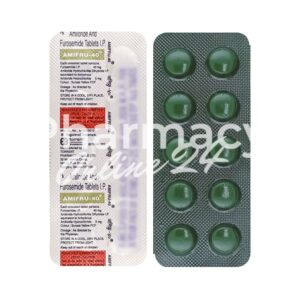
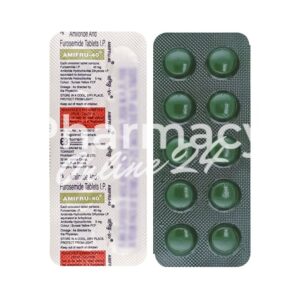
- Furosemide at Pharmacy Online 24 is supplied as 40mg tablets (60 to 360 per pack) and 100mg tablets (60 to 360), and UK delivery takes 9–21 days.
- By acting on the loop of Henle, this diuretic makes the kidneys release more salt and water, which clears the swollen ankles and breathlessness of heart failure, liver cirrhosis and renal disease.
- Of the two, 40mg is a UK-licensed strength and 100mg is not; a daily weigh-in at a consistent time helps you spot returning fluid early.
- Low potassium raises the toxicity of digoxin, furosemide can push lithium levels up, and certain antibiotics add to the chance of hearing problems, so share your whole medicine list with the prescriber.
- Vomiting or diarrhoea can leave you dehydrated, in which case ask whether to pause a dose; skin may burn more easily in sun and gout can flare. Furosemide is a POM in the UK.
Basic furosemide information
- INN (international nonproprietary name): Furosemide
- Brand names available in the United Kingdom: Frusemide, Lasix, generic furosemide
- ATC code: C03CA01
- Forms and dosages: Tablets 20 mg and 40 mg; oral solution 40 mg/5 ml; solution for injection 20 mg/2 ml and 50 mg/5 ml
- Manufacturers in the United Kingdom: Teva, Zentiva, Ratiopharm, Wockhardt, Zydus and other licensed suppliers
- Registration status in the United Kingdom: MHRA authorised; prescription only
- OTC / Rx classification: Prescription-only medicine (POM)
Furosemide at a glance
Looking for furosemide usually means one thing: a doctor has identified extra fluid, raised blood pressure, or a situation where the body needs to get rid of salt and water quickly.
As a loop diuretic, it is used to reduce fluid retention and ease symptoms linked to oedema, heart failure, kidney disease, liver disease, high blood pressure, and sometimes acute breathlessness.
In the UK, people may see it written as furosemide or Frusemide, which is the older UK spelling.
Patients usually receive it through an NHS or private prescription, with pharmacist counselling on how to take it safely and at the right time of day.
What it does: helps the body pass more urine to remove excess salt and water.
Who it is for: patients with fluid retention, oedema, hypertension, or urgent hospital-level fluid overload.
How it is supplied: tablets, oral solutions, and injectable forms, depending on the setting and the prescription.
Brand names and strengths
The appearance of the pack can vary by manufacturer, but the medicine remains the same where the strength and form match the prescription.
Commonly recognised names include Lasix, Frusemide and furosemide from licensed generic manufacturers such as Teva, Zentiva and Wockhardt.
| Brand name | Form | Strength |
|---|---|---|
| Lasix | Tablets, injection | 20 mg, 40 mg |
| Frusemide / furosemide (generic) | Tablets, oral solution, injection | Variable |
Typical dosage forms include tablets, oral solution and injection ampoules, so the pack you receive depends on the prescription and the intended use.
How furosemide works
People often ask why furosemide makes them keep running to the loo.
The answer lies in the kidneys, where this high-ceiling loop diuretic acts to stop the body reabsorbing as much salt and water.
Its ATC code is C03CA01, which places it in the cardiovascular system as a diuretic specifically used for strong fluid removal.
By increasing urine output, it helps reduce swelling, ease pressure on the circulation, and lower the strain caused by excess fluid in the body.
That is why pharmacists usually stress morning dosing for tablets, because a late dose can disrupt work, travel, and sleep.
- Loop diuretic
- A medicine that acts in the kidney to increase the loss of salt and water.
- Diuresis
- The process of passing more urine than usual.
- Oedema
- Swelling caused by excess fluid in the tissues.
When furosemide is commonly prescribed
In everyday practice, furosemide is most often used for fluid overload, heart failure oedema, hypertension treatment, and hospital management of sudden breathlessness linked with pulmonary oedema.
- Fluid overload and swelling: often seen in heart failure, liver disease, and kidney disease, where patients may notice ankle swelling, puffiness, weight gain, or tight shoes.
- High blood pressure: sometimes used when fluid management forms part of the treatment plan, especially if a patient also has oedema.
- Emergency hospital use: acute pulmonary oedema may be treated with IV furosemide, often 20–40 mg and repeated in steps until a diuretic response is achieved.
A person may start it after a swollen-leg flare, or after waking breathless and being told that extra fluid is building up around the lungs.
How to take furosemide safely in real life
Most people do best with a simple routine, because consistency matters with oral dosing and missed doses can quickly upset fluid balance.
- Take tablets in the morning wherever possible, or split doses early in the day if prescribed twice daily.
- Plan bathroom access before meetings, school runs, commutes, or long car journeys.
- Keep to the same daily routine unless the prescriber has advised a change.
- If a dose is missed, take it when remembered unless it is close to the next dose; never double up.
Adults with oedema often start at 20–80 mg orally once or twice daily, while hypertension dosing is commonly 20–40 mg twice daily.
If the medicine is being used for resistant oedema, small changes in timing can make a big difference to comfort and routine.
Dose ranges, adjustments and who needs extra monitoring
Dose depends on the indication, age, kidney function, and how well the body responds, so monitoring is not optional in long-term use.
| Group or situation | Typical dose range | Monitoring notes |
|---|---|---|
| Adults with oedema | 20–80 mg orally once or twice daily | Dose may be titrated upwards, with high doses used in resistant cases under supervision |
| Adults with hypertension | 20–40 mg twice daily | Check response and blood pressure regularly |
| Acute pulmonary oedema | 20–40 mg IV, repeat as needed | Hospital use with close observation |
| Children with oedema | 1–2 mg/kg/dose, up to 6 mg/kg/day | Individual titration is needed |
| Older adults | Start at the lowest possible dose | Higher sensitivity to electrolyte imbalance |
| Renal or liver impairment | Higher or IV dosing may be required | Frequent electrolyte and kidney function checks are essential |
When renal impairment is present, the dose may need adjusting upwards, but that only makes sense with monitoring because ototoxicity and dehydration risks rise.
For severe hepatic impairment, extra care is needed because encephalopathy can be precipitated.
Long-term use is often open-ended in heart failure or cirrhosis, while acute treatment may last just one or several days.
Side effects patients notice first
The most noticeable effect is usually simple: more urine.
For many patients that is the desired outcome, but it can also come with thirst, dizziness, headache, muscle cramps, and weakness.
Common: increased urination, thirst, dizziness, headache, postural hypotension, muscle cramps and weakness.
Electrolyte-related: hypokalaemia, hyponatraemia and hypomagnesaemia can occur and may need blood tests.
Urgent advice needed: severe weakness, fainting, confusion, or very low urine output.
Dehydration can creep up quickly if fluid losses are high, especially in warm weather or during illness.
Some patients also report mild gastrointestinal upset, rash, photosensitivity, or a temporary rise in creatinine and urea.
If low potassium is suspected because of muscle cramps or palpitations, the prescriber or pharmacist should be contacted promptly.
Who should avoid it or use it with caution
Before starting treatment, it is important to check whether furosemide is a good fit for the patient’s history.
Some conditions mean the medicine should not be used, while others call for extra caution and closer follow-up.
- Do not use
- Anuria, hypersensitivity to furosemide or sulfonamides, severe electrolyte depletion, and hepatic coma or pre-coma.
- Use with caution
- Diabetes, gout, prostatic enlargement with urinary retention, dehydration, low blood pressure, and ototoxic risk with high IV doses.
- Pregnancy and breastfeeding
- Pregnancy only if clearly necessary, and breastfeeding is a relative caution rather than a simple yes-or-no issue.
People with sulfonamide allergy should mention this to the pharmacist, as should anyone who has had severe dizziness or fainting from diuretics before.
Older adults and anyone with anuric renal failure need especially careful review, because fluid shifts can become unsafe quickly.
Interactions, combinations and medicines to mention to the pharmacist
It is easy to forget a painkiller, supplement, or occasional medicine, but those details matter with furosemide.
The drug can potentiate antihypertensives, and it may interact with NSAIDs and aminoglycosides, so the full medicine list should always be checked.
| Medicine or group | Risk | Advice |
|---|---|---|
| Antihypertensives | Blood pressure may fall further | Monitor for dizziness and low blood pressure |
| NSAIDs | May reduce diuretic effect and strain the kidneys | Tell the pharmacist about ibuprofen, naproxen or similar pain relief |
| Aminoglycosides | Higher ototoxic risk | Use only with clinical oversight |
| Other diuretics | Greater dehydration and electrolyte loss | Check dose and monitoring plan carefully |
| Lithium | Interaction risk in some patients | Disclose all current prescriptions |
Non-prescription pain relief, supplements, alcohol use, dehydration, and recent illness should all be mentioned during pharmacist consultation.
That includes stomach bugs, fever, and anything that has reduced fluid intake, because the medicine can become harder to tolerate when the body is already depleted.
Storage, travel and handling for home use
Storing furosemide correctly is simple, but it matters.
Tablets and vials should be kept at room temperature, ideally 15–25°C, and protected from light and moisture.
Injectables must not be frozen, and all packaging should be kept in the original blister pack or container when possible.
For travel medicine planning, keep it away from heat in a hand luggage pouch or a secure home cupboard, and always out of reach of children.
If tablets are expired, blister packs are damaged, or oral solution looks discoloured, the product should be checked before use.
Legal status and availability in the UK
Furosemide is a prescription-only medicine (POM) in the UK.
In our online pharmacy, furosemide is available without a prescription, with discreet delivery to the United Kingdom in 9–21 days.
Why packs may look different
Several licensed generic manufacturers supply the market, so a UK patient might receive a different box design on a repeat order. The active ingredient and strength remain the key clinical points, and the label on the pack may change even when the treatment does not.
Overdose and long-term monitoring
Overdose can cause profound diuresis, dehydration, hypotension, hypovolaemia and electrolyte imbalance, so emergency medical attention is needed straight away.
Problem: severe thirst, fainting, confusion or collapse.
Action: seek emergency help and correct fluid and electrolytes under medical supervision.
Who to contact: urgent care, emergency services, or the prescribing team depending on severity.
For people on long-term treatment, renal function, blood pressure and electrolytes should be monitored regularly, and hearing concerns should also be taken seriously because ototoxicity is a recognised risk with higher doses, especially intravenously.
Delivery across the United Kingdom
| City | Region | Delivery time |
|---|---|---|
| London | England | 9–21 days |
| Birmingham | England | 9–21 days |
| Manchester | England | 9–21 days |
| Glasgow | Scotland | 9–21 days |
| Edinburgh | Scotland | 9–21 days |
| Leeds | England | 9–21 days |
| Liverpool | England | 9–21 days |
| Newcastle upon Tyne | England | 9–21 days |
| Sheffield | England | 9–21 days |
| Bristol | England | 9–21 days |
| Cardiff | Wales | 9–21 days |
| Belfast | Northern Ireland | 9–21 days |
| Nottingham | England | 9–21 days |
| Aberdeen | Scotland | 9–21 days |