
Hypertension
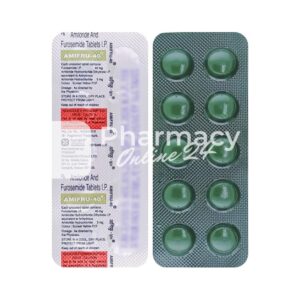
Amiloride
from
Amlodipine
from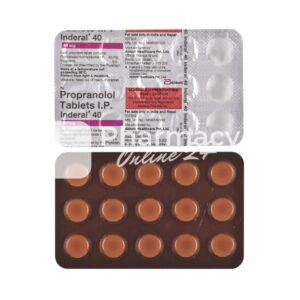
Bedranol
from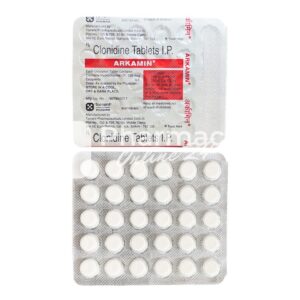
Clonidine
from
Co-amilofruse
from
Florinef
from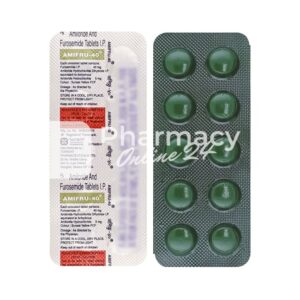
Lasix
from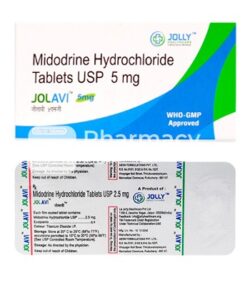
Midodrine
from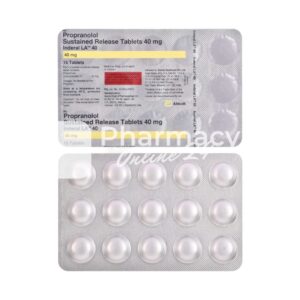
Propranolol
from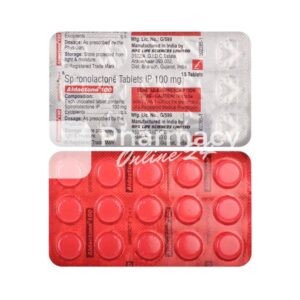
Spironolactone
from
Telmisartan
fromUnderstanding High Blood Pressure
High blood pressure, or hypertension, is a common condition affecting millions of people in the United Kingdom. It occurs when the force of blood pushing against artery walls is consistently too high, typically measured at 140/90 mmHg or above. This condition often develops gradually and may go unnoticed for years without regular monitoring.
The causes of hypertension vary widely, including genetic factors, lifestyle choices, age, and underlying health conditions. Risk factors such as obesity, excessive salt intake, stress, alcohol consumption, and lack of physical activity significantly contribute to developing high blood pressure. Understanding these factors is crucial for effective management and prevention.
Hypertension is often called a silent killer because many people experience no symptoms whilst their blood pressure remains dangerously elevated. Some individuals may notice headaches, shortness of breath, or nosebleeds, but these signs typically appear only when the condition becomes severe. Regular blood pressure checks are essential for early detection and intervention.
Health Complications and Risks
Untreated hypertension poses serious risks to overall health and can lead to life-threatening complications. The constant pressure damages blood vessels and organs over time, increasing the risk of heart disease, stroke, and kidney failure. These complications can significantly impact quality of life and require intensive medical management.
Cardiovascular complications represent the most common serious consequence of prolonged high blood pressure. The heart must work harder to pump blood against increased resistance, causing the left ventricle to thicken in a condition called left ventricular hypertrophy. This weakening of the heart muscle can eventually lead to heart failure and reduced exercise tolerance.
Stroke risk increases substantially with hypertension as weakened arteries in the brain may rupture or become blocked. Additionally, high blood pressure contributes to kidney disease by damaging the delicate blood vessels within the kidneys responsible for filtering waste. Vision problems, including hypertensive retinopathy, can also develop when blood pressure affects blood vessels in the eyes.
Lifestyle Modifications and Prevention
Implementing lifestyle changes forms the foundation of hypertension management and can significantly reduce blood pressure without medication. A balanced diet rich in fruits, vegetables, whole grains, and lean proteins helps maintain healthy blood pressure levels. The DASH diet, specifically designed to lower blood pressure, emphasises potassium-rich foods and limits sodium intake.
Regular physical activity is vital for blood pressure control and cardiovascular health. Aim for at least 150 minutes of moderate-intensity exercise weekly, including activities such as brisk walking, cycling, or swimming. Strength training exercises twice weekly further benefit overall cardiovascular fitness and help maintain a healthy weight.
Stress management techniques including meditation, yoga, and deep breathing exercises can positively impact blood pressure readings. Limiting alcohol consumption to recommended levels, typically no more than 14 units weekly for adults, helps prevent blood pressure elevation. Maintaining a healthy weight through balanced nutrition and regular exercise reduces the strain on the cardiovascular system and improves blood pressure control.
Available Medications in the United Kingdom
Several classes of antihypertensive medications are available in the UK, each working through different mechanisms to lower blood pressure effectively. The choice of medication depends on individual patient factors, comorbidities, and response to treatment.
- ACE inhibitors such as lisinopril and enalapril are commonly prescribed first-line medications that widen blood vessels and reduce the workload on the heart
- Angiotensin II receptor blockers, including losartan and valsartan, work similarly but suit patients who experience side effects from ACE inhibitors and provide kidney protection
- Beta-blockers like atenolol and bisoprolol slow heart rate and reduce the force of heart contractions, lowering blood pressure and improving heart function
- Calcium channel blockers such as amlodipine and diltiazem relax blood vessel muscles and improve blood flow
- Diuretics including furosemide and bendroflumethiazide increase sodium and water excretion through urine, reducing blood volume and pressure
Combination therapies frequently involve two or more medications from different classes to achieve optimal blood pressure control. Many patients require dual therapy, combining an ACE inhibitor or ARB with a calcium channel blocker or diuretic. Triple therapy may be necessary for resistant hypertension when standard combinations prove insufficient.
Monitoring and Managing Your Condition
Regular blood pressure monitoring is essential for effective hypertension management and ensures medications remain effective. Home blood pressure monitors allow patients to track readings throughout the day and identify patterns. Keeping detailed records helps healthcare providers assess treatment effectiveness and make necessary medication adjustments.
Annual health reviews with your GP provide opportunities to discuss blood pressure control, medication side effects, and lifestyle modifications. These appointments may include tests measuring kidney function, cholesterol levels, and glucose metabolism, as hypertension often coexists with other cardiovascular risk factors. Your healthcare provider can personalise your treatment plan based on individual health status and response to current medications.
Medication adherence is crucial for maintaining stable blood pressure and preventing complications. Taking medications exactly as prescribed, even when feeling well, is vital since hypertension typically produces no symptoms. Setting reminders, using pill organisers, and attending regular appointments help ensure consistent medication use and optimal disease management.
When to Seek Medical Advice
Certain symptoms warrant immediate medical attention, including severe headaches, chest pain, shortness of breath, or blurred vision, which may indicate a hypertensive crisis requiring emergency treatment. Blood pressure readings consistently exceeding 180/120 mmHg represent dangerous levels requiring urgent intervention.
Initial diagnosis of high blood pressure should prompt consultation with your GP, who can assess your individual risk profile and recommend appropriate treatment options. If you experience side effects from prescribed medications, contact your healthcare provider before stopping treatment, as alternatives may be available. Persistent difficulties in achieving blood pressure targets despite medication and lifestyle changes require specialist evaluation.
Starting any new medications, supplements, or significantly changing your diet should involve discussion with your GP or pharmacist to prevent interactions with antihypertensive medications. Regular follow-up appointments help monitor treatment effectiveness and make adjustments ensuring optimal blood pressure control and reducing long-term health risks.