Nebivolol
In stock
2,5mg · 5mg · 10mg
from 28,48 £
In brief
- Nebivolol is a beta-blocker that lowers blood pressure and is also used in stable heart failure in older patients.
- Strengths of 2.5, 5 and 10 mg are offered, with 30 to 360 tablets in most packs (30 to 180 for 10 mg).
- Nebivolol is supplied on prescription in the UK, with the dose left to the doctor or prescriber.
Nebivolol: a heart-selective beta-blocker with a vasodilating effect
Nebivolol is a beta-blocker with an extra property: it blocks beta-1 receptors in the heart, slowing the pulse, and it also helps blood vessels relax through nitric oxide. The UK SmPC lists essential hypertension, and stable mild to moderate chronic heart failure as an addition to standard treatment in patients aged 70 or over. Nebilet is the well-known UK brand, and several generics are licensed too. Like other beta-blockers it controls the condition and is not a cure.
Three strengths and several pack sizes
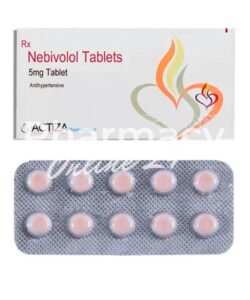
Packs of 30, 60, 90, 120, 180 or 360 exist for the 2.5 mg and 5 mg tablets, while 10 mg stops at 180. Such a range lets a prescriber adjust the dose in small steps, particularly for heart failure, where treatment is built up slowly and only once the condition is stable. Since the stock is imported, read the strength printed on the strip before starting a new box, and keep the tablets dry.
Dose and timing in the SmPC
For high blood pressure the usual dose is 5 mg once a day, at about the same time. Those over 65, and patients with kidney impairment, begin at 2.5 mg. The blood-pressure effect appears within one to two weeks and may need up to four weeks for its full result. In heart failure the dose is raised slowly, from 1.25 mg through 2.5 and 5 mg to 10 mg, with one to two weeks between steps and close supervision. The tablets may be taken with food.
Heart, lung and circulation problems that rule it out
The SmPC excludes impaired liver function, acute heart failure or a flare of it needing intravenous treatment, cardiogenic shock, sick sinus syndrome, second or third degree heart block, a history of bronchospasm or asthma, untreated phaeochromocytoma, metabolic acidosis, a resting pulse below 60, systolic pressure below 90 mmHg and severe peripheral circulation problems. Diabetes needs particular attention because a beta-blocker can mask the warning signs of low blood sugar.
Interactions to know about
Class I antiarrhythmic drugs, verapamil and diltiazem, clonidine and moxonidine can depress the heart or lower blood pressure too much when added to nebivolol. Medicines that block CYP2D6, such as paroxetine and fluoxetine, raise nebivolol levels, and tricyclic antidepressants, barbiturates and phenothiazines may add to the blood pressure effect. Always tell the prescriber about every medicine. Nebivolol works only when taken regularly, because skipped doses let blood pressure drift back up, and a missed dose should not be doubled. The SmPC advises against use in pregnancy unless clearly necessary, and against breastfeeding while taking it.
Reactions to expect and warning signs
In hypertension, headache, dizziness, tiredness, tingling or numbness, diarrhoea, constipation and breathlessness are among the commoner reactions. In heart failure a slow pulse, dizziness on standing, swollen lower legs and worsening of the heart failure itself can occur. Tell any doctor or anaesthetist treating you for another problem that you take a beta-blocker, particularly before an operation. Stopping suddenly should be avoided. Report fainting, severe breathlessness or swollen ankles promptly. Your doctor or prescriber decides whether Nebivolol is the right treatment.