Atenolol
In stock
25mg · 50mg · 100mg
from 17,85 £
In brief
- Atenolol lowers blood pressure and steadies a racing heart, so it is prescribed for hypertension, angina and certain rhythm problems.
- Strengths of 25, 50 and 100 mg are listed in packs from 14 up to 350 tablets, and the 50 mg also has a pack of 98.
- Atenolol is prescription-only in the UK, and your doctor or prescriber decides the dose.
Atenolol: easing the workload of the heart
Atenolol belongs to the beta-blockers and acts mainly on the heart. By blocking beta-1 receptors it slows the heart rate and lowers the force of each beat, so the heart needs less oxygen and pushes against less pressure. The UK SmPC names high blood pressure, angina, certain disturbances of heart rhythm and early treatment after a heart attack. The tablets control these conditions rather than remove them, which is why they are normally taken long term. Tenormin is the original brand in the UK, and generic atenolol tablets are widely prescribed as well.
Three strengths, several pack counts
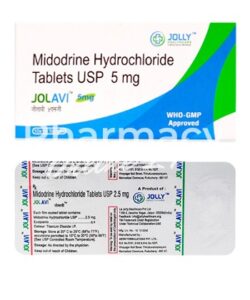
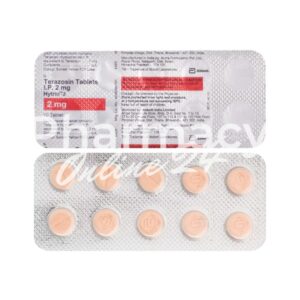
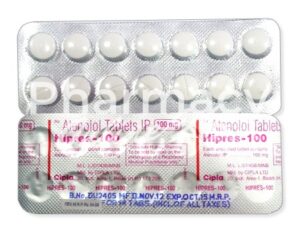
Three tablet strengths appear: 25, 50 and 100 mg. Whatever the strength, packs hold 14, 28, 56, 84, 140 or 350 tablets, and the 50 mg adds a 98-tablet pack. Because stock is imported, the carton and strip can be laid out for a different country. Look at the foil for the strength and the name atenolol before you open a new pack, and keep the strip out of the reach of children and away from damp.
Usual dosing under the SmPC
In high blood pressure the usual dose is 100 mg once a day, though 50 mg may be enough. For angina the options are 100 mg once daily or 50 mg twice daily, and for rhythm disturbances the range is 50 to 100 mg. Kidney function matters, because atenolol is cleared by the kidneys: with creatinine clearance of 15 to 35 ml/min the daily dose should not exceed 50 mg, and below 15 ml/min it is 25 mg a day or 50 mg every other day. No dose has been set for children. If you miss a dose, take it as soon as you remember, unless the next dose is due.
Do not stop suddenly
Abrupt withdrawal of a beta-blocker can bring on rebound problems, with a faster heartbeat, worse angina and, in rare cases, a heart attack. The SmPC advises tapering the dose over seven to fourteen days under medical guidance. This is especially important for people with ischaemic heart disease. If a tablet supply is running low, arrange a repeat early instead of going without. Anyone who checks blood pressure at home can note the readings and bring them to appointments.
Conditions that close the door on it
The SmPC rules it out in untreated heart failure, a very slow pulse, second or third degree heart block, sick sinus syndrome, cardiogenic shock, severe peripheral arterial disease, metabolic acidosis, untreated phaeochromocytoma, and low blood pressure. People with asthma or a history of wheezing should be especially careful, as beta-blockers can trigger bronchospasm. Diabetes needs attention too, since the warning signs of a low blood sugar, such as a fast pulse, may be masked. Mention psoriasis, Raynaud’s phenomenon and any thyroid problem to the prescriber.
Other medicines, and what you may notice
Add verapamil or diltiazem to atenolol and the heart may slow dangerously. Clonidine must not be withdrawn until atenolol has been stopped for several days. Other antiarrhythmics, for example disopyramide, amiodarone and digoxin, call for care, and NSAIDs can weaken the blood pressure effect. Common reactions include cold hands and feet, tiredness, a slow pulse and gastrointestinal disturbances; sleep disturbances are uncommon and dizziness is rare. Report fainting, breathlessness or swelling of the ankles to your doctor. Tell the prescriber too if you are pregnant or planning a pregnancy, because that calls for careful weighing of benefit and risk.