Bupropion
In brief
- In our pharmacy, you can buy bupropion without a prescription, with discreet delivery available.
- Bupropion is used to treat major depressive disorder and to help with smoking cessation. It works as a norepinephrine-dopamine reuptake inhibitor (NDRI), helping to increase the levels of noradrenaline and dopamine in the brain.
- The usual dose depends on the indication: for depression, 150 mg once daily initially, increasing to 300 mg daily; for smoking cessation, 150 mg once daily for 3 days, then 150 mg twice daily.
- The form of administration is oral prolonged-release tablets (Zyban 150 mg).
- The effect may begin within 1–2 weeks for mood symptoms, although the full antidepressant benefit can take several weeks; for smoking cessation, it is usually started 1–2 weeks before the quit date.
- The duration of action depends on the formulation: immediate-release tablets act for a shorter period, while SR and XL/ER forms provide coverage for around 12–24 hours.
- Do not drink alcohol while taking bupropion, as alcohol can increase the risk of seizures and other adverse effects, especially with heavy use or abrupt withdrawal.
- The most common side effects are insomnia, dry mouth, dizziness, anxiety or agitation, nausea, sweating, tremor, and sometimes weight loss.
- Would you like to try bupropion without a prescription?
Basic bupropion information
- INN (international nonproprietary name): Bupropion (amfebutamone).
- Brand names available in the United Kingdom: Zyban.
- ATC code: N06AX12.
- Forms and dosages: prolonged-release tablets 150 mg (Zyban).
- Manufacturers in the United Kingdom: GlaxoSmithKline.
- Registration status in the United Kingdom: licensed by the MHRA (Zyban, smoking cessation); prescription-only medicine (POM).
- OTC / Rx classification: Prescription-only medicine (POM).
- Storage: Room temperature, 15–30°C, protected from moisture and light, and kept out of reach of children.
Bupropion at a glance
Bupropion is an atypical antidepressant (a noradrenaline-dopamine reuptake inhibitor) that is also used to help people stop smoking. In the UK it is available as Zyban prolonged-release tablets for smoking cessation. Compared with SSRIs and SNRIs, it is less often associated with sexual side effects or weight gain.
What bupropion is: INN, ATC code and drug class
Bupropion is the International Nonproprietary Name, with amfebutamone appearing in some regulatory settings.
It sits in the ATC group N06AX12, under other antidepressants and psychoanaleptics.
Clinically, it is best known as a noradrenaline-dopamine reuptake inhibitor, so it works differently from SSRIs and SNRIs.
That difference matters in practice because some patients prefer an atypical antidepressant that is less associated with sexual side effects or weight gain.
- INN
- Bupropion, also known as amfebutamone.
- ATC code
- N06AX12.
- Class
- Other antidepressant.
- Mechanism
- NDRI antidepressant.
How it differs from SSRIs and SNRIs
Compared with SSRI and SNRI medicines, bupropion is often discussed when a patient wants a different mechanism rather than a simple dose change.
That is especially relevant when a person has had trouble with side effects on earlier treatment and a prescriber is considering switching.
Brand names and pack formats
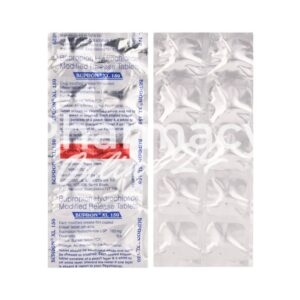
In the UK bupropion is available as Zyban (GlaxoSmithKline), a 150 mg prolonged-release tablet supplied in blister packs.
The release label matters, because SR, XL and XR products are not interchangeable without checking the prescription.
Strengths and release types
Zyban is supplied as a 150 mg prolonged-release tablet. Immediate-release, sustained-release and extended-release products are not interchangeable, so the prescribed product and strength should always be checked.
What bupropion is used for
In the UK, Zyban (bupropion) is licensed for smoking cessation. Bupropion is also used as an antidepressant.
- Smoking cessation, especially as Zyban.
- Major depressive disorder (used as an antidepressant).
- Not a standard indication: anxiety disorders.
For smoking, Zyban treatment is usually started before the quit date, then continued as a fixed course.
Depression treatment
For major depressive disorder, the medicine is used as an antidepressant and titrated cautiously.
Smoking cessation
For quitting smoking, the course is typically time-limited and built around the quit date.
What it is not for
It is not a general anxiety medicine, and it is not first-line for every patient with low mood.
How to take bupropion: typical dosing and titration
Bupropion is not started at full strength for most people. There are two main dosing patterns: one for depression and one for smoking cessation.
| Condition | Starting dose | Target dose | Usual duration |
|---|---|---|---|
| Major depressive disorder | 150 mg daily in the morning | 300 mg daily after 3 or more days | At least several months |
| Smoking cessation | 150 mg daily for 3 days | 150 mg twice daily | 7 to 9 weeks |
Depression dosing
For depression, treatment commonly starts at 150 mg once daily, usually in the morning, then increases by 150 mg after 3 or more days if needed.
The target is often 300 mg daily, with SR sometimes divided and XL usually given once daily.
Smoking cessation dosing
For smoking cessation, the standard pattern is 150 mg daily for 3 days, then 150 mg twice daily.
This is usually started 1 to 2 weeks before the quit date, which helps patients settle into treatment before stopping cigarettes.
Timing tips
Morning dosing helps reduce insomnia, and tablets should be swallowed whole.
Spacing doses correctly matters with SR products, and doubling up is not advised if a dose is missed.
Who should not take it: contraindications and high-risk groups
Bupropion can lower the seizure threshold, so these checks are important.
- Absolute contraindications
- Seizure disorder, a history of seizure, bulimia or anorexia nervosa, abrupt withdrawal from alcohol, benzodiazepines or barbiturates, current or recent MAOI use within 14 days, and allergy to bupropion or excipients.
- Relative contraindications
- Head trauma, CNS tumour, cardiovascular disease, hypertension, and medicines that lower seizure threshold.
- Groups needing caution
- Older adults, people with renal or hepatic impairment, and patients already taking antipsychotics, tramadol or stimulants.
If there is any history of seizures, eating disorders, heavy alcohol use, or recent medication changes, speak to a pharmacist or prescriber before starting treatment.
Common side effects
With bupropion, the common reports are usually familiar and often manageable.
| Symptom | What patients often notice | Practical tip |
|---|---|---|
| Insomnia | Very common, especially at the start | Take in the morning |
| Dry mouth | Common | Keep fluids nearby |
| Dizziness | Often transient | Stand up slowly |
| Anxiety or agitation | May occur at onset | Review caffeine and timing |
| Sweating | Mild and dose-related | Dress lightly if needed |
| Nausea or GI upset | May settle with time | Take with food if advised |
Weight and sexual function
Bupropion is less likely than many SSRIs to cause sexual side effects or weight gain, but that does not make it right for everyone.
How side effects change over time
Early side effects often improve after the first few days or weeks, but persistent agitation, insomnia or nausea should be reviewed.
Practical coping tips
Cutting back on late caffeine, keeping hydration steady and protecting sleep routines can make the first week easier.
Serious risks, overdose and when to seek urgent help
Emergency warning: Overdose may cause seizures, hallucinations, arrhythmias and loss of consciousness.
Act immediately: Seek emergency care if overdose is suspected or if severe neurological symptoms appear.
Those risks are why dose limits matter and why SR and XL products should not be swapped casually.
If an overdose is possible, do not try to manage it at home.
Suspected side effects can be reported through the MHRA Yellow Card scheme.
Interactions, alcohol and medicines that need caution
Drug interactions are an important part of safe use, especially when a patient also uses medicines for pain, mental health or nicotine dependence.
Tell your pharmacist or prescriber about alcohol, nicotine products and over-the-counter remedies.
| Interaction | Risk | Action |
|---|---|---|
| MAOIs | Contraindicated within 14 days | Do not combine |
| Tramadol or antipsychotics | May lower seizure threshold | Check before use |
| Alcohol or withdrawal states | Higher seizure risk | Avoid abrupt changes |
| Stimulants, caffeine, nicotine products | Can increase activation | Use cautiously |
Counselling points
Patients should mention herbal products, cold remedies and any medicines they buy without prescription.
For people already using nicotine replacement therapy, a prescriber or pharmacist should check the full plan before treatment starts.
Special populations and dose adjustments
Some patients need a lower starting dose or longer interval between doses.
This is especially true when kidney or liver function is reduced.
| Group | Advice | Practical note |
|---|---|---|
| Renal impairment | Use lower doses and increase intervals | Monitor closely |
| Hepatic impairment | Consider half the usual dose; do not exceed 150 mg daily for SR/XL in moderate or severe disease | Extra caution needed |
| Older adults | Start at the lower end of the range | Sensitivity may be higher |
| Children and adolescents | Not approved and not recommended | Seizure risk is a concern |
Renal and hepatic impairment
In renal impairment, lower doses and longer spacing are advised.
In moderate to severe hepatic impairment, half the usual dose is generally used, and SR or XL should not exceed 150 mg daily.
Older adults
Older patients may be more sensitive to adverse effects, so careful monitoring is sensible.
Children and adolescents
It is not approved for paediatric depression and is not recommended as a routine choice in this group.
How bupropion compares with common alternatives
Many patients are not just choosing a medicine; they are choosing between very different treatment experiences.
| Comparison | Bupropion | Common alternative |
|---|---|---|
| Vs SSRIs and SNRIs | Less associated with sexual side effects or weight gain | Often chosen first, but can cause those effects |
| Vs varenicline | Used for smoking cessation as Zyban | Another smoking cessation option |
| Vs nicotine replacement therapy | Tablet-based option | Patches, gums and other forms |
| Vs other atypical antidepressants | Different mechanism | May be more sedating or more activating |
When a switch may be considered
A switch is often considered when a person has resistance to therapy, unusual side effects, or needs a different mechanism altogether.
Clinicians may compare bupropion with mirtazapine, trazodone, sertraline, fluoxetine, venlafaxine and duloxetine.
Patient preference factors
People often choose based on prior experience, convenience, and whether they prefer once-daily dosing.
Legal status and availability in the UK
Bupropion (Zyban) is a prescription-only medicine (POM) in the UK.
In our online pharmacy, bupropion is available without a prescription, with discreet delivery to the United Kingdom in 9–21 days.
Storage, missed doses and disposal
- Storage: Keep at 15–30°C, away from moisture and light, and out of reach of children.
- Missed dose: Take it when remembered unless the next dose is near, then skip the missed one.
- Disposal: Return unwanted tablets to a pharmacy take-back scheme; do not flush them away.
Delivery across the United Kingdom
| City | Region | Delivery time |
|---|---|---|
| London | England | 9–21 days |
| Birmingham | England | 9–21 days |
| Manchester | England | 9–21 days |
| Leeds | England | 9–21 days |
| Liverpool | England | 9–21 days |
| Glasgow | Scotland | 9–21 days |
| Edinburgh | Scotland | 9–21 days |
| Cardiff | Wales | 9–21 days |
| Belfast | Northern Ireland | 9–21 days |
| Bristol | England | 9–21 days |
| Sheffield | England | 9–21 days |
| Newcastle upon Tyne | England | 9–21 days |
| Nottingham | England | 9–21 days |
| Leicester | England | 9–21 days |