
Dostinex
Dostinex
- In our pharmacy, you can buy dostinex without a prescription, with delivery in 5–14 days throughout United Kingdom. Discreet and anonymous packaging. (Note: Dostinex is licensed as prescription-only in most countries; check local regulations.)
- Dostinex (cabergoline) is used to treat hyperprolactinaemia, prolactin-secreting pituitary adenomas and related menstrual/fertility disorders; it is a dopamine D2 receptor agonist that inhibits prolactin secretion from the anterior pituitary.
- Usual dosing starts at 0.5 mg per week (single or divided dose), titrating by 0.5 mg/week as needed; typical maintenance up to 1 mg twice weekly, with a common maximum of about 2 mg/week for hyperprolactinaemia (higher doses used rarely).
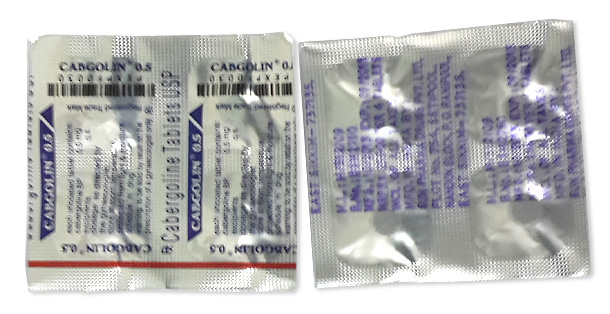
- Form of administration: oral tablet (commonly 0.5 mg tablets; generics available in 0.25 mg and 1 mg in some regions), supplied in bottles or blister packs.
- Onset time: serum prolactin levels commonly begin to fall within 24–48 hours, while symptomatic improvement may take several days to weeks.
- Duration of action: cabergoline has a long duration of action (half-life of several days), allowing weekly dosing with therapeutic effects that persist for several days.
- Alcohol warning: avoid alcohol while taking dostinex, as it can worsen dizziness, fainting (orthostatic hypotension), sedation and other side effects.
- The most common side effect is nausea.
- Would you like to try “dostinex” without a prescription?
Dostinex







Basic Dostinex Information
- INN (International Nonproprietary Name): Cabergoline
- Brand Names Available In United Kingdom: Dostinex; Cabaser; generics labelled as cabergoline
- ATC Code: G02CB03 (Prolactin inhibitors)
- Forms & Dosages: Oral tablets commonly 0.5 mg in bottles or blister packs (usually 2, 8 or 30 tablets); generics may be available in 0.25 mg and 1 mg in some regions
- Manufacturers In United Kingdom: Pfizer (developer and trademark holder of Dostinex) and multiple generic manufacturers supplying cabergoline
- Registration Status In United Kingdom: Approved and classified as prescription only (Rx) by UK regulators
- OTC / Rx Classification: Prescription Only Medicine (Rx) in the UK and most markets
Market Realities & Patient Experiences
How do people actually get Dostinex in the UK and what do they worry about?
Patients obtain dostinex by prescription through NHS GPs, specialist endocrinologists and private prescribers, and it is supplied by high‑street chains such as Boots, LloydsPharmacy and Superdrug as well as independent and regulated online pharmacies.
Electronic prescriptions and home delivery are increasingly common, though local formularies and dispensing choices vary by region.
Prescription charges differ across the UK; prescriptions are free for eligible patients in Scotland, Wales and Northern Ireland, so cost and access vary by area.
Typical patient journeys start with a GP referral for raised prolactin or symptoms such as irregular periods or galactorrhoea and lead to an NHS or private prescription for cabergoline.
Many patients report rapid symptom relief — improved menstrual regularity and reduced galactorrhoea within weeks — but early nausea or dizziness is common and causes concern.
Patients often ask about long‑term risks, especially cardiac valve effects and psychiatric changes, and expect clear monitoring plans from prescribers and pharmacists.
Realistic timelines: biochemical normalisation can take several weeks; symptomatic improvement may be noticed earlier but prolactin checks are needed until stable.
Pharmacist triage points include screening for contraindications, advising on nausea and orthostatic precautions, and advising GP or endocrine referral for inadequate response, very high prolactin or complex fertility issues.
Initial Counselling Checklist:
- Start Low: explain starting dose and gradual titration.
- Take With Food: to reduce nausea where needed.
- Orthostatic Precautions: stand up slowly and avoid heavy machinery until settled.
Product Overview & Pack Contents
Active Ingredient And Brands
What is in the tablet and who makes it?
The active ingredient is cabergoline (INN) and the most common brand is Dostinex, typically supplied as 0.5 mg oral tablets by Pfizer and by multiple generic manufacturers worldwide.
Cabaser is another branded cabergoline product used in Europe, particularly at higher doses for Parkinson’s disease; generic cabergoline is widely available under the INN.
ATC classification is G02CB03 (prolactin inhibitors), which helps pharmacists and clinicians locate regulatory and formulary information.
Formulations And Typical Packaging
Which strengths and pack sizes are commonly seen in UK practice?
Most pharmacy stock is dostinex 0.5 mg tablets available in bottles or blister packs commonly in 2, 8 or 30 tablets depending on the supplier and prescribing needs.
Some generics exist in 0.25 mg or 1 mg strengths in a few markets, though these are rarer in routine UK practice.
Pharmacy product pages should show a clear image of the selected pack, regulatory icons indicating Rx‑only status and storage symbols.
Product Facts Table (for product pages): INN: cabergoline; ATC: G02CB03; Common Strength: 0.5 mg; Manufacturer: Pfizer + generics; Rx Status: Prescription Only.
Indications: Who Is Prescribed Dostinex
Licensed Indications
Who is cabergoline licensed for in the UK?
Cabergoline is licensed primarily for treatment of hyperprolactinaemia and prolactin‑secreting pituitary adenomas (prolactinomas).
It is used to manage menstrual and fertility disorders caused by raised prolactin and to normalise prolactin levels as guided by clinicians.
Doses and monitoring differ between endocrine indications and higher‑dose neurology use, so prescriber specialty matters.
Off‑Label And Specialist Uses
Are there uses beyond the licence?
Off‑label or specialist uses include higher‑dose treatment in Parkinson’s disease, often under brand names such as Cabaser in Europe, and other specialist indications managed by neurologists or endocrinologists.
Higher doses carry a different risk profile and require specialist supervision and cardiac monitoring when indicated.
Postpartum lactation suppression with cabergoline is not recommended because of safety concerns; alternative approaches and specialist advice should be used.
- Hyperprolactinaemia
- Typical Prescriber: GP/Endocrinologist. Monitoring: Prolactin checks, symptomatic review.
- Prolactinoma
- Typical Prescriber: Endocrinologist. Monitoring: Imaging and endocrine follow‑up.
- Parkinson’s (specialist, higher dose)
- Typical Prescriber: Neurologist. Monitoring: Cardiac and psychiatric surveillance.
Dosage, Titration And Typical Regimens
Standard Dosing Schedules
How is dostinex usually dosed for hyperprolactinaemia?
Typical starting dose is 0.5 mg once weekly, given either as a single weekly dose or divided as advised by the prescriber.
Titration is commonly by 0.5 mg increments each week as needed, with maintenance doses often up to 1 mg twice weekly for many patients.
Common clinical maximum for hyperprolactinaemia is around 2 mg per week, though specialist care may use higher doses up to around 4.5 mg in rare cases.
A simple product page table can show indication → start dose → maintenance → maximum for clinician and patient clarity.
Administration Tips, Missed Dose & Overdose
How should patients take it and what if they miss a dose?
Take with food if nausea occurs and swallow tablets whole; do not crush unless advised by a pharmacist for special circumstances.
If a dose is missed, take it as soon as remembered unless the next scheduled dose is close; do not double doses.
Overdose may cause severe hypotension, profound nausea, confusion or hallucinations and requires urgent medical attention and symptomatic treatment.
Pharmacists should provide a dosing calendar or printable schedule to support adherence and clarify what to do for missed doses.
Contraindications & Clinical Precautions
Absolute Contraindications
Who must not take cabergoline?
Absolute contraindications include known hypersensitivity to cabergoline or ergot derivatives, uncontrolled hypertension, and a history of cardiac valve disorders such as fibrotic valvulopathies.
Peripartum or postpartum patients with a history of pre‑eclampsia are also contraindicated.
Place a prominent contraindications box on the product page to reduce dispensing errors.
Relative Contraindications And Monitoring Needs
Which conditions need caution and monitoring?
Exercise caution with existing cardiac, hepatic or renal dysfunction, and in patients with severe psychiatric disorders or a history of psychosis.
Pregnancy should be considered only if benefits outweigh risks and breastfeeding is contraindicated while taking cabergoline.
Pharmacist Screening Checklist:
- Confirm baseline blood pressure and cardiac history.
- Check current antipsychotic or ergot medication use.
- Review liver function if severe hepatic disease is present.
- Ask about pregnancy, breastfeeding and psychiatric history.
Side Effects, Frequency And Management
Common And Expected Adverse Effects
What side effects should patients expect early on?
Common mild to moderate effects include nausea, constipation, headache, dizziness, fatigue, abdominal pain and dyspepsia.
Orthostatic hypotension and peripheral oedema are also reported, especially early in treatment or after dose increases.
Practical mitigation includes taking the tablet with food, starting at a low dose and titrating slowly, and advising patients to rise slowly from sitting or lying positions.
Rare But Serious Events & Reporting
Which rare events need urgent attention and how should they be reported?
Serious but uncommon effects include psychiatric changes such as hallucinations or impulse control disorders and possible cardiac valvulopathy at higher doses or long durations.
Patients should report troubling psychological changes, new breathlessness or ankle swelling, and any unexplained chest symptoms to their GP or pharmacist promptly.
Pharmacists should report suspected adverse reactions to the MHRA via the Yellow Card Scheme and arrange GP or specialist review if events are severe.
Interactions And Monitoring Requirements
Notable Drug Interactions
Which medicines change how cabergoline works?
Concurrent antipsychotics and other dopamine antagonists can reduce the effectiveness of cabergoline and require specialist input.
Certain macrolide antibiotics and some antifungals may affect metabolism and therefore require review during co‑prescribing.
Combine medicines that increase hypotension risk with caution and advise patients accordingly.
Use a dedicated drug interaction checker at dispensing and document any pharmacist interventions on the prescription record.
Baseline And Ongoing Monitoring
What tests should be arranged before and during therapy?
Baseline prolactin measurement is essential and periodic prolactin checks continue until stable levels are achieved.
Targeted cardiac evaluation such as echocardiogram is recommended for patients on higher or long‑term high doses or those with a cardiac history; routine echocardiography is less often needed at usual endocrine doses but follow specialist guidance.
Suggested monitoring matrix for product pages: baseline tests → frequency → responsible clinician (GP or specialist).
Storage, Transport And Stability
Storage Instructions
How should dostinex be stored at the pharmacy and at home?
Store between 20–25°C and protect from moisture and light, keeping tablets in their original packaging until dispensed.
Pharmacies should store stock in a temperature‑controlled dispensary away from humid areas such as sinks and windowsills.
Transport & Patient Guidance
How should the medicine travel to patients and what should they be told?
Transport in original packaging and avoid freezing during courier or postal delivery.
For postal delivery in extreme weather, use secure packaging with temperature buffering if needed and include clear expiry dates and storage instructions with the parcel.
Patient Do/Do Not List:
- Do keep in original blister or bottle and check expiry dates.
- Do not store in bathrooms or near heat sources.
- Do return unused tablets to the pharmacy for safe disposal.
Purchasing Options, Cost And Supply In The UK
NHS Versus Private Supply
Where and how will a patient pay for dostinex?
Dostinex (cabergoline) is prescription only and may be supplied on the NHS where clinically indicated, though local formularies determine brand or generic choice.
Prescription charges vary by region and patient eligibility; prescriptions are free for eligible patients in Scotland, Wales and Northern Ireland which affects out‑of‑pocket cost.
Private prescriptions attract a pharmacy fee plus the medication cost which varies by supplier and pack size.
Where To Buy And Choosing Generics
Which channels supply cabergoline and what should customers check?
Supply channels include high‑street chains (Boots, LloydsPharmacy), independent community pharmacies and regulated online pharmacies with e‑prescription services.
Ask the pharmacist about generic options; generics are commonly available and are usually equivalent in active ingredient and strength to Dostinex.
In our online pharmacy, dostinex is available without a prescription, with discreet delivery to United Kingdom in 5-14 days.
Regulatory And Legal Status
Approvals And Classifications
What is the regulatory backdrop for cabergoline?
Cabergoline is approved and classified as prescription only by regulatory bodies including the MHRA in the UK and EMA in Europe and by other international regulators.
ATC code is G02CB03, placing cabergoline in the class of prolactin inhibitors used to manage hormonal disorders.
Pharmacovigilance And Legal Obligations
What must pharmacies do legally when dispensing dostinex?
Pharmacies must supply cabergoline only against a valid prescription, keep accurate dispensing records and provide safety counselling and the patient information leaflet.
Adverse reactions should be reported via the MHRA Yellow Card Scheme and online pharmacies must display appropriate accreditation such as General Pharmaceutical Council registration and secure prescription handling processes.
Alternatives And Competitor Products
Clinical Alternatives
What other medicines treat raised prolactin?
Bromocriptine (Parlodel and other brands) is a commonly used dopamine agonist alternative with a different dosing schedule and side‑effect profile.
Quinagolide (Norprolac) is another option available in some European markets and considered based on patient tolerance and specialist guidance.
Practical Switching Considerations
How should pharmacists manage a switch between dopamine agonists?
Switching requires specialist input for complex or high‑dose cases, with gradual cross‑titration where appropriate and monitoring of symptoms and prolactin levels.
Provide a comparative summary on product pages showing typical dose ranges, side‑effect tendencies and pros/cons to help clinicians and patients discuss options with specialists.
Special Populations: Elderly, Hepatic Impairment, Children
Elderly Patients
Are there special considerations for older patients?
No formal dose adjustment is required purely due to age, but patients over 65 are at higher risk of orthostatic hypotension and psychiatric effects and warrant closer monitoring.
Pharmacists should encourage blood‑pressure checks and fall‑risk counselling when dispensing to older adults.
Liver, Kidney, Paediatrics And Pregnancy Planning
What about organ impairment, children and pregnancy?
Use caution in severe hepatic insufficiency with lower starting doses and closer monitoring as needed; there is no specific renal dose adjustment but monitor clinically for tolerance.
Cabergoline is not established for use in children and is generally not recommended for paediatric patients.
Pregnancy use should be reserved where benefits outweigh risks and breastfeeding is contraindicated while on treatment.
Display a quick reference matrix on product pages: population → dose advice → monitoring to facilitate prescriber and pharmacist decisions.
Pharmacy Counselling Checklist & Patient Materials
Counselling Checklist For Dispensing
What should staff cover at handover?
- Verify indication and that the prescription is valid and appropriate.
- Screen for contraindications: cardiac disease, uncontrolled hypertension, pregnancy, psychiatric history.
- Explain dosing, titration plan and common side effects like nausea and dizziness.
- Advise on missed dose rules and when to seek urgent medical attention.
- Confirm monitoring arrangements with the GP or specialist and document advice given.
Patient Information Aids
Which downloadable aids help adherence and safety?
Provide a dosing calendar, a simple symptom diary for galactorrhoea and menstrual tracking, an orthostatic safety sheet and a Yellow Card reporting link for adverse events.
Include an infographic on “What To Expect In The First Four Weeks” and an FAQ covering supply, repeat prescriptions and electronic prescribing.
Product-Page SEO, Content Structure & Schema
SEO Structure And On‑Page Elements
What helps the product page convert and rank?
Prioritise user intent by placing availability, price, prescription requirements, dosing and safety at the top of the page.
Use a clear H1 and H2 hierarchy with the focus phrase such as “Dostinex (cabergoline) 0.5 mg Tablets — Prescription Only”.
Present quick bullets for safety highlights, dosing summary and how to obtain a prescription to speed decision making.
Technical SEO & Structured Data
Which schema elements are recommended for product pages?
Add Product schema including name, brand, SKU/pack size, an Rx‑only flag in the description, price range, shipping info and genuine aggregateRating only if authentic reviews exist.
Include FAQ schema for common questions and consider a MedicationInstruction snippet for dosing guidance.
Merchandising note: display generics and bulk pack options, and include links to the SPC and patient leaflet to build trust and support informed purchases.
Delivery Across United Kingdom
| City | Region | Delivery time |
|---|---|---|
| London | Greater London | 5-7 days |
| Manchester | North West England | 5-7 days |
| Birmingham | West Midlands | 5-7 days |
| Glasgow | Scotland | 5-7 days |
| Leeds | West Yorkshire | 5-7 days |
| Edinburgh | Scotland | 5-7 days |
| Bristol | South West England | 5-7 days |
| Liverpool | North West England | 5-9 days |
| Sheffield | South Yorkshire | 5-9 days |
| Newcastle Upon Tyne | North East England | 5-9 days |
| Nottingham | Nottinghamshire | 5-9 days |
| Leicester | Leicestershire | 5-9 days |
| Swansea | Wales | 5-9 days |