Propecia
In brief
- Propecia (finasteride 1 mg) is a prescription-only medicine in most countries, including the UK, USA and EU, and is usually supplied by licensed pharmacies for male pattern hair loss; however, some online pharmacies may offer it after an online consultation rather than a traditional paper prescription.
- Propecia is used to treat androgenetic alopecia (male pattern hair loss). It works as a 5-alpha-reductase inhibitor, reducing the conversion of testosterone to dihydrotestosterone (DHT), which helps slow hair loss and may promote regrowth in some men.
- The usual dose of Propecia is 1 mg taken once daily.
- The form of administration is a film-coated oral tablet.
- It usually starts to work gradually; some men may notice reduced hair loss after about 3 months, but the full effect commonly takes 6–12 months.
- The effect lasts only while treatment is continued. If Propecia is stopped, hair loss commonly resumes within about 12 months.
- Alcohol does not have a known direct interaction with finasteride, but excessive alcohol intake is best avoided as it may worsen general health and hair concerns.
- The most common side effects are decreased libido, erectile dysfunction, and ejaculation problems.
- Would you like to try Propecia, with suitable access through a pharmacy service?
Basic Propecia Information
- INN (International Nonproprietary Name): Finasteride
- Brand names available in United Kingdom: Propecia; Proscar
- ATC Code: D11AX10
- Forms & dosages: Tablet 1 mg (Propecia, for androgenetic alopecia); Tablet 5 mg (Proscar, for benign prostatic hyperplasia, not for hair loss)
- Manufacturers in United Kingdom: Merck & Co., Inc.; MSD; multiple generic pharmaceutical manufacturers worldwide, notably in India, EU, US, and China
- Registration status in United Kingdom: Prescription only
- OTC / Rx classification: Rx only
Thinking about Propecia usually comes down to three things.
Does it work for male pattern baldness, how long does it take, and can it be obtained through the NHS or privately?
Those are the right questions to ask before buying finasteride 1 mg, because hair loss treatment is a long game rather than a quick fix.
In UK practice, access often depends on whether a patient has an NHS prescription, a private prescription, or an electronic prescription through a UK online pharmacy.
That pharmacy consultation matters, because it helps confirm that the medicine is suitable, that the dose is correct, and that there are no red flags such as pregnancy risk or prostate cancer concerns.
For men with androgenetic alopecia, Propecia is one of the best-known prescription hair loss treatment options, but it is not the right answer for everyone.
Some patients want reassurance before ordering, while others simply want to know whether the tablet they have seen online is genuine finasteride and not a supplement with a similar name.
Who it may suit: adult men with male pattern baldness who can take a prescription medicine and are happy to use it daily for months.
Who it may not suit: women, children, men with a finasteride allergy, and anyone who should be referred for urgent medical review before supply.
Hair-Loss Treatment Realities In The UK Market
People usually want straight answers, not jargon.
Yes, Propecia can help slow male hair loss, but it is not a same-week fix and it does not suit every type of thinning.
Many men ask whether it is available on the NHS, and the honest answer is that access can vary depending on local prescribing and service pathways.
Private supply is common, especially through an online doctor or a pharmacist-led consultation, and repeat prescriptions are often used to keep treatment continuous.
If you stop taking it, any benefit is usually lost over time, so continuity is part of the treatment plan rather than an optional extra.
What Propecia Is And How It Is Supplied
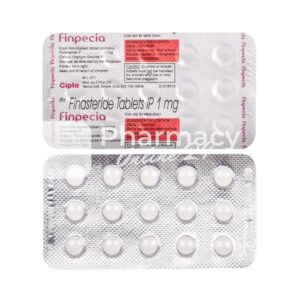
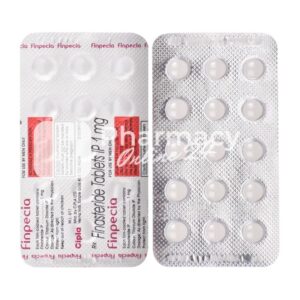
Propecia is the brand name for finasteride 1 mg film-coated tablets.
Finasteride is the international nonproprietary name, and the same medicine is sold under different pack styles across Europe and beyond.
Proscar is also finasteride, but at 5 mg and used for benign prostatic hyperplasia, not for hair loss.
That distinction matters, because the 5 mg product is not the same treatment pathway as finasteride 1 mg for alopecia.
In the UK and internationally, finasteride is prescription only.
There is no legal over-the-counter version that contains true finasteride, and any genuine supply should come with proper prescription control and patient information.
Across Europe, packaging is sold under the same Propecia brand name, with local presentation such as French 28 or 84 tablet packs, German 28 or 84 packs, Italian blister packs, Spanish 28-tablet packs, and Romanian blistered film-coated tablets.
Generic finasteride 1 mg is available in many markets as well, and no significant formulation differences are noted internationally.
INN, Brand Name, And Tablet Strength
The practical point for buyers is simple.
Finasteride is the medicine, Propecia is the branded 1 mg hair-loss tablet, and Proscar is the 5 mg tablet for BPH.
When comparing products online, patients often look at packaging, tablet strength, and whether the supplier can trace the batch and include the correct leaflet.
| Brand Name | Country Or Region | Pack Or Strength |
|---|---|---|
| Propecia | France | Comprimés pelliculés, 1 mg, boîte 28 ou 84 |
| Propecia | Germany | Filmtabletten, 1 mg, 28er oder 84er Packung |
| Propecia | Romania | Comprimate filmate, 1 mg, cutie cu blistere |
| Propecia | Italy | Compresse rivestite con film, 1 mg (blister) |
| Propecia | Spain | Comprimidos recubiertos con película, 1 mg (28 uds) |
Who Propecia Is For And Who Should Not Use It
Is this medicine meant for men with thinning at the temples or crown?
Yes, that is the main group it is designed for.
It is indicated for male pattern hair loss in men only, and not for women or children.
That is not a minor detail.
It affects who can safely use it, who can even handle it, and which symptoms should trigger a referral before supply.
Women who are or may become pregnant should not take finasteride, and they should not handle crushed or broken tablets because of the teratogenic risk to a male fetus.
For men, the main screening points before purchase are straightforward: age, allergy history, liver problems, and whether there are reasons to worry about prostate cancer.
Men over 65 may still ask about it, but efficacy for alopecia has not been established in that age group.
Men With Androgenetic Alopecia Only
- Eligible
- Adult men with androgenetic alopecia who need a prescription hair loss treatment and can commit to daily use.
- Ineligible
- Women, children, and anyone with hypersensitivity to finasteride or any tablet component.
- Caution
- Men with liver dysfunction, those with prostate cancer risk factors, and anyone uncertain about diagnosis should speak to a pharmacist or prescriber first.
A patient asking about shedding in the shower or a widening crown is usually describing male hair loss treatment needs, not a general cosmetic concern.
That said, hair loss can have other causes, so a pharmacy consultation should always check whether the pattern really fits androgenetic alopecia.
How Propecia Works In The Body
Finasteride belongs to the 5-alpha-reductase inhibitor class and carries ATC code D11AX10.
In plain English, it lowers dihydrotestosterone, usually shortened to DHT, and that helps slow miniaturisation of hair follicles.
Less DHT means less pressure on sensitive follicles, which can reduce ongoing thinning over time.
Patients do not usually notice the mechanism directly.
What they notice is less shedding, slower recession, and in some cases hair that looks thicker after consistent use.
This is why finasteride mechanism discussions should stay practical.
The important point is not the chemistry lesson, but the result: a slower hair loss process and, for some men, visible hair regrowth or better preservation of existing hair.
5-Alpha-Reductase Inhibition Explained Simply
The usual expectation is not dramatic overnight regrowth.
Instead, DHT reduction works gradually, giving follicles more time to stay active rather than shrinking further.
DHT reduction → slower shedding → thicker-looking hair over time.
Results Timeline: When UK Patients Usually See Change
How long until results start?
That is probably the most common question in pharmacy counselling.
The minimum trial is 3 months, maximal effect is usually seen at 6 to 12 months, and relapse is expected within 12 months after stopping treatment.
So the real issue is patience and consistency.
Some men worry about early shedding, but a change in the first weeks is not the same as failure.
Repeat prescriptions matter here because regular daily use is what keeps treatment going long enough to judge it properly.
A one-off order is rarely useful if the patient does not continue the course.
Minimum Trial Period, Maximum Effect, And Stopping Treatment
- Month 1 to 3: keep taking one tablet daily and do not expect instant cosmetic change.
- Month 3 to 6: this is the usual point where some men start to notice less shedding or subtle thickening.
- Month 6 to 12: the best response window for many patients, with maximal effect often visible here.
- After stopping: any benefit usually fades, with relapse expected within 12 months.
That timeline is why pharmacies often encourage continuity rather than sporadic buying.
For men who want the treatment to work as intended, daily dose discipline matters more than occasional big orders.
How To Take Propecia Correctly
The standard dose for alopecia is 1 mg orally once daily.
It should be taken the same way each day, and if a dose is missed, it should be taken as soon as remembered unless the next dose is nearly due.
Doubling up is not advised.
That simple counselling point prevents avoidable dosing mistakes.
For practical pharmacy use, it is also useful to know that overdose data are reassuring.
Single doses up to 400 mg and multiple doses up to 80 mg daily for 3 months produced no serious adverse effects, with supportive management only.
Standard Dose, Missed Dose, And Overdose Facts
| Situation | Advice |
|---|---|
| Standard dose | 1 mg orally once daily |
| Missed dose | Take as soon as remembered, but skip if it is nearly time for the next dose |
| Overdose | Supportive management only; serious adverse effects were not seen in the data provided |
If a patient is unsure whether they have taken a tablet already, the safest advice is usually not to take an extra one.
Side Effects And Tolerability
Will it cause sexual side effects?
That is the concern most men raise first, and it should be addressed clearly.
The listed effects include decreased libido, erectile dysfunction, ejaculation disorders, breast tenderness or enlargement, and rash.
These effects often subside with continued therapy, and less than 2% discontinue because of adverse effects.
Most men do not experience persistent side effects, but symptoms should still be reported promptly.
A pharmacy should not dismiss side effects as trivial, especially if a patient is worried or if breast changes appear.
Common Effects, Persistence, And When To Stop
| Type | Examples | What To Do |
|---|---|---|
| Common | Decreased libido, erectile dysfunction, ejaculation disorders | Report them and discuss whether to continue treatment |
| Less common | Breast tenderness, breast enlargement, rash | Seek pharmacist or prescriber advice, especially if symptoms are new |
| Urgent | Marked breast change or any severe reaction | Stop and seek medical review |
In most men, finasteride tolerability is good enough for long-term use if the treatment is helping and there are no troublesome adverse effects.
Safety Warnings And Contraindications
There are two absolute reasons not to use it: hypersensitivity to finasteride or any tablet component, and pregnancy or women who may become pregnant.
That second point is critical because of the teratogenic risk to a male fetus.
Finasteride also needs caution in liver dysfunction, and it should be considered carefully in men with risk factors for prostate cancer because it may lower PSA and mask cancer.
Pharmacy screening is therefore more than a formality.
It is how suitability is checked before supply, and it is why original packaging and proper patient leaflets matter.
Pregnancy, Hypersensitivity, And Prostate Cancer Caution
- Absolute contraindications
- Hypersensitivity to finasteride or any tablet component, and pregnancy or potential pregnancy in women.
- Relative contraindications
- Liver dysfunction, prostate cancer risk factors, and the need to watch for breast changes.
These are the questions a pharmacist may ask before approving a private supply or referring for further assessment.
Special Handling, Storage, And Transport
Can the tablets just be left in a bathroom cabinet?
Not really, because moisture and heat can be a problem for any medicine kept in the wrong place.
Propecia should be stored at 15 to 30°C, protected from moisture and light, and kept in the original blister packaging until use.
That helps prevent degradation and keeps the batch identification intact.
Women who are or may become pregnant should not handle crushed or broken tablets, although coated tablets are safe to touch if intact.
Blister Packs, Moisture Protection, And Safe Handling
Do: keep the pack sealed until use, store it at room temperature, and place it somewhere dry and out of direct light.
Don’t: decant tablets into unlabelled containers, crush tablets unnecessarily, or leave them where children could access them.
UK Access, Prescriptions, And Online Pharmacies
UK patients often compare the NHS, a private prescription, and online pharmacy services before ordering.
That makes sense, because access can be different depending on the region, the service model, and whether an ePrescription is used.
Boots, LloydsPharmacy, and Superdrug are familiar names to many patients, but online pharmacies have become a major route for men who want discreet assessment and delivery.
Prescription only status still applies everywhere, so any legitimate service should verify suitability before supply.
That is part of patient trust.
It also helps explain why consultation questions about age, pregnancy risk, allergies, and prostate history are standard.
In our online pharmacy, propecia is available without a prescription, with discreet delivery to United Kingdom in 5-14 days.
The same medicine may be supplied through NHS routes, private scripts, or electronic prescribing, but the key point remains the same: there is no legal OTC finasteride.
NHS, Private Scripts, And Electronic Prescribing
| Access Route | Typical Features | What Patients Usually Value |
|---|---|---|
| NHS prescription | Available where prescribed and commissioned locally | Lower direct cost where eligible |
| Private prescription | Paid prescribing pathway through a clinician or online doctor | Speed, convenience, and continuity |
| Online pharmacy with ePrescription | Remote consultation and dispensing with verification | Discreet access and home delivery |
Price Expectations And Regional Prescription Differences
What does it cost in the real world?
That depends on whether the supply is private, which pharmacy is used, and whether there are repeat dispensing fees.
Patients in Scotland, Wales, and Northern Ireland benefit from free prescriptions, while England follows the usual prescription charge model unless an exemption applies.
That is one reason some men still choose a private route even when a medicine is available through NHS care.
They may want quicker access, a specific brand, or a convenient repeat supply from a private pharmacy.
When comparing online options, it is sensible to check dispensing fees, prescription charges, and subscription models before committing.
Affordability Across The UK
| Region | Likely Cost Pattern | Notes |
|---|---|---|
| England | Prescription charge may apply | Private supply also possible |
| Scotland | Free prescriptions | Eligibility depends on NHS supply route |
| Wales | Free prescriptions | Availability still depends on prescribing |
| Northern Ireland | Free prescriptions | Repeat supply and service model still matter |
Brand Versus Generic Finasteride 1 Mg
Are there meaningful differences between Propecia and generic finasteride?
In practical terms, the main differences people notice are price, packaging, and confidence in sourcing.
Many countries now offer generic finasteride 1 mg, and no significant formulation differences are noted internationally.
That means the decision is usually about trust and convenience rather than a major change in the active ingredient.
Patients may prefer branded stock because they want original packaging and the patient leaflet from the recognised manufacturer, while others simply look for a lower-cost alternative with batch traceability.
Are There Meaningful Differences?
| Product | Typical Advantage | Typical Consideration |
|---|---|---|
| Propecia | Recognised brand and original presentation | Usually higher cost |
| Generic finasteride | Lower cost and wide availability | Check sourcing, packaging, and leaflet quality |
| Proscar | Established finasteride product | Not for hair loss because it is 5 mg |
Alternatives And Combination Approaches
Some men want to know what else is available if finasteride is not right for them, or if they want to combine treatments.
The main alternatives are dutasteride, minoxidil, and saw palmetto.
Minoxidil is topical and available over the counter, so it is often the first add-on for men already using finasteride.
Dutasteride is more potent at blocking type I and II 5-alpha-reductase, but it is not approved for alopecia everywhere and is used off-label in some settings.
Saw palmetto is a herbal option with weak anti-DHT activity and less robust evidence.
In practical counselling, the question is usually not which is “best” in theory, but which option suits the patient’s goals, budget, and tolerance for side effects.
Minoxidil, Dutasteride, And Herbal Options
| Option | Mechanism | Access | Key Point |
|---|---|---|---|
| Minoxidil | Topical vasodilator | OTC | Often combined with finasteride |
| Dutasteride | Blocks type I and II 5-alpha-reductase | Prescription; off-label for hair loss in some settings | More potent, but not approved everywhere for alopecia |
| Saw palmetto | Weak anti-DHT activity | Supplement | Less scientifically validated |
Regulatory Status, Approval, And Supplier Trust Signals
Finasteride is approved in the United States by the FDA for androgenetic alopecia, and in the European Union through centralised or national procedures.
In Romania, Propecia is registered via ANMDMR product listings, and in all jurisdictions it remains prescription only.
Merck & Co. and MSD are the original developer and established suppliers, while multiple generic manufacturers also produce approved versions worldwide.
For patients, the practical trust signals are simple: proper prescription control, correct strength, original packaging, and the right patient leaflet for the country of supply.
That is what separates a legitimate prescription medicine from a doubtful listing.
Approved, Prescription Only, Original Manufacturer, Generic Options
Approved: yes, for androgenetic alopecia in the United States and through EU national or centralised procedures.
Prescription only: yes, everywhere in legal supply chains.
Original manufacturer: Merck & Co. / MSD.
Generic options: available in many countries, with no significant formulation differences noted internationally.
Delivery Across United Kingdom
| City | Region | Delivery time |
|---|---|---|
| London | Greater London | 5-7 days |
| Birmingham | West Midlands | 5-7 days |
| Manchester | North West England | 5-7 days |
| Glasgow | Scotland | 5-7 days |
| Edinburgh | Scotland | 5-7 days |
| Leeds | West Yorkshire | 5-7 days |
| Liverpool | Merseyside | 5-7 days |
| Bristol | South West England | 5-7 days |
| Sheffield | South Yorkshire | 5-9 days |
| Newcastle upon Tyne | North East England | 5-9 days |
| Nottingham | East Midlands | 5-9 days |
| Cardiff | Wales | 5-7 days |
| Belfast | Northern Ireland | 5-7 days |
| Leicester | East Midlands | 5-9 days |
For many men, the decision comes down to whether the medicine fits their diagnosis, their expectations, and their routine.
Propecia is a well-established finasteride 1 mg option for male pattern baldness, but it only works properly when the right patient is selected and the treatment is taken consistently.
That is why pharmacist advice, prescription checks, and sensible follow-up are part of good care rather than barriers to it.