Fluconazole
In brief
- Fluconazole is a prescription-only medicine (POM) in the UK and should be used under medical supervision; the single 150 mg capsule for vaginal thrush is a pharmacy (P) medicine.
- Fluconazole is an antifungal medicine used to treat and prevent fungal infections, especially those caused by Candida and Cryptococcus species. It works by inhibiting fungal lanosterol 14-alpha-demethylase, which disrupts ergosterol synthesis and weakens the fungal cell membrane.
- The usual dose depends on the infection: vaginal candidiasis is often treated with a single 150 mg dose; oral thrush with 100 mg daily; oesophageal candidiasis with 200–400 mg daily; and more severe systemic infections may require 400–800 mg daily. Doses are adjusted for children, older adults, and people with kidney problems.
- Fluconazole is available as capsules/tablets, oral suspension, and intravenous solution or infusion. It is taken by mouth or given by intravenous infusion, depending on the product and the condition being treated.
- Fluconazole usually starts working within a few hours, but improvement in symptoms may take 1–2 days or longer depending on the type and severity of the infection.
- The duration of action is long, allowing once-daily dosing in most cases. Treatment length ranges from a single dose for some infections to several weeks for serious fungal infections.
- Alcohol is best avoided or kept to a minimum during treatment, as it may worsen side effects such as nausea, dizziness, and stomach upset, and can place additional strain on the liver.
- The most common side effects are nausea, vomiting, abdominal pain, diarrhoea, rash, itching, headache, dizziness, and raised liver enzymes.
- Would you like to try fluconazole without a prescription?
Fluconazole at a glance
Fluconazole is a triazole antifungal that is chosen especially for vaginal candidiasis and oral thrush. It has a broad antifungal spectrum and is included on the WHO List of Essential Medicines.
In the UK fluconazole is a prescription-only medicine; the single 150 mg capsule for vaginal thrush is a pharmacy (P) medicine. Oral suspension is helpful when swallowing is difficult.
Basic fluconazole information
- INN (international nonproprietary name): Fluconazole
- Brand names available in the United Kingdom: Diflucan; generic fluconazole (for example Teva, Zentiva).
- ATC code: J02AC01
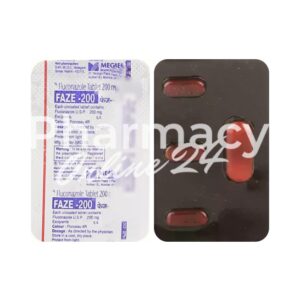
- Forms and dosages: 50 mg, 100 mg, 150 mg and 200 mg capsules/tablets; oral suspension; IV solution; infusion vial.
- Manufacturers in the United Kingdom: Pfizer (Diflucan); generics from Teva, Zentiva and other manufacturers.
- Registration status in the United Kingdom: Prescription-only medicine (POM); the single 150 mg capsule for vaginal thrush is a pharmacy (P) medicine.
- OTC / Rx classification: Prescription-only medicine (POM); single 150 mg thrush capsule: pharmacy (P) medicine.
How fluconazole works and why it is commonly prescribed
Antifungal mechanism in plain English
When a yeast or fungal infection takes hold, fluconazole helps stop the organism from growing properly.
It is a triazole antifungal and a systemic antifungal, with the ATC code J02AC01.
In practical terms, that means the medicine reaches the bloodstream well, acts across a broad antifungal spectrum, and is used for both superficial and deeper fungal infections.
Its high oral bioavailability is one reason it is used so often in pharmacy and clinic settings.
- Triazole derivative
- A medicine class used to treat fungal infections.
- Systemic antifungal
- A treatment that works through the body, not just at the surface.
- Once-daily dose
- A simpler schedule that improves adherence for many patients.
Why once-daily dosing matters for adherence
People are more likely to finish treatment when the routine is straightforward.
That matters with fluconazole because many patients already feel uncomfortable, tired, or distracted by thrush symptoms.
A once-daily dose is easier to remember than multi-dose antifungal treatment.
When it is preferred over other antifungals
Fluconazole is often preferred when a prescriber wants a reliable oral antifungal with wide clinical use and simple dosing.
It may be chosen over itraconazole or voriconazole depending on the infection type, the person’s medicines, and whether oral or IV treatment is needed.
Available forms, strengths, and packaging options
Capsules and tablets
| Dosage form | Strengths available | Typical packaging examples |
|---|---|---|
| Capsules / Tablets | 50 mg, 100 mg, 150 mg, 200 mg | Diflucan, Fluconazole Teva, Fluconazole Zentiva, generic packs |
| Oral suspension | 10 mg/ml, 40 mg/ml | Manufacturer-dependent bottles and reconstitution packs |
| IV solution | 2 mg/mL, 200 mg/100 mL | Teva, Baxter, Hospira, Pfizer |
| Infusion vial | 200 mg, 400 mg | Pfizer, Teva, generic suppliers |
Fluconazole 150 mg capsules are the form many patients recognise first, especially for thrush treatment.
Tablets and capsules are usually the most convenient for home use, while oral suspension and IV infusion are used when the clinical situation needs a different route.
Oral suspension
Liquid fluconazole can be useful when swallowing tablets is difficult, or when a clinician needs to dose by weight.
Packaging varies by manufacturer, so the bottle and label may look different even when the active ingredient is the same.
IV solution and infusion vials
IV products are mainly used in hospital settings for more serious infection management.
Those packs also vary by manufacturer.
Brand names and manufacturers
Diflucan is the best-known brand, made by Pfizer. Generic fluconazole products may appear as Fluconazole Teva, Fluconazole Zentiva and other manufacturer names.
| Brand | Manufacturer | Common forms |
|---|---|---|
| Diflucan | Pfizer | 50 mg, 100 mg, 150 mg, 200 mg capsules/tablets; IV vial |
| Fluconazole Teva | Teva | 50 mg, 150 mg tablets; 2 mg/mL solution |
| Fluconazole Zentiva | Sanofi-Aventis, Zentiva | Tablets and other presentations |
Even when the active ingredient is identical, packaging may change with the manufacturer, so one fluconazole capsule pack may look different from another. The key check is the strength, form and prescription status, not the box design.
What fluconazole is used for: the most common prescribing reasons
Vaginal candidiasis
Many patients first ask about fluconazole when they have the familiar itching, irritation and discharge associated with thrush.
For vaginal candidiasis, the usual adult dose is a single 150 mg oral dose.
That one-dose approach is one reason fluconazole 150 mg is so widely used.
Oral and oesophageal candidiasis
Oral thrush often brings soreness, a burning mouth or white patches that do not feel normal.
The usual adult dose for oropharyngeal candidiasis is 100 mg per day for 7 to 14 days.
For oesophageal candidiasis, treatment is usually 200 to 400 mg per day for 14 to 30 days.
Cryptococcal and systemic infections
More serious fungal infections need prescription supervision and a proper review of the person’s full medical history.
Cryptococcal meningitis is typically treated with 400 mg on the first day, then 200 to 400 mg daily for 6 to 8 weeks or longer.
Systemic candidiasis or prophylaxis may require 400 to 800 mg daily, by oral or IV route, depending on the indication.
| Indication | Usual adult dose | Typical duration |
|---|---|---|
| Vaginal candidiasis | 150 mg oral single dose | 1 day |
| Oropharyngeal candidiasis | 100 mg daily | 7 to 14 days |
| Oesophageal candidiasis | 200 to 400 mg daily | 14 to 30 days |
| Cryptococcal meningitis | 400 mg first day, then 200 to 400 mg daily | 6 to 8 weeks or longer |
| Systemic candidiasis / prophylaxis | 400 to 800 mg daily | Variable |
Choosing the right fluconazole form
Best format for swallowing difficulties
If swallowing tablets is hard, oral suspension is usually the most practical option.
Children and some adults may be better suited to liquid medicine, depending on the prescription.
When a single-dose product is suitable
A single-dose fluconazole 150 mg product is generally used when a prescriber is treating straightforward vaginal candidiasis.
When a prescriber may choose oral suspension or IV
Suspension may be chosen for weight-based dosing, while IV products are normally reserved for hospital treatment.
Choose tablets or capsules if convenience matters and swallowing is easy.
Choose oral suspension if a liquid is needed.
Choose IV treatment only when a clinician has set that route.
Dosage guidance, including adjustments for age and kidney function
Adults and older adults
Adult dosing depends on the infection being treated, and older adults usually use adult doses with closer renal monitoring.
That is because age itself is not the main issue; kidney function is.
Children
Children are usually dosed by weight at 6 to 12 mg/kg/day, without exceeding the adult maximum dose.
The lower end is generally used for prophylaxis, and the higher end for systemic treatment.
Renal and hepatic considerations
Dose adjustment is required in renal impairment, with the initial dose given as normal and later doses reduced according to creatinine clearance.
Hepatic impairment needs caution, with liver enzyme monitoring advised because of the risk of liver injury.
- Renal impairment
- The kidneys do not clear the medicine as efficiently, so dose changes may be needed.
- Hepatic impairment
- Reduced liver function can increase the risk of adverse effects.
- Liver enzymes
- Blood test markers pharmacists and prescribers may monitor during treatment.
| Group | Usual approach | Key caution |
|---|---|---|
| Adults | Use condition-specific adult dose | Follow prescription |
| Older adults | Adult dosing with renal monitoring | Accumulation risk |
| Children | 6 to 12 mg/kg/day | Weight-based dosing only |
| Renal impairment | Initial standard dose, then adjust | Creatinine clearance matters |
| Hepatic impairment | Caution and monitoring | Liver enzymes may rise |
How to take fluconazole safely and get the best results
Timing and adherence
- Take it exactly as prescribed.
- Keep to the same time each day when a course is longer than one dose.
- Finish the full course unless your prescriber tells you otherwise.
- Use it as part of proper antifungal counselling, especially if symptoms have been recurring.
With or without food
Fluconazole is usually straightforward to take, and many patients find it easy to fit around meals.
That is one reason treatment adherence is often better than with more complicated regimens.
What to do if symptoms persist
If symptoms do not improve in the expected timeframe, or they come back soon after treatment, a pharmacist or doctor should review the situation.
Sometimes the diagnosis needs checking, and sometimes a different treatment plan is needed.
Missed dose, overdose, and when to get urgent help
Missed dose: Take it when you remember unless it is nearly time for the next dose.
Do not double up: Taking two doses together can increase side effects without helping treatment.
Overdose signs: Hallucinations, paranoia and ECG abnormalities have been reported.
What to do: Contact a pharmacist, NHS 111 or urgent care depending on how unwell the person feels.
Overdose management is supportive, and haemodialysis may be used if clinically needed.
Side effects patients report most often
Common mild side effects
Some people notice nausea, vomiting, tummy upset or diarrhoea after starting treatment.
Headache and dizziness can also happen, and they often settle as the course progresses.
Less common but important reactions
| Side effect | How often it is reported | What to do |
|---|---|---|
| Nausea | Common | Usually monitor; ask pharmacist if severe |
| Vomiting | Common | Seek advice if persistent |
| Abdominal pain | Common | Review if troublesome |
| Diarrhoea | Common | Monitor fluid intake and symptoms |
| Rash | Common to less common | Get advice promptly |
| Pruritus | Common to less common | Ask about possible allergy |
| Raised liver enzymes | Less common but important | Needs medical review |
When to stop and seek advice
If a rash is spreading, you feel unwell, or there are concerns about liver enzymes, the medicine should be reviewed quickly.
Pharmacists are used to checking fluconazole side effects against the full medication list and can advise when the prescriber should be contacted.
Contraindications, interactions, and who should avoid it
Absolute contraindications
Fluconazole should not be used if there is a known hypersensitivity to fluconazole or another azole antifungal.
It is also contraindicated with medicines that severely prolong the QT interval, such as cisapride and erythromycin.
High-dose and prolonged therapy is contraindicated in pregnancy.
QT prolongation and heart rhythm risks
People with arrhythmia or a history of QT prolongation need careful screening before treatment.
That is one reason prescription screening is so important in UK pharmacy practice.
Important medicine interactions
| Interaction type | Example | Action |
|---|---|---|
| Severe QT-prolonging co-medication | Cisapride, erythromycin | Avoid co-administration |
| Known azole hypersensitivity | Fluconazole or related azoles | Do not use |
| Liver dysfunction | History of abnormal liver tests | Monitor closely |
| Renal impairment | Reduced creatinine clearance | Adjust dose as prescribed |
| Arrhythmia risk | QT prolongation or cardiac rhythm problems | Special caution |
Pregnancy, breastfeeding, and specialist advice
Pregnancy safety considerations
- Pregnancy
- High-dose and prolonged therapy is contraindicated.
- Breastfeeding
- Questions should be discussed with a pharmacist or prescriber before use.
- Specialist advice
- Needed when the infection is recurring, severe, or the person is pregnant.
In UK practice, patients often ask a pharmacist first, but the final prescribing decision sits with the prescriber.
Legal status and availability in the UK
In our online pharmacy, fluconazole is available without a prescription, with discreet delivery to the United Kingdom in 9–21 days.
Fluconazole is a prescription-only medicine (POM) in the UK; the single 150 mg capsule for vaginal thrush is a pharmacy (P) medicine.
Delivery across the United Kingdom
| City | Region | Delivery time |
|---|---|---|
| London | Greater London | 9–21 days |
| Birmingham | West Midlands | 9–21 days |
| Manchester | North West England | 9–21 days |
| Glasgow | Scotland | 9–21 days |
| Edinburgh | Scotland | 9–21 days |
| Leeds | West Yorkshire | 9–21 days |
| Liverpool | Merseyside | 9–21 days |
| Bristol | South West England | 9–21 days |
| Cardiff | Wales | 9–21 days |
| Newcastle upon Tyne | North East England | 9–21 days |
| Nottingham | East Midlands | 9–21 days |
| Leicester | East Midlands | 9–21 days |
| Sheffield | South Yorkshire | 9–21 days |
| Aberdeen | Scotland | 9–21 days |
| Swansea | Wales | 9–21 days |
Storage and product checks
Storage by formulation
- Tablets and capsules: store below 25°C and protect from moisture.
- IV solutions: store between 2 and 30°C, avoid freezing, and check clarity before use.
- Oral suspension: refrigerate after mixing if reconstituted and use within the recommended period, usually 14 days.
Expiry checks
Before taking any fluconazole product, check the expiry date and the condition of the pack.
What to inspect before taking
Look for intact packaging, the correct strength, and a solution that is clear if it is an IV product.
If anything looks damaged, cloudy or out of date, it should not be used.