Flavoxate Hcl
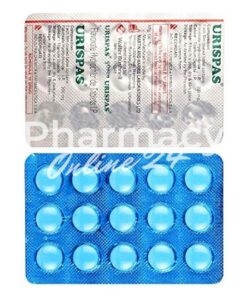
In stock
200mg
from 47,21 £
In brief
- Flavoxate HCl is a muscle relaxant for the bladder, taken when urgency, frequent trips and burning on passing urine become a problem.
- Pack choices of 30, 60, 90, 120 or 180 tablets are available in a single 200 mg strength.
- UK product information does not recommend it for under-12s, and a doctor or prescriber must decide whether it fits your situation.
Flavoxate HCl and bladder spasm
Flavoxate HCl is the hydrochloride salt of flavoxate, a medicine that eases spasm in the smooth muscle of the urinary tract. When the bladder wall contracts too often, the result is a sudden urge to pass water, trips to the toilet through the night, a dull ache above the pubic bone and, sometimes, leakage. The UK SmPC applies flavoxate to these complaints where they accompany cystitis, prostatitis or urethritis, or follow surgery or an instrument examination of the urinary tract. It calms the symptoms; it is not an antibiotic, so an infection still needs its own treatment.
Strength, packs and the UK brand
The one strength here is 200 mg. Packs contain 30, 60, 90, 120 or 180 tablets, so even the smallest covers a week or more at the normal dose. In the electronic medicines compendium the only flavoxate product is Urispas, a prescription-only tablet. The tablets on this page are imported, and the carton may be written for a market other than Britain, so read the strength on the strip. People who cannot tolerate lactose should know that the SmPC lists it as an ingredient.
How the SmPC sets the dose
Flavoxate HCl is taken as one 200 mg tablet three times daily after meals, and older adults take the same amount. Blood levels of the main breakdown product peak in about half an hour to an hour, and over half of it leaves through the kidneys. The SmPC does not cover children under 12, and flavoxate is not recommended for them. Swallow the tablets whole with water and space the three doses across the waking day. Prescribers tend to choose a short trial, then judge whether the bladder symptoms have settled.
Situations in which flavoxate is not used
A blockage of the digestive tract or paralysis of the gut (ileus), bleeding in the gut, achalasia (a gullet that fails to open), difficulty emptying the bladder, glaucoma and myasthenia gravis are all listed as reasons to avoid Flavoxate HCl. In pregnancy it is to be avoided and, per the SmPC, not used while breastfeeding. Tell the prescriber about any earlier allergy to medicines and any other long-term condition, since each one affects the decision.
Possible effects of the tablets
Because flavoxate has anticholinergic properties, dry mouth, a headache, sleepiness, dizziness, blurred vision, nausea and a quickened pulse can appear. Anyone who feels drowsy or finds their vision affected should avoid driving and machinery until it has passed. Pain in the eye, new difficulty passing water or a rash deserves prompt medical advice, and blood in the urine, a fever or pain in the flank should never be put down to bladder spasm alone, so those signs call for a proper assessment.
Everyday habits that go with treatment
Cutting down on coffee, fizzy drinks and alcohol often reduces urgency, because all three can irritate the bladder lining. A diary of what is drunk and how often the toilet is needed gives the doctor something concrete to work from, so take it along to follow-up appointments. These suggestions are general lifestyle advice, not taken from the SmPC. Flavoxate HCl is a medicine for a prescriber to supervise, and the length of the course is their decision.