Sotalol
In stock
40mg
from 20,08 £
In brief
- Sotalol is a beta-blocker that also lengthens the heart’s electrical recovery phase, used to prevent dangerous or irregular heart rhythms.
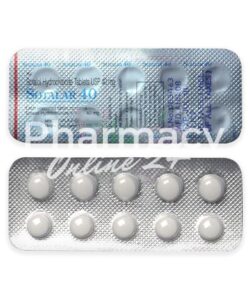
- Sotalol comes here as a 40 mg tablet, with pack counts running from 20 up to 360.
- Sotalol is prescription-only in Britain and is begun after an ECG and blood tests, with the dose set by a doctor.
Sotalol and the rhythm problems it is used for
Sotalol blocks beta receptors and also lengthens the time the heart muscle takes to recover between beats, which is why it counts as an antiarrhythmic drug as well as a beta-blocker. The UK SmPC lists life-threatening ventricular tachyarrhythmias, prevention of recurrent supraventricular tachycardia, including paroxysmal atrial fibrillation, and keeping a normal rhythm after cardioversion. Rhythm drugs are powerful, so treatment is begun with care.
Tablet strength and pack counts
The 40 mg tablet can be had in 20, 30, 60, 90, 120, 180 or 360, so there is a pack for most prescribed regimens. UK sotalol tablets also come in 80 mg, and because the dose varies from person to person, the number of 40 mg tablets taken each day can be large. Check the strip for the strength before every new pack, as stock is imported.
Tests that come before treatment
The SmPC calls for an ECG with the QTc interval measured, kidney function and potassium and magnesium levels to be checked before treatment begins and again during treatment. Low potassium or magnesium makes dangerous rhythm disturbance more likely, so vomiting, diarrhoea or the use of diuretics should be reported. The same applies to a slow pulse or fainting episodes. In rare cases sotalol itself can provoke a dangerous rhythm known as torsades de pointes, which is the reason these tests are repeated and why any palpitations, dizziness or blackouts after a dose change must be reported on the same day.
Dosing under the SmPC
Treatment commonly starts at 80 mg a day and is raised every two to three days. The usual range is 160 to 320 mg a day in two doses about twelve hours apart. Doses of 480 to 640 mg a day are reserved for life-threatening refractory ventricular arrhythmias under expert supervision, when the potential benefit outweighs the increased risk. Food reduces absorption by about a fifth, so it is sensible to take it consistently. Kidney function sets the dosing interval, because sotalol leaves the body through the kidneys: with creatinine clearance between 30 and 60 ml/min the usual dose is halved, between 10 and 30 ml/min it is cut to a quarter, and under 10 ml/min the drug is avoided. Liver disease does not alter the dose.
Conditions and drugs that make sotalol unsafe
The SmPC excludes sinus node disease, second or third degree heart block, a long QT interval, uncontrolled heart failure, cardiogenic shock, a pulse below 50, asthma or bronchospasm, severe peripheral circulation disease and untreated phaeochromocytoma, among other conditions. Medicines that lengthen the QT interval, such as some antipsychotics, antidepressants, macrolide antibiotics and other antiarrhythmics, are particularly dangerous with sotalol. Potassium-depleting diuretics increase the risk of dangerous rhythm disturbances by lowering potassium.
Effects and stopping
Tiredness, dizziness, a slow pulse, breathlessness, cold hands and feet and sleep disturbance are among the usual effects. Palpitations, fainting or chest pain need urgent medical advice. Stopping suddenly may worsen angina and rhythm problems, so the dose should be tapered over one to two weeks. Sotalol can mask warning signs of low blood sugar, particularly a fast heartbeat. The decision rests with the prescriber.