
Cardiovascular Diseases
High Blood Pressure (Hypertension)
High blood pressure, or hypertension, occurs when the force of blood pushing against artery walls is consistently too high. This condition affects millions of people in the UK and often develops without noticeable symptoms, earning it the nickname “silent killer.” If left untreated, high blood pressure can lead to serious complications including heart attacks, strokes, and kidney disease.
Common Medications Available in the UK
Your GP may prescribe one medication or a combination depending on your individual circumstances. Regular monitoring of your blood pressure is essential for effective management.
- ACE inhibitors such as lisinopril and ramipril help relax blood vessels
- Angiotensin II receptor blockers including losartan and valsartan work similarly to ACE inhibitors
- Beta-blockers like atenolol and metoprolol slow heart rate and reduce blood pressure
- Calcium channel blockers such as amlodipine help blood vessels relax
- Diuretics including furosemide help remove excess fluid from the body
Heart Failure
Heart failure occurs when the heart cannot pump blood effectively around the body. This can develop gradually or suddenly, and it affects how oxygen and nutrients reach your organs. The condition can result from high blood pressure, previous heart attacks, valve problems, or other underlying heart conditions.
Treatment Options Available
Lifestyle changes including reducing salt intake, maintaining a healthy weight, and regular gentle exercise are equally important alongside medication. Your healthcare team will create a personalised treatment plan based on your specific situation.
- ACE inhibitors and ARBs reduce strain on the heart
- Beta-blockers help the heart work more efficiently
- Aldosterone antagonists like spironolactone help manage fluid retention
- Diuretics relieve symptoms of fluid buildup
- Hydralazine and nitrates improve blood flow
Coronary Heart Disease and Angina
Coronary heart disease develops when fatty deposits build up inside the coronary arteries, narrowing them and restricting blood flow to the heart muscle. Angina is the chest pain or discomfort that results from this reduced blood supply, particularly during physical activity or stress.
Medications Used in Treatment
Many people also benefit from cardiac rehabilitation programmes that combine supervised exercise with education about heart disease. Stopping smoking and managing stress are crucial lifestyle modifications.
- Aspirin helps prevent blood clots
- Nitrates such as glyceryl trinitrate provide rapid relief during angina attacks
- Beta-blockers reduce the heart’s oxygen demand
- Calcium channel blockers improve blood flow
- Statins including atorvastatin and simvastatin lower cholesterol levels
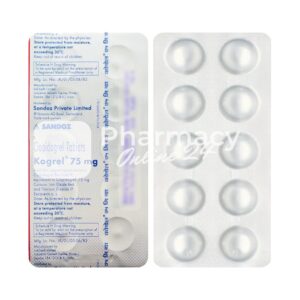
- Antiplatelet agents like clopidogrel prevent clot formation
Arrhythmias (Irregular Heartbeat)
Arrhythmias are abnormal heart rhythms where the heart beats too fast, too slowly, or irregularly. The heart may beat erratically, and you might experience palpitations, dizziness, or shortness of breath. Some arrhythmias are harmless, whilst others require careful medical management to prevent serious complications.
Medications for Rhythm Control
Your cardiologist will determine which medication suits your specific type of arrhythmia. Regular ECG monitoring may be necessary to ensure your heart rhythm remains stable on treatment.
- Antiarrhythmic drugs such as amiodarone help regulate heart rhythm
- Beta-blockers slow heart rate
- Calcium channel blockers control rate and rhythm
- Digoxin is used for certain types of arrhythmia
- Anticoagulants like warfarin and apixaban prevent blood clots in conditions such as atrial fibrillation
High Cholesterol
High cholesterol levels increase the risk of atherosclerosis, where fatty deposits accumulate in arteries and restrict blood flow. Often there are no symptoms, so many people don’t realise their cholesterol is elevated until it’s discovered during routine health checks.
Cholesterol-Lowering Medications
The NHS recommends lifestyle changes alongside medication, including eating a heart-healthy diet rich in fibre and low in saturated fat, regular exercise, maintaining a healthy weight, and avoiding smoking. Most people requiring cholesterol medication will need to take it long-term.
- Statins including atorvastatin, simvastatin, and rosuvastatin are the most commonly prescribed
- Ezetimibe reduces cholesterol absorption
- Bempedoic acid is a newer option for some patients
- PCSK9 inhibitors help those who don’t respond adequately to statins
- Bile acid sequestrants bind cholesterol in the digestive system
Peripheral Vascular Disease
Peripheral vascular disease affects blood vessels outside the heart and brain, reducing blood flow to the limbs. This commonly affects the legs and can cause pain when walking, known as claudication. If untreated, it can lead to serious complications requiring amputation.
Treatment Medications
Treatment focuses on managing underlying risk factors such as high blood pressure and high cholesterol. Exercise programmes specifically designed for peripheral vascular disease have proven beneficial. Your healthcare provider will assess your condition and recommend appropriate treatment, which may include medications, lifestyle changes, or in some cases, procedural interventions such as angioplasty or bypass surgery to restore blood flow to affected areas.
- Antiplatelet agents like aspirin prevent clot formation
- Cilostazol improves blood flow and reduces leg pain
- Anticoagulants in certain cases prevent clotting
- Naftidrofuryl helps improve blood flow
- Pentoxifylline reduces blood viscosity