
Gastrointestinal Tract
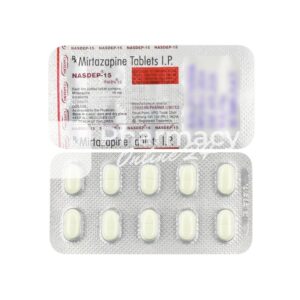
Mirtazapine
from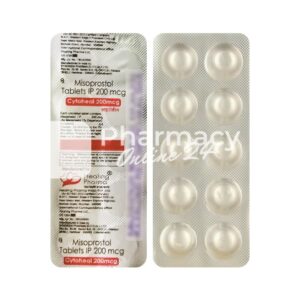
Misoprostol
from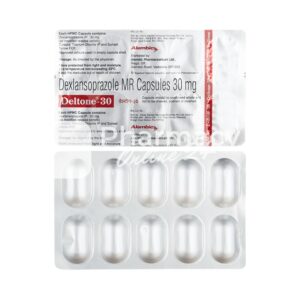
Dexilant
from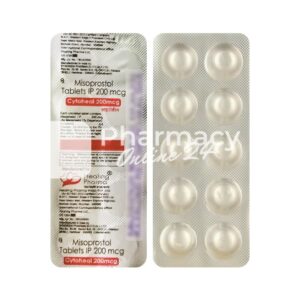
Cytotec
from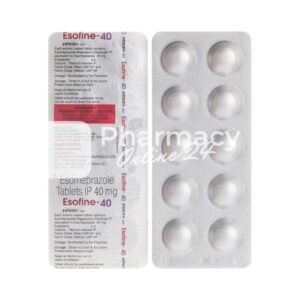
Nexium
from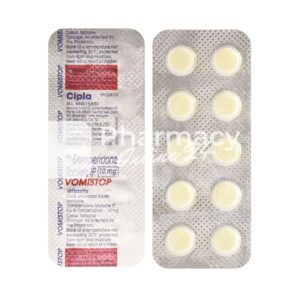
Motilium
from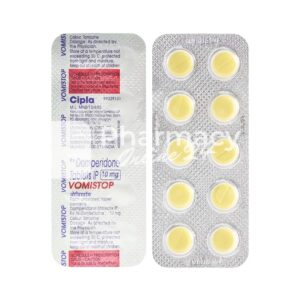
Domperidone
fromAcid Reflux and Heartburn Relief
Acid reflux, commonly known as heartburn, occurs when stomach acid travels back into the oesophagus, causing discomfort and a burning sensation. This condition affects millions of people across the United Kingdom and can range from occasional mild episodes to chronic problems that significantly impact daily life.
What It Is Used For
Heartburn medications work to reduce stomach acid production or neutralise existing acid. They provide relief from the burning sensation in the chest and throat, allowing you to eat and sleep more comfortably. Regular use can prevent complications and improve your overall quality of life.
Popular Medications Available
Omeprazole is one of the most widely prescribed options, working as a proton pump inhibitor to reduce acid production. Ranitidine alternatives like famotidine offer H2 blocker relief. Over-the-counter antacids such as Gaviscon and Rennie provide quick relief by neutralising stomach acid. Lansoprazole and esomeprazole are other effective prescription options available through the NHS or private pharmacies.
Additional Information
Lifestyle changes including dietary modifications, weight management, and avoiding late-night meals complement medication use effectively. Keeping a food diary helps identify personal triggers. It is recommended to take medications as directed and consult your GP if symptoms persist beyond two weeks.
Indigestion and Dyspepsia Treatment
Indigestion, medically termed dyspepsia, refers to discomfort or pain in the upper abdomen, often accompanied by bloating, nausea, and feeling uncomfortably full. Unlike acid reflux, indigestion involves a broader range of digestive discomfort and can stem from various causes including food choices, eating habits, and stress.
What It Is Used For
Indigestion treatments aim to soothe stomach irritation, reduce bloating, and improve digestion. These medications help break down food more efficiently and reduce gas formation. Treatment focuses on alleviating discomfort and restoring normal digestive function so you can enjoy meals without distress.
Popular Medications Available
Antacids containing calcium carbonate or magnesium hydroxide work quickly to neutralise acid. Simethicone helps reduce bloating and gas by breaking down air bubbles in the stomach. Domperidone aids stomach movement and digestion. Buscopan provides antispasmodic relief for cramping. Tums and Rennie are accessible over-the-counter options, whilst stronger treatments may require prescription from your healthcare provider.
Additional Information
Eating smaller, more frequent meals rather than large portions helps prevent indigestion. Staying upright after eating aids digestion. Avoiding spicy, fatty, or acidic foods reduces symptoms. Stress management through relaxation techniques can significantly improve digestive comfort. If indigestion persists for more than two weeks, consult your GP for proper evaluation.
Constipation Relief and Stool Softeners
Constipation affects a significant portion of the UK population, characterised by infrequent bowel movements, difficulty passing stools, or hard, dry faeces. This common condition can result from dehydration, insufficient fibre intake, sedentary lifestyle, or certain medications, and finding the right treatment is essential for comfortable digestive health.
What It Is Used For
Constipation treatments work through various mechanisms including adding bulk to stools, softening faeces, stimulating bowel movements, or lubricating the digestive tract. These medications restore normal bowel function and eliminate the discomfort associated with straining. Regular use establishes healthy bathroom habits and prevents complications.
Popular Medications Available
Bulk-forming laxatives like Fybogel and Metamucil add fibre and water to stools. Docusate sodium acts as a stool softener without stimulating bowel movements. Senna provides gentle stimulation for bowel movements. Lactulose draws water into the bowel for softer stools. Movicol, containing polyethylene glycol, is highly effective for stubborn constipation. Glycerol suppositories offer quick relief. Many options are available without prescription at UK pharmacies.
Additional Information
Increasing daily water intake to at least eight glasses is fundamental for preventing constipation. Eating high-fibre foods such as fruits, vegetables, and whole grains naturally promotes regular bowel movements. Regular physical activity stimulates digestive function. Establishing a consistent bathroom routine helps regulate bowel movements. Gradually increase fibre intake to avoid temporary bloating. If constipation persists longer than three weeks or is accompanied by severe pain, seek medical advice.
Diarrhoea Management and Anti-Diarrhoeal Agents
Diarrhoea involves loose, watery stools occurring more frequently than normal and can result from viral infections, food poisoning, dietary changes, or medication side effects. Whilst most cases resolve independently within a few days, appropriate treatment provides relief and prevents dehydration, which is particularly important for young children and elderly individuals.
What It Is Used For
Anti-diarrhoeal medications reduce intestinal fluid secretion, decrease bowel movement frequency, and firm up stools. These treatments provide rapid symptom relief whilst your body fights the underlying infection or adjustment. They allow you to maintain normal daily activities and prevent the complications associated with fluid loss.
Popular Medications Available
Loperamide, commonly known as Imodium, slows intestinal movement to reduce stool frequency. Bismuth subsalicylate provides anti-inflammatory benefits alongside anti-diarrhoeal effects. Racecadotril reduces intestinal fluid secretion effectively. Over-the-counter options like Dioralyte address electrolyte replacement alongside symptomatic relief. Most are available without prescription, though certain situations require medical consultation.
Additional Information
Staying hydrated is crucial when experiencing diarrhoea; oral rehydration solutions like Dioralyte replace lost fluids and electrolytes more effectively than water alone. Consuming bland foods including toast, rice, bananas, and crackers supports recovery. Avoiding dairy, high-fat foods, and high-fibre options temporarily allows your digestive system to settle. Wash hands frequently to prevent spreading infection. Seek immediate medical attention if diarrhoea lasts longer than seven days, includes blood, or is accompanied by severe abdominal pain.
Irritable Bowel Syndrome Support and Management
Irritable Bowel Syndrome (IBS) is a chronic functional disorder affecting millions throughout the United Kingdom, characterised by recurring abdominal pain, bloating, and altered bowel habits including diarrhoea, constipation, or alternating patterns. This condition significantly impacts quality of life but responds well to appropriate treatment and lifestyle modifications.
What It Is Used For
IBS medications target specific symptoms rather than providing a cure. Antispasmodics reduce abdominal cramping, whilst others address predominant diarrhoea or constipation. These treatments improve comfort and allow better control over symptoms, enabling you to maintain employment, social activities, and overall wellbeing despite the condition.
Popular Medications Available
Mebeverine functions as an antispasmodic to reduce cramping without affecting normal bowel movement. Dicyclomine provides similar antispasmodic relief. For IBS with predominant diarrhoea, loperamide offers symptom control. Psyllium husk helps those experiencing constipation-predominant IBS. Alosetron, a more specialised medication, may be prescribed for severe symptoms. Peppermint oil capsules provide natural relief for many sufferers. Treatments range from over-the-counter options to prescription medications tailored to your specific symptom pattern.
Additional Information
Identifying and avoiding personal food triggers through an elimination diet significantly reduces symptoms. Maintaining a food and symptom diary helps recognise patterns. Stress management techniques including mindfulness, yoga, and regular exercise provide substantial relief. Increasing soluble fibre intake gradually improves bowel regularity. Getting adequate sleep supports digestive health. Consulting a GP is important for proper diagnosis and developing a personalised management plan that may include medication, dietary changes, and psychological support.
Nausea and Vomiting Relief
Nausea and vomiting can result from various causes including motion sickness, migraines, medication side effects, viral infections, or chemotherapy. These symptoms range from mild queasiness to severe vomiting that prevents eating and drinking, significantly affecting your wellbeing. Appropriate anti-nausea medications provide relief and prevent complications.
What It Is Used For
Anti-nausea medications, known as antiemetics, work through different mechanisms to reduce nausea sensations and prevent vomiting episodes. Some target the chemoreceptor trigger zone in the brain, whilst others calm stomach movement. These treatments enable you to maintain nutrition and hydration, recover from underlying conditions more effectively, and return to normal activities sooner.
Popular Medications Available
Metoclopramide enhances stomach muscle contractions and blocks nausea signals to the brain. Domperidone works similarly with fewer central nervous system side effects. Cyclizine addresses motion sickness and post-operative nausea effectively. Ondansetron, a powerful option for severe nausea from chemotherapy or surgery, is available through NHS or private prescription. Promethazine combines anti-nausea effects with sedation. Ginger supplements and peppermint provide natural relief for mild symptoms.
Additional Information
- Eat small, frequent meals rather than large portions to reduce nausea triggers
- Consume clear broths, ginger ale, and bland foods to support recovery
- Avoid strong odours, sudden movements, and fatty foods to prevent symptoms
- Use acupressure bands for non-medicinal relief, particularly for motion sickness
- Stay hydrated with small sips of water or electrolyte solutions
- Seek fresh air and use relaxation techniques to ease symptoms naturally
If vomiting persists for more than a few hours or prevents adequate nutrition, consult your healthcare provider promptly.