
Muscle Relaxant
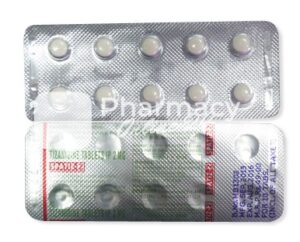
Tizanidine
from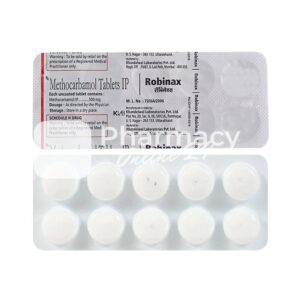
Robaxin
from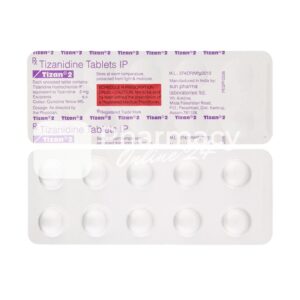
Zanaflex
from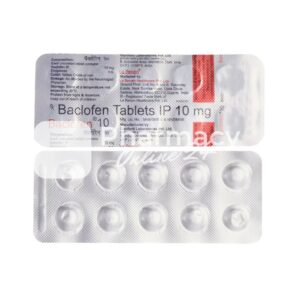
Baclofen
fromWhat Are Muscle Relaxants and How Do They Work?
Muscle relaxants are medications designed to reduce muscle tension and alleviate pain caused by muscle spasms and stiffness. These medicines work by affecting the central nervous system or directly targeting muscle tissue to interrupt the signals that cause muscles to contract involuntarily. When muscles become overly tense or go into spasm, muscle relaxants can provide relief by relaxing the affected areas. They are typically prescribed for short-term use to manage acute muscle pain and discomfort. Understanding how these medications work helps patients use them safely and effectively.
Muscle relaxants come in various forms, with different active ingredients that work through different mechanisms. Some work on the spinal cord to reduce nerve signals, whilst others act directly on the muscle fibres themselves. Healthcare professionals often recommend muscle relaxants as part of a broader treatment plan that may include physiotherapy and other pain management strategies. These medications are not suitable for long-term use and should always be taken under medical supervision.
Common Conditions Treated with Muscle Relaxants
Muscle relaxants are prescribed for numerous musculoskeletal conditions that cause significant discomfort. Back pain is one of the most common reasons patients receive muscle relaxant prescriptions. Neck strain and tension, often caused by poor posture or injury, also benefit greatly from these medications. Whiplash injuries, typically sustained in vehicle accidents, frequently require muscle relaxant treatment to ease severe muscle tension.
Sports injuries and muscle strains are another common indication for these medicines. Many patients experience muscle spasms following surgical procedures, and muscle relaxants help manage this post-operative discomfort. Fibromyalgia, a condition characterised by widespread muscle pain, may sometimes be treated with muscle relaxants. Tension headaches caused by tight neck and shoulder muscles often respond well to these medications.
Patients recovering from accidents or falls may receive muscle relaxants to aid rehabilitation. Multiple sclerosis patients sometimes use muscle relaxants to manage spasticity. Cerebral palsy sufferers may benefit from these medications for muscle tone management. Arthritis-related muscle tension can be addressed with appropriate muscle relaxant therapy. Your GP can determine whether a muscle relaxant is suitable for your specific condition.
Popular Muscle Relaxant Medications Available in the United Kingdom
Several muscle relaxant medications are commonly prescribed across the United Kingdom. Each medication has its own characteristics and may be recommended based on your individual needs:
- Diazepam is one of the most well-known muscle relaxants, belonging to the benzodiazepine class of drugs
- Baclofen works directly on the spinal cord to reduce muscle spasms
- Tizanidine offers an alternative mechanism of action and is often prescribed for specific muscle-related conditions
- Methocarbamol helps relieve muscle tension effectively
- Chlorzoxazone is another option that healthcare providers may recommend for muscle spasm relief
- Carisoprodol, whilst less commonly prescribed than others, remains available through UK pharmacies
- Cyclobenzaprine is sometimes used for acute muscle strain situations
- Orphenadrine combines muscle relaxant properties with mild analgesic effects
- Naproxen combined with muscle relaxant action provides dual pain relief benefits
- Ibuprofen is often recommended alongside muscle relaxants for enhanced pain management
Your pharmacist can advise which medication is most appropriate based on your medical history and current health status.
How to Use Muscle Relaxants Safely and Effectively
Proper usage of muscle relaxants is essential for achieving maximum benefit whilst minimising risks. Always take muscle relaxants exactly as prescribed by your healthcare provider. Never exceed the recommended dose, as this can lead to serious side effects and complications. Most muscle relaxants are intended for short-term use, typically two to three weeks.
Taking muscle relaxants with food can help reduce stomach upset in some cases. Never drive or operate heavy machinery after taking muscle relaxants, as drowsiness is a common side effect. Avoid consuming alcohol whilst taking these medications, as it significantly increases drowsiness and impairs coordination. Store muscle relaxants in a cool, dry place away from children and pets.
Always inform your doctor about other medications you’re taking before starting muscle relaxants, as interactions can occur. Some people experience better results when combining muscle relaxants with physiotherapy exercises. Consistency in taking your medication as prescribed helps achieve optimal results. Report any unusual side effects to your healthcare provider immediately. Do not suddenly stop taking muscle relaxants without consulting your doctor, as this may cause withdrawal symptoms in some cases.
Potential Side Effects and Precautions
Like all medications, muscle relaxants can cause side effects in some patients. Drowsiness and dizziness are amongst the most commonly reported side effects. Blurred vision may occur, particularly when driving or performing detailed tasks. Headaches sometimes develop during the initial stages of treatment. Nausea and stomach discomfort can happen in certain individuals. Dry mouth is a frequently experienced side effect that usually subsides over time. Some patients report feeling unusually weak or fatigued whilst taking muscle relaxants.
Allergic reactions, though rare, may include rash, itching, or difficulty breathing. Muscle relaxants are not suitable for people with certain medical conditions, including liver disease or kidney problems. Patients with a history of drug or alcohol dependency should inform their doctor before taking these medications. Pregnant and breastfeeding women should avoid muscle relaxants unless specifically advised by their healthcare provider. Elderly patients may be more susceptible to side effects and require lower doses. People with respiratory conditions should exercise caution, as some muscle relaxants can affect breathing. If you experience severe side effects, stop taking the medication and seek immediate medical advice.
Alternative Treatments and Complementary Approaches
Muscle relaxants often work best as part of a comprehensive treatment plan. Physical therapy and targeted exercises can significantly reduce muscle tension and improve flexibility. Heat therapy, including hot baths or heating pads, provides natural muscle relaxation. Cold therapy applied to acute injuries helps reduce inflammation and muscle spasms. Massage therapy, particularly deep tissue massage, offers excellent complementary treatment.
Stretching routines performed regularly can prevent muscle tension from returning. Acupuncture is increasingly recognised as an effective complementary approach for muscle pain. Yoga and tai chi provide gentle muscle strengthening and relaxation benefits. Mindfulness and relaxation techniques help reduce tension caused by stress. Over-the-counter pain relievers may sometimes be suitable alternatives or supplements to muscle relaxants. Lifestyle modifications, including ergonomic improvements and regular exercise, support long-term relief.
Your healthcare provider can recommend the most suitable combination of treatments for your situation. Always discuss any complementary treatments with your doctor before beginning them. Integration of multiple approaches often provides better long-term results than medication alone. Patience and consistency with alternative treatments may take several weeks to show benefits.