
Stop Smoking
Why Quit Smoking Today
Smoking remains one of the most significant health risks in the UK, affecting millions of people and their families. When you quit smoking, your body begins to repair itself almost immediately. Within just 20 minutes of your last cigarette, your heart rate and blood pressure start to normalise. After eight hours, carbon monoxide levels in your bloodstream drop significantly, allowing more oxygen to reach your cells.
The long-term benefits are remarkable. Within one year of quitting, your risk of heart disease falls to half that of a smoker. Over time, your lungs begin to heal, breathing becomes easier, and your energy levels increase substantially. Beyond personal health, quitting smoking saves considerable money—a pack-a-day smoker spends over £3,000 annually on cigarettes alone. You’ll also notice improved skin, fresher breath, and better-tasting food and drinks. Perhaps most importantly, you reduce the impact of secondhand smoke on those around you, protecting your family and loved ones from serious health risks.
Understanding Nicotine Replacement Therapy
Nicotine Replacement Therapy (NRT) remains one of the most effective methods for quitting smoking in the UK. NRT works by providing nicotine in controlled doses without the harmful toxins found in tobacco smoke. This approach helps manage withdrawal symptoms and cravings whilst you break the psychological habit of smoking.
Several NRT products are available on the UK market, each suited to different preferences and smoking habits:
- Nicotine patches deliver a steady dose of nicotine throughout the day, typically changed once daily. They’re discreet and convenient for people who prefer not to think about their medication multiple times daily. Common brands include Nicorette and Boots Nicotine patches, available in varying strengths to match your previous smoking levels.
- Nicotine gum provides immediate relief from cravings and gives you something to do with your mouth and hands. Available in 2mg and 4mg strengths, it’s particularly helpful for heavy smokers. The gum must be chewed slowly and “parked” between your cheek and gum to allow proper absorption. Popular options include Nicorette Gum and Nicotinell Gum.
- Nicotine lozenges dissolve slowly in your mouth, providing a discreet option for work or social situations. They’re available in 1mg, 2mg, and 4mg strengths. Nicorette Lozenges and Nicotinell Lozenges are the most commonly available brands in UK pharmacies.
- Nicotine nasal spray and oral spray offer rapid nicotine delivery for intense cravings. The nasal spray is particularly useful for very heavy smokers, whilst the oral spray provides quick relief without needles or injections.
Prescription Medications for Smoking Cessation
Beyond nicotine replacement, several prescription medications have proven highly effective for quitting smoking. Your GP can discuss which option suits your circumstances best.
Varenicline (Champix)
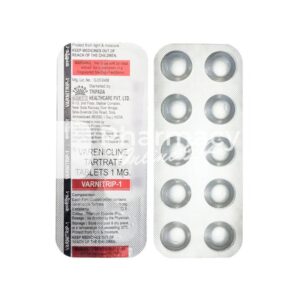
Varenicline, marketed as Champix in the UK, is one of the most successful smoking cessation medications available. It works by partially stimulating nicotine receptors in your brain, reducing cravings and blocking the rewarding effects of smoking simultaneously. Research shows that people using Champix are significantly more likely to quit successfully than those using willpower alone. The medication is typically taken for 12 weeks, with a gradual increase in dosage during the first week.
Bupropion (Zyban)
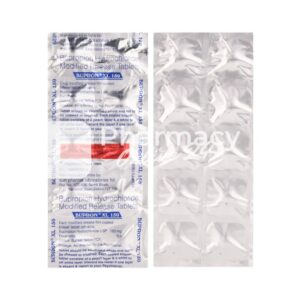
Bupropion, known as Zyban in the UK, is an antidepressant medication that reduces cravings and withdrawal symptoms. It’s particularly helpful for people worried about weight gain after quitting, as it can help maintain stable weight during the cessation process. Bupropion requires a seven-day lead-in period before your quit date and is typically prescribed for seven to nine weeks.
Both medications are available through the NHS in most areas, often provided free or at reduced cost as part of smoking cessation services. Your pharmacist or GP can advise on eligibility and help you access these treatments through local services.
Combination Therapy Approaches
Many people find that combining different smoking cessation methods provides the best chance of success. Your GP or stop smoking service can help create a personalised combination plan.
Combining NRT products—such as using a patch for background nicotine support with gum or lozenges for immediate cravings—often proves more effective than single therapies. This approach maintains consistent nicotine levels whilst allowing flexibility for breakthrough cravings. A 16-hour patch combined with 2mg gum works well for many smokers, providing 24-hour support when needed.
Prescription medications can be combined with NRT in certain circumstances. Some people use Champix alongside a nicotine patch for enhanced support, particularly those who’ve previously struggled with single therapies. Your healthcare provider will determine whether combination therapy is appropriate for you.
Combining medication with behavioural support significantly improves success rates. Stop smoking services across the UK offer free counselling, support groups, and telephone quitlines. Many pharmacies now offer extended services including one-to-one support and regular check-ins. The combination of medication, counselling, and practical support creates the strongest foundation for successfully quitting.
NHS Stop Smoking Services and Support
The NHS provides comprehensive stop smoking services across the UK at no cost to eligible patients. These services combine evidence-based medication with professional support and guidance.
Local stop smoking services employ trained advisors who specialise in helping people quit. They offer free initial assessments, personalised quit plans, and regular follow-up appointments. Many services now operate flexibly, offering face-to-face meetings, telephone support, and digital consultations to suit your lifestyle. Most NHS services provide free or subsidised medications, making professional support accessible to everyone regardless of income.
Your GP is an excellent starting point for accessing support. They can refer you to local services, prescribe cessation medications, and monitor your progress. Many GP surgeries have dedicated smoking cessation clinics with regular appointment slots available.
Pharmacy-based support has expanded significantly. Increasingly, community pharmacies deliver comprehensive stop smoking services, including assessments, medication provision, and ongoing support. Speaking with your local pharmacy is often the quickest way to access help. Pharmacists can advise on suitable treatments, monitor side effects, and provide encouragement throughout your journey.
Practical Tips for Quitting Success
Success requires preparation beyond medication. Most smokers attempt quitting several times before achieving long-term success—this is entirely normal and doesn’t mean you’ve failed.
Identify your smoking triggers—whether stress, certain times of day, or specific situations—and plan alternatives. If you smoke during breaks, plan alternative activities like walks or healthy snacks. If stress triggers smoking, learn relaxation techniques or consider exercise as stress relief.
Tell friends and family about your quit date. Their support and encouragement provide powerful motivation. Consider asking a friend to quit with you for mutual accountability.
Remove smoking reminders from your environment. Throw away cigarettes, lighters, and ashtrays. Clean your clothes and car to eliminate smoke smells that might trigger cravings.
Exercise significantly improves quit success rates. Even short walks reduce cravings and manage weight gain anxiety. Physical activity also improves mood and energy levels.
Keep a quit diary noting when you feel strongest and when cravings hit hardest. Understanding your patterns helps you prepare and plan accordingly.
Most importantly, remember that quitting is a process. If you slip and smoke a cigarette, don’t consider it failure. Stop immediately and return to your quit plan. Nearly all successful quitters have had occasional lapses before achieving permanent success. Speak with your GP or pharmacist about what triggered the slip and adjust your plan accordingly.