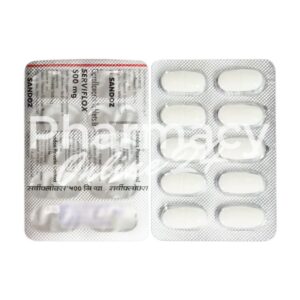
Flagyl

In brief
- Flagyl (metronidazole) is a prescription-only medicine (POM) in the UK.
- Flagyl is used to treat infections caused by anaerobic bacteria and certain protozoa, including bacterial vaginosis, trichomoniasis, giardiasis, amoebiasis, and some dental, abdominal and C. difficile-related infections. It works by entering the organism and damaging its DNA, which stops the microbes from growing and kills them.
- The usual adult dose depends on the condition: 500 mg twice daily for bacterial vaginosis or trichomoniasis, 250 mg three times daily for giardiasis, and 500 mg three times daily for some anaerobic infections or C. difficile, typically for 5–14 days. Always follow the prescribed regimen.
- Flagyl is taken by mouth as tablets or oral suspension, and it is also available as an intravenous infusion solution, vaginal gel, and topical gel or cream.
- It usually starts working within a few hours, although symptom improvement may take 1–2 days depending on the infection and severity.
- The duration of action is roughly 8 hours for standard immediate-release oral doses, which is why it is often taken two to three times daily; treatment courses usually last several days to two weeks.
- Do not drink alcohol during treatment and for at least 3 days after the last dose, as it can cause a severe reaction with flushing, nausea, vomiting, stomach cramps, headache and a fast heartbeat.
- The most common side effects are nausea, a metallic taste, diarrhoea, abdominal discomfort and headache; some people may also feel dizzy or lose their appetite.
- Would you like to try Flagyl without a prescription?
Flagyl at a glance
- INN (international nonproprietary name): Metronidazole
- Brand names available in the United Kingdom: Flagyl; generic metronidazole
- ATC code: J01XD01
- Forms and dosages: tablets 200 mg, 400 mg and 500 mg, oral suspension, IV infusion, topical gel/cream, vaginal gel
- Manufacturers in the United Kingdom: Sanofi, Pfizer, Teva, Zentiva, Krka, Sandoz
- Registration status in the United Kingdom: Authorised by the MHRA; prescription-only
- OTC / Rx classification: Prescription-only medicine (POM)
What Flagyl is and why patients ask for it
Flagyl is the brand name many patients still ask for when they mean metronidazole.
It is a familiar medicine in UK pharmacy practice because it is used for common infections that cause unpleasant symptoms, such as discharge, diarrhoea, smelly infection, or anaerobic coverage after a dental or abdominal procedure.
In everyday UK market reality, people usually meet Flagyl through a pharmacist, GP, dental prescriber, or an e-prescription.
The medicine is authorised by the MHRA and is classified as J01XD01, the nitroimidazole antibacterial group used against anaerobic bacteria and protozoa.
What Flagyl treats in everyday practice
Flagyl is used for problems such as vaginal discharge, offensive-smelling infection, tummy infection, or diarrhoea linked to a specific cause.
It is often chosen for anaerobic infection treatment, BV treatment, and treatment for trichomoniasis, and it is also used for giardiasis, amoebiasis, and some C. diff situations when metronidazole is selected.
It does not treat viral infections, so it will not help with colds, flu, or most sore throats.
For adults, standard regimens are condition-specific and usually last several days, so completing the metronidazole course matters even if symptoms settle quickly.
| Indication | Typical adult dose | Usual duration |
|---|---|---|
| Trichomoniasis | 2 g orally as a single dose, or 500 mg twice daily | 7 days |
| Bacterial vaginosis | 500 mg twice daily | 7 days |
| Anaerobic bacterial infections | 500 mg every 8 hours, oral or IV | 7 to 10 days |
| Amoebiasis | 500 mg to 750 mg three times daily | 7 to 10 days |
| Giardiasis | 250 mg three times daily | 5 to 7 days |
| C. diff when metronidazole is used | 500 mg three times daily | 10 to 14 days |
Brand names and forms
The same medicine may come as tablets, suspension, infusion, a topical gel, or a vaginal gel. Generic metronidazole is widely used alongside the Flagyl brand.
| Form | Usual strength |
|---|---|
| Tablets | 200 mg, 400 mg, 500 mg |
| Oral suspension | 200 mg/5 mL |
| IV infusion solution | 500 mg/100 mL |
| Topical gel or cream | 0.75% |
| Vaginal gel | 0.75% |
- Tablet
- A solid dose swallowed whole with water, commonly used for adult metronidazole treatment.
- Oral suspension
- A liquid preparation for patients who cannot swallow tablets easily, often used in children.
- Infusion
- A sterile IV form used in hospital settings for more serious infection management.
- Vaginal gel
- A local treatment form placed into the vagina, often used for bacterial vaginosis.
Legal status and availability in the UK
Flagyl (metronidazole) is a prescription-only medicine (POM) in the UK.
In our online pharmacy, Flagyl is available without a prescription, with discreet delivery to the United Kingdom in 9–21 days.
How to take Flagyl correctly
The most common mistake is stopping early because the symptoms improve.
That can allow the infection to come back, so the full course should be finished exactly as prescribed.
- Take the dose at the times set by the prescriber, and try to keep the spacing even through the day.
- Swallow tablets with water, and if you have oral suspension, shake the bottle if the label says to do so.
- With food or without food depends on the product label and how your stomach tolerates it, but many patients prefer taking it after a meal if nausea is a problem.
- If a dose is missed, take it when remembered unless it is nearly time for the next dose, and never double up.
- If an overdose is suspected, urgent help is needed, especially if there is vomiting, poor balance, or a seizure.
Children are usually given the oral suspension rather than tablets, because the dose needs to be measured carefully.
For parents, that often means checking the bottle twice before giving a dose, especially on a busy school morning.
Standard doses and who needs adjustments
How much metronidazole is needed depends on the infection, the route, and the patient’s age.
For adult bacterial vaginosis, the usual regimen is 500 mg twice daily for 7 days, while trichomoniasis may be treated with 2 g as a single oral dose or 500 mg twice daily for 7 days.
| Condition | Adult dose | Duration |
|---|---|---|
| Trichomoniasis | 2 g orally once, or 500 mg twice daily | 7 days |
| Bacterial vaginosis | 500 mg twice daily | 7 days |
| Anaerobic bacterial infections | 500 mg every 8 hours | 7 to 10 days |
| Amoebiasis | 500 mg to 750 mg three times daily | 7 to 10 days |
| Giardiasis | 250 mg three times daily | 5 to 7 days |
| C. diff when metronidazole is used | 500 mg three times daily | 10 to 14 days |
Children’s dosing
Children may need paediatric suspension, with dosing based on weight and indication.
For trichomoniasis, the dose is 15 mg/kg/day in divided doses for up to 7 days, while giardiasis or amoebiasis may use 30 to 50 mg/kg/day, up to a maximum of 2 g.
Elderly patients and organ impairment
Older adults usually receive standard adult dosing, but neurological effects should be watched more closely.
Severe liver disease may need a reduced dose or a longer interval, and renal impairment rarely needs a major change unless the patient is on dialysis or has severe impairment.
Safety warnings patients must know before starting
The biggest safety issue is alcohol.
Alcohol should be avoided during treatment and for 3 days after the last dose, because a severe reaction can occur with flushing, tachycardia, and nausea.
Recent disulfiram use is another major problem, and metronidazole should not be started if disulfiram has been taken within 2 weeks.
- Absolute contraindication
- A situation where the medicine should not be used because the risk is too high, such as allergy to metronidazole or other nitroimidazoles, recent disulfiram use, or alcohol during treatment.
- Relative contraindication
- A situation where extra caution is needed and the prescriber may still use the medicine if the clinical need is clear, such as severe liver impairment, pregnancy in the first trimester, breastfeeding, or a history of seizures or neuropathy.
Pregnancy and breastfeeding need careful judgement.
Use in the first trimester should happen only if clearly needed, and breastfeeding is usually avoided or paused during therapy and for 24 hours after the final dose.
Side effects: what’s common, what’s urgent
Most people tolerate metronidazole reasonably well, but side effects do happen.
Nausea and a metallic taste are probably the best-known ones, and diarrhoea, abdominal cramps, and headache are also common.
Some patients notice vomiting, dizziness, loss of appetite, dark urine, or oral or vaginal candidiasis.
Rare but serious effects include peripheral neuropathy, seizures, encephalopathy, and severe allergic reactions.
| Severity | Examples | What to do |
|---|---|---|
| Mild | Nausea, metallic taste, diarrhoea, abdominal cramps, headache | Continue if symptoms are mild, and ask a pharmacist if they are bothersome. |
| Moderate | Vomiting, dizziness, loss of appetite, dark urine, oral or vaginal candidiasis | Seek advice from a pharmacist or GP if it is affecting eating, drinking, or daily life. |
| Serious | Peripheral neuropathy, seizures, encephalopathy, severe allergic reaction | Stop and get urgent medical help. |
- Taking doses after food can help if nausea is a problem.
- Drink enough water, especially if you have diarrhoea.
- Contact a pharmacist if dark urine worries you, because it can happen with metronidazole.
- Seek prompt advice if numbness, tingling, confusion, or fits appear.
Interactions with medicines, supplements, and habits
Pharmacy screening matters here, because metronidazole interacts with common medicines and daily habits.
Warfarin is the classic example, so pharmacists often ask about anticoagulants before handing over Flagyl tablets.
Disulfiram is avoided, alcohol must be stopped, and customers should disclose everything they take, including OTC products and herbal supplements.
People with CNS disorders or liver impairment need extra caution.
| Interaction | Practical risk | What to do |
|---|---|---|
| Alcohol | Flushing, tachycardia, nausea | Avoid during treatment and for 3 days after |
| Disulfiram | Potentially serious reaction | Do not use if taken within 2 weeks |
| Warfarin and other anticoagulants | May need closer monitoring | Tell the prescriber or pharmacist |
| Other prescribed medicines, OTC products, herbal remedies | Unplanned interaction risk | Disclose everything before starting treatment |
Storage
Flagyl should be stored at room temperature, ideally 20 to 25°C.
Keep it away from heat, humidity, and freezing, especially if it is a liquid form.
Bathroom storage is usually a poor choice because moisture can shorten product quality.
Tablets, suspension, or gel are best kept in the original packaging where possible, particularly when travelling.
Quick storage rule: cool, dry, and out of direct heat.
Choosing the right formulation: tablets, suspension, gel, or IV
Not every infection is treated with the same form.
Adults commonly use tablets or capsules, children usually need oral suspension, local vaginal or topical treatment may suit some infections, and IV infusion is generally reserved for hospital care.
| Form | Best for | Practical note |
|---|---|---|
| Tablets and capsules | Most adult infections | Simple to use and widely prescribed |
| Oral suspension | Paediatric use | Useful when a child cannot swallow tablets |
| Vaginal gel and topical products | Local treatment | May reduce systemic exposure |
| IV infusion | Hospital settings | Used for more serious infection management |
The 0.75% vaginal gel is a familiar option for bacterial vaginosis, while the 500 mg/100 mL IV infusion and 200 mg, 400 mg or 500 mg tablets are the formats most often used in practice.
Brand and generic
Flagyl is the best-known brand, but generic metronidazole is widely used across the UK.
A patient may be dispensed a generic equivalent instead of the branded product, and that is normal pharmacy practice when the prescription allows substitution.
Packaging can differ between suppliers, so the box may not look exactly the same.
| Option | Common manufacturers | Practical point |
|---|---|---|
| Flagyl | Sanofi, Pfizer, licensed manufacturers | Brand name many patients recognise |
| Generic metronidazole | Teva, Zentiva, Krka, Sandoz | Equivalent active ingredient with different packaging |
When Flagyl is not the best option
Sometimes a prescriber chooses another medicine because of tolerability, resistance, convenience, or local guidance.
- Clindamycin may be used for anaerobic infections or bacterial vaginosis when metronidazole is not the best fit.
- Tinidazole can be used for some protozoal infections and has a similar mechanism.
The best choice is always the one that matches the prescription and the patient’s history.
For example, a patient with poor tolerance to metronidazole may be moved to a different option, but that decision belongs to the prescriber.
Delivery across the United Kingdom
| City | Region | Delivery time |
|---|---|---|
| London | England | 9–21 days |
| Birmingham | England | 9–21 days |
| Manchester | England | 9–21 days |
| Liverpool | England | 9–21 days |
| Leeds | England | 9–21 days |
| Glasgow | Scotland | 9–21 days |
| Edinburgh | Scotland | 9–21 days |
| Cardiff | Wales | 9–21 days |
| Belfast | Northern Ireland | 9–21 days |
| Sheffield | England | 9–21 days |
| Bristol | England | 9–21 days |
| Newcastle upon Tyne | England | 9–21 days |
| Nottingham | England | 9–21 days |
| Leicester | England | 9–21 days |
Frequently asked questions about Flagyl
Can Flagyl be used without treating the cause?
No, because the medicine should match the confirmed or strongly suspected infection.
That is why a pharmacist or prescriber will usually ask what symptoms are present before recommending it.
Does Flagyl work for a viral infection?
No, it does not treat viral infections.
If symptoms are from a virus, metronidazole will not help and may only add side effects.
Why do some patients receive a generic instead of Flagyl?
Because the active ingredient is the same, and generic supply is common in UK pharmacy practice.
What matters most is that the strength, form, and course length are correct.