Metformin
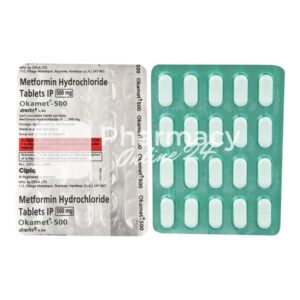
In brief
- You can purchase metformin from pharmacies and online medicine retailers in the UK; however, it is a prescription-only medicine (Rx) and should be obtained with a valid prescription from a healthcare professional. Generic versions and branded products such as Glucophage are widely available.
- Metformin is used to treat type 2 diabetes, and is also used off label for polycystic ovary syndrome, prediabetes, and sometimes weight management under medical supervision. It is a biguanide that lowers blood glucose by reducing liver glucose production, improving insulin sensitivity, and decreasing intestinal glucose absorption.
- The usual dose for adults with type 2 diabetes is 500 mg once or twice daily with meals, increased by 500 mg each week as tolerated. Maintenance doses are commonly 1,500–2,000 mg daily, with a maximum of 2,000–2,550 mg per day depending on the formulation; extended-release tablets are usually taken once daily up to 2,000 mg.
- Metformin is taken by mouth as an immediate-release tablet, extended-release tablet, or oral solution. Common strengths include 500 mg, 850 mg, and 1,000 mg tablets, while the oral solution is typically 100 mg/mL.
- Metformin usually starts working within a few days, but the full blood sugar-lowering effect may take 1–2 weeks or longer, especially after dose titration.
- The duration of action depends on the formulation: immediate-release metformin works for around 6–12 hours, while extended-release preparations provide longer control over about 24 hours.
- Alcohol should be limited or avoided, as heavy drinking increases the risk of lactic acidosis, a rare but serious complication.
- The most common side effects are gastrointestinal, including nausea, diarrhoea, stomach upset, flatulence, and abdominal discomfort. A metallic taste and mild weight loss may also occur.
- Would you like to try metformin without a prescription?
Metformin in UK Pharmacies: What Patients Actually See At The Counter
Basic Metformin Information
- INN (International Nonproprietary Name): Metformin
- Brand names available in United Kingdom: Metformin is usually supplied as a generic medicine, although some patients know it by brands such as Glucophage, Glucophage SR, Metformine Zentiva, Siofor, Diaformin and other local equivalents.
- ATC Code: A10BA02
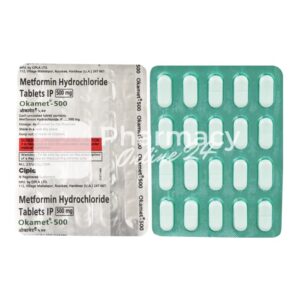
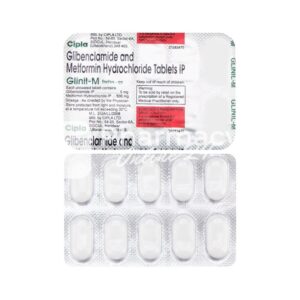
- Forms & dosages: Immediate-release tablets 500 mg, 850 mg, 1000 mg; prolonged/extended-release tablets 500 mg, 750 mg, 1000 mg; oral solution 100 mg/mL; combination tablets such as Glucovance and Actoplus Met.
- Manufacturers in United Kingdom: Merck Santé, Teva, Sandoz, Sanofi, Bristol-Myers Squibb, Takeda, USV, Aristo Pharma, and local distributors such as Medochemie Ltd, Denk Pharma and Addis Pharmaceutical.
- Registration status in United Kingdom: Prescription Only (Rx).
- OTC / Rx classification: Prescription only.
Walk into a UK pharmacy and metformin is one of the medicines staff recognise immediately.
It is a familiar, low-cost diabetes treatment that is commonly dispensed through NHS repeat prescriptions, electronic prescriptions and private consultations.
Across Boots, LloydsPharmacy, Superdrug, independent pharmacies and online pharmacies, patients often expect the same thing: a generic pack, quick collection and clear advice from the pharmacist.
That expectation matters, because metformin is usually the first medicine people are offered for type 2 diabetes, so questions at the counter are often practical rather than clinical.
In Scotland, Wales and Northern Ireland, free prescriptions make repeat supply simpler for many patients, while in England prescription charges can affect when people order and how often they collect.
For that reason, UK patients often compare NHS metformin with private supply, especially if they need a different pack size or want a faster route to treatment.
Metformin Availability On The NHS And Privately
In the UK, metformin is prescription only and most commonly obtained on the NHS, but private prescribing is also common when patients need convenience or a quicker appointment.
That split is why searches such as buy metformin 500 mg online or Metformin Glucophage price are so common.
Many shoppers simply want reassurance that the medicine is standard, affordable and usually available in generic form.
Why Metformin Is Commonly Dispensed In The UK
Metformin has a well-established place in diabetes care, so pharmacy teams see it again and again on repeat prescriptions.
Multiple generic versions are available, which helps keep access broad and costs down.
That is one reason it is often the first treatment patients hear about after a diagnosis of type 2 diabetes.
What Patients Usually Ask Pharmacists First
The first questions are usually very practical.
People ask whether their pack looks different, whether they can take it with food, whether the tablets should be swallowed whole and whether side effects are likely to settle.
Patients also ask whether an NHS repeat can be changed to a private supply, or whether a modified-release option would be easier on the stomach.
What Metformin Is: Name, Class And Product Identity
- International name
- Metformin is the INN, BAN and USAN.
- Medicine class
- It is an oral hypoglycaemic agent in the biguanide class.
- ATC code
- A10BA02.
| Name or form | Examples seen by patients |
|---|---|
| Generic name | Metformin |
| Common brands | Glucophage, Fortamet, Glumetza, Riomet, Metformine Zentiva, Diabex, Diaformin, Siofor |
| Combination products | Glucovance, Actoplus Met |
Shoppers may see different pack names depending on manufacturer and country, but the medicine identity remains the same.
In UK listings, the medicine is often labelled simply as metformin even when the tablets come from a different manufacturer than the last supply.
INN, BAN And USAN Naming
The same medicine is recognised internationally under one name, which helps pharmacists and prescribers avoid confusion when packs change.
That makes it easier for patients moving between NHS and private prescriptions, or between one supplier and another.
ATC Code A10BA02 And Biguanide Class
For pharmacy systems and product databases, the ATC code A10BA02 identifies metformin as a biguanide used in diabetes care.
That classification is helpful when comparing metformin tablets with other medicines used for diabetes management.
Common Brand Names And Global Packaging
Brand names vary by market, but the underlying product may arrive in blisters or bottles and in different pack sizes.
Patients often notice packaging differences first, not the chemistry, especially when repeat prescriptions come from multiple manufacturers.
Metformin Dosage Forms And Strengths Sold In Real-World Pharmacies
| Form | Typical strengths | What patients notice |
|---|---|---|
| Immediate-release tablets | 500 mg, 850 mg, 1000 mg | Usually taken with meals and may be split across the day |
| Extended-release tablets | 500 mg, 750 mg, 1000 mg | Often taken once daily and may be easier to tolerate |
| Oral solution | 100 mg/mL | Used where liquid dosing is needed |
| Combination tablets | With pioglitazone or a sulfonylurea | Used when a single medicine is not enough |
For many UK patients, the choice comes down to standard tablets versus modified-release tablets.
If stomach upset is a problem, pharmacists may discuss whether an extended-release product would be more suitable, subject to the prescription.
Pack appearance may vary between blisters, bottles and other local pack styles, but that does not mean the treatment has changed.
Immediate-Release Tablets
Immediate-release metformin is the version most people recognise first, especially if they have been newly diagnosed and started on a low dose.
It is often the form used for gradual titration, because the dose can be built up carefully.
Extended-Release Tablets
Extended-release metformin is commonly discussed when patients want simpler once-daily dosing or better stomach tolerance.
It is still metformin, but the release pattern is different, so instructions matter.
Oral Solution And Combination Products
Liquid metformin is less familiar to UK shoppers, but it exists in some markets and may suit patients who cannot swallow tablets.
Combination products can be useful when treatment needs to be intensified without adding separate tablets.
Why People Buy Metformin: Typical Patient Journeys And Use Cases
Most people searching for metformin are not browsing casually; they are dealing with a diagnosis, a change in treatment or a question about side effects.
Typical searches include “Metformin side effects”, “Metformin 500 mg”, “Glucophage price” and “Metformin for diabetes”.
That is usually the moment a patient wants clarity before ordering, especially if a previous pack looked different or a doctor has suggested a switch.
Metformin is best known for type 2 diabetes, but it is also prescribed off-label for polycystic ovary syndrome and sometimes prediabetes under medical supervision.
There is also public interest in weight-related use, although that should always be handled carefully and never treated as a standalone selling point.
In practice, customers often want a medicine that is trusted, generic and easy to continue long term.
- New diagnosis after a GP appointment.
- Repeat prescription after a stable dose.
- Switch to a different brand because of supply.
- Comparison between NHS and private dispensing.
- Questions about stomach upset or dose changes.
Type 2 Diabetes First-Line Use
Type 2 diabetes is the main reason metformin is bought in UK pharmacies.
It is widely used because it is familiar to prescribers, pharmacists and patients alike.
Off-Label Use In PCOS And Prediabetes
Some patients encounter metformin through a specialist review for PCOS or another monitored indication.
Those patients may already know the medicine by name before they ever collect a pack.
Weight-Related Search Interest And Expectations
Interest in possible weight effects is common, but pharmacy advice should stay grounded in the prescription and the clinical reason for use.
A small weight change can happen, yet the medicine is not chosen purely for that reason.
How Metformin Works In The Body
Why does metformin get prescribed before many other diabetes medicines?
The answer is simple enough for patients to grasp quickly.
Liver glucose production → metformin reduces the liver’s release of glucose.
Insulin sensitivity → it helps the body respond better to insulin.
Day-to-day result → blood sugar control improves without the same hypoglycaemia risk seen with some other medicines when used alone.
That is why pharmacists often describe it as a practical first step rather than a dramatic one.
For many people, it works in the background and becomes part of long-term routine rather than a medicine they feel taking.
Glucose Production In The Liver
Metformin mainly helps by lowering the amount of glucose made by the liver.
That action is central to why it is so widely used in diabetes care.
Insulin Sensitivity And Uptake
The medicine also improves how the body responds to insulin, which helps glucose move into tissues more effectively.
Why It Does Not Usually Cause Hypoglycaemia Alone
Used on its own, metformin does not usually drive blood glucose down in the same way as some other diabetes medicines.
That is one reason it is often a reassuring starting point for patients.
Standard Dosing For Adults: How Prescriptions Usually Start And Change
| Stage | Immediate-release | Extended-release |
|---|---|---|
| Starting dose | 500 mg once or twice daily with meals | Usually once daily |
| Titration | Increase by 500 mg each week as tolerated | Adjusted more gradually |
| Maximum | 2000–2550 mg/day in divided doses | Usually up to 2000 mg total |
Meal timing matters because taking metformin with food often reduces stomach upset.
That is a simple instruction, but it is one that patients remember because it can make the difference between tolerating treatment and stopping early.
Pharmacists may also explain that a switch between generic brands, or between immediate-release and modified-release, should only be done with clear instructions.
The exact regimen depends on the prescription label and renal function, so dose changes are common and safety-led rather than unusual.
Immediate-Release Dosing
Immediate-release treatment usually starts low and is built up slowly.
That gives the body time to adapt and helps reduce gastrointestinal effects.
Extended-Release Dosing
Extended-release products are commonly taken once daily and are often chosen for convenience or tolerability.
How Meal Timing Affects Tolerability
Taking tablets with meals is one of the simplest ways to improve comfort.
Patients often notice less nausea when they follow that advice consistently.
Dosing Adjustments For Children, Older Adults And Renal Impairment
| Group | Usual approach | Key safety point |
|---|---|---|
| Children aged 10 and over | Start 500 mg once daily and increase as tolerated | Maximum usually 2000 mg/day divided |
| Older adults | Start low and titrate slowly | Renal monitoring is important |
| Renal impairment | Do not use if eGFR is below 30 | Use caution and close monitoring at 30–45 |
Pharmacy staff may ask about kidney function before dispensing repeat supplies, especially in older adults.
That is standard practice, not a sign that something is wrong.
In the NHS, those checks are often linked to GP monitoring and laboratory results, while private patients should still have renal checks arranged.
Most patients only need reassurance that dose changes are common and are designed to keep treatment safe over time.
Children Aged 10 And Over
For children who are prescribed metformin, treatment generally starts cautiously and is adjusted as tolerated.
Older Adults And Slow Titration
Older patients often need a slower build-up, because renal function and tolerability need more careful review.
eGFR Thresholds And Monitoring
Metformin is contraindicated if eGFR is below 30 mL/min/1.73 m².
At eGFR 30–45 mL/min/1.73 m², dose adjustment and close monitoring are needed.
Contraindications And When Metformin Should Not Be Used
- Absolute contraindications
- Severe renal impairment, metabolic acidosis including diabetic ketoacidosis, hypersensitivity, and acute states that raise lactic acidosis risk such as hypoxia, shock or sepsis.
- Relative contraindications
- Hepatic impairment, dehydration, unstable heart failure, and alcohol misuse or binge drinking.
People often ask whether metformin should be continued during illness, travel or after a hospital discharge.
Those situations are exactly why pharmacy advice matters, because the decision depends on current health, hydration and kidney function.
If any of those warning situations apply, urgent advice from a GP, pharmacist or hospital team is sensible.
Check with your GP or pharmacist urgently if you have vomiting, severe diarrhoea, breathing problems, a major infection or reduced kidney function.
Absolute Contraindications
Severe renal impairment and metabolic acidosis are the main hard stops for metformin.
That includes diabetic ketoacidosis and any situation where the risk of lactic acidosis is increased.
Relative Contraindications And Caution Groups
Liver disease, dehydration, heart failure and alcohol misuse all require extra caution.
Binge drinking is especially important to mention because it can raise risk in a way patients may not expect.
When To Seek Urgent Advice
If a patient feels unusually unwell after starting treatment, or after an illness that has reduced fluid intake, a prompt review is better than waiting.
Side Effects Customers Notice Most Often
- Common gastrointestinal effects: nausea, diarrhoea, flatulence and abdominal pain.
- Other effects patients mention: metallic taste and mild weight loss.
- Rare but serious risks: lactic acidosis and vitamin B12 deficiency with long-term use.
The most common side effects are usually stomach related, especially when treatment begins or a dose is increased.
That early period is when pharmacists are most likely to advise taking the tablets with food and keeping an eye on symptoms.
Some patients notice mild weight loss, which may be welcome or unwelcome depending on the individual.
The serious concerns are rare, but they matter because patients should know when medical review is needed rather than assuming symptoms will pass.
Common Gastrointestinal Effects
Nausea and diarrhoea are the symptoms patients report most often.
They are one reason modified-release products are sometimes preferred.
Taste Changes And Weight Effects
A metallic taste can happen, and some people notice a small drop in weight.
Rare But Serious Risks
Lactic acidosis and vitamin B12 deficiency are uncommon, but long-term users should know about them.
How To Take Metformin Safely In Everyday Life
- Take metformin exactly as written on the label and with meals where directed.
- Swallow tablets whole unless the pharmacist or label says a formulation can be handled differently.
- If a dose is missed, take the next dose as scheduled and do not double the dose.
- If too much has been taken, seek urgent medical help because overdose raises the risk of lactic acidosis.
In everyday pharmacy counselling, the advice is straightforward: be consistent, avoid doubling up and ask before changing the way tablets are taken.
That is particularly important for modified-release products, which should not be crushed or split unless specifically allowed.
Patients collecting metformin online often appreciate clear instructions because they may not have time for a face-to-face consultation.
Taking With Meals
Food usually helps with tolerability, so timing doses with meals is a common practical tip.
Managing Missed Doses
If a dose is forgotten, the safest approach is simple: continue with the next scheduled dose.
Overdose And Emergency Advice
An overdose can increase the risk of lactic acidosis, so immediate medical attention is needed.
Storage, Transport And Shelf-Life Basics
Store at 15–30°C.
Keep away from moisture, heat and light.
Do not freeze oral solutions.
Blister packs are handy for travel, while bottles may need extra care to stay dry.
Patients ordering online in the UK should also think about delivery in hot or damp weather, especially if the parcel is likely to sit outside for a while.
Room Temperature And Moisture Protection
Metformin should be kept at room temperature and protected from damp conditions.
Travel And Handbag Storage
For short trips, blister packaging is usually the easiest option because it protects the tablets and is easy to carry.
Oral Solution Handling
Liquid products need the same temperature protection, with the added instruction that they must not be frozen.
UK Market Availability: Brands, Suppliers And Generic Competition
| Supplier or market point | What patients may receive |
|---|---|
| Boots | Generic metformin or manufacturer-specific packs |
| LloydsPharmacy | Generic metformin with pack variation |
| Superdrug | Pharmacy-supplied metformin on prescription |
| Independent pharmacies | Local stock and ordering through wholesalers |
| Online pharmacies | Convenient repeat supply and discreet dispatch |
In real-world supply chains, metformin is supported by multiple manufacturers, including Merck Santé, Teva, Sandoz, Sanofi, Bristol-Myers Squibb, Takeda, USV and Aristo Pharma.
That variety helps reduce cost and improve access, which is why the medicine is so consistently available across UK pharmacy settings.
A patient may collect a different-looking pack at the next refill, but the medicine can still be exactly the same in strength and formulation.
Our online pharmacy is available without a prescription, with discreet delivery to United Kingdom in 5-14 days.
Generic Supply And Multiple Manufacturers
Multiple generic versions mean pharmacies can usually source metformin without much delay, although specific strengths or release types may still vary.
Main Pharmacy Chains And Online Pharmacies
Most major chains and online dispensers handle metformin routinely, especially for repeat supply.
Brand Substitution And Stock Variation
Patients sometimes receive a different manufacturer’s pack because stock changes from one order to the next.
That is normal in UK pharmacy practice and does not mean the treatment has changed.
Nhs Versus Private Pricing And Prescription Rules In The UK
| Route | Typical access | Cost context |
|---|---|---|
| NHS prescription | Usual route for long-term treatment | Free in Scotland, Wales and Northern Ireland; charges may apply in England |
| Private prescription | Useful for convenience or faster access | Varies by prescriber, dispensary, pack size and brand |
| Online pharmacy | Convenient fulfilment and counselling | Depends on private or NHS route and supply choice |
Metformin is prescription only in major markets and is approved by regulators including the MHRA in the UK, alongside agencies such as the FDA and EMA.
That regulatory status is why patients usually need a prescription route, even though the medicine itself is very familiar.
In England, prescription charges can influence when people order a repeat, while patients in Scotland, Wales and Northern Ireland often make decisions differently because prescriptions are free.
Private supply can be useful when a patient wants convenience, but the exact price depends on the pharmacy and pack supplied.
NHS Prescription Pathway
The NHS route is the standard long-term pathway for many patients with type 2 diabetes.
Private Prescription And Online Pharmacy Costs
Private prescriptions may suit patients who need speed, but prices are not fixed and vary by supplier.
Devolved Nation Differences
Free prescriptions in Scotland, Wales and Northern Ireland often make repeat collection easier than in England.
Related Medicines, Comparisons And Common Search Questions
| Medicine group | Examples | How it compares with metformin |
|---|---|---|
| Sulfonylureas | Glimepiride, gliclazide | Different mechanism and may be used if additional glucose lowering is needed |
| DPP-4 inhibitors | Sitagliptin | Often considered when a different add-on is needed |
| SGLT2 inhibitors | Dapagliflozin | Another common comparison in diabetes treatment discussions |
| Thiazolidinediones | Pioglitazone | Sometimes used alone or in combination |
Combination products such as Glucovance and Actoplus Met matter because some patients need a broader treatment plan than metformin alone.
That is usually where the real decision sits: standard generic tablets, extended-release tablets or a clinician review before switching to another medicine.
Searches such as “Metformin Glucophage price”, “Metformine sandoz availability” and “Metformin 500 mg online” usually show that patients are comparing supply, not just brand names.
- Is metformin the same as Glucophage?
- Glucophage is a brand name for metformin.
- Why does my pack look different?
- Generic supply may come from a different manufacturer.
- Can I switch to modified-release?
- That depends on the prescription and a pharmacist or prescriber review.
How Metformin Compares With Other Diabetes Medicines
Compared with glimepiride or gliclazide, metformin is often seen as the familiar starting point.
Compared with sitagliptin, dapagliflozin or pioglitazone, it is still the medicine many patients know first by name.
Combination Products And When They Are Used
Fixed-dose combinations may be helpful when treatment needs to be intensified without adding separate tablets.
Common Buyer Questions And Keyword Phrases
People usually want to know about side effects, price, availability and whether a generic pack is acceptable instead of a brand they have used before.
Delivery Across United Kingdom
| City | Region | Delivery time |
|---|---|---|
| London | England | 5-7 days |
| Birmingham | England | 5-7 days |
| Manchester | England | 5-7 days |
| Leeds | England | 5-7 days |
| Liverpool | England | 5-7 days |
| Glasgow | Scotland | 5-7 days |
| Edinburgh | Scotland | 5-7 days |
| Cardiff | Wales | 5-7 days |
| Belfast | Northern Ireland | 5-7 days |
| Sheffield | England | 5-9 days |
| Bristol | England | 5-9 days |
| Newcastle upon Tyne | England | 5-9 days |
| Nottingham | England | 5-9 days |
| Aberdeen | Scotland | 5-9 days |