Paxil Cr
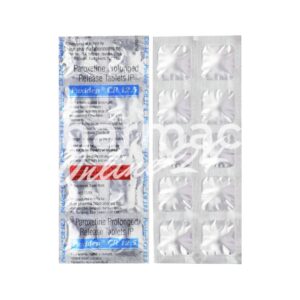
In stock
12,5mg · 25mg · 37,5mg
from 66,21 £
In brief
- Paxil CR packs paroxetine, an SSRI for depression and several anxiety disorders, into a controlled-release tablet.
- Strengths of 12.5, 25 and 37.5 mg are listed, with 30 to 180 tablets per pack (30 to 120 for 37.5 mg).
- No controlled-release paroxetine is listed in the UK and paroxetine is prescription-only; a prescriber decides on use.
Paxil CR: paroxetine in a slow-release tablet
Paxil CR releases paroxetine, a member of the SSRI family, gradually over the day. By slowing the removal of serotonin from the gaps between nerve cells, paroxetine raises the level of the chemical messenger there, which over a few weeks can lift mood and damp down anxiety. The UK SmPC for paroxetine covers depression, OCD, panic disorder, social anxiety, generalised anxiety and PTSD. The tablets treat these illnesses, they do not cure them, and they are not for under-18s.
How the listing relates to UK products
Strength choices are 12.5, 25 and 37.5 mg. The two lower strengths are sold in 30, 60, 90, 120 or 180, the highest in 30, 60, 90 or 120. In Britain, paroxetine tablets come in 10, 20, 30 and 40 mg, the branded Seroxat is no longer marketed, and no tablet called Paxil CR appears on the electronic medicines compendium. The dosing in this text therefore comes from the standard paroxetine SmPC, and the controlled-release strengths here do not correspond to it. A prescriber who preferred a UK paroxetine tablet would work out the dose afresh instead of converting milligram for milligram.
Dosing in the SmPC, and how it applies to Paxil CR
Most uses begin at 20 mg a day, raised in 10 mg steps if needed to a maximum of 50 mg. Obsessive compulsive disorder and panic disorder may be treated up to 40 mg, with an upper limit of 60 mg, and panic treatment starts lower, at 10 mg. Elderly patients are held to 40 mg, and those with liver or severe kidney impairment get lower doses. The tablet is taken in the morning with food. To stop, the dose is reduced gradually, for instance by 10 mg a week.
Exclusions and conditions needing care
Start paroxetine at least two weeks after stopping an irreversible MAOI or at least 24 hours after stopping a reversible MAOI such as moclobemide; wait at least one week after stopping paroxetine before starting any MAOI. The SmPC also forbids paroxetine alongside thioridazine or pimozide. More care is needed in epilepsy, glaucoma, diabetes, heart disease, bleeding disorders, mania and low sodium. Like other antidepressants, paroxetine can bring on or worsen suicidal thoughts, mostly in people under 25, so any worrying change in mood should be reported at once.
Interactions and what to avoid
Tramadol, triptans, lithium and St John’s wort can combine with paroxetine to cause serotonin syndrome, with agitation, sweating, tremor and a fast heartbeat. Paroxetine blocks CYP2D6 strongly, which can weaken tamoxifen. Blood-thinning drugs, aspirin and other NSAIDs raise the chance of bleeding. The SmPC does not recommend alcohol. Mention all medicines, prescribed or bought, to the prescriber.
Effects, withdrawal and the morning routine
Nausea, sleepiness, sweating, tremor, dizziness, a dry mouth, constipation, weight gain and sexual difficulties are among the commoner reactions. Missing doses or stopping abruptly can produce dizziness, pins and needles, anxiety and vivid dreams, which is why tapering is advised. Taking the tablet at the same hour each morning, and noting mood and sleep in a short diary, helps the prescriber judge progress. Whether Paxil CR or a UK paroxetine product is suitable is for a doctor to decide.