Quetiapine

In brief
- Quetiapine from Pharmacy Online 24 can be chosen as 25mg (packs of 30 to 360), 50mg or 100mg (30 to 180), 200mg (30 to 120) or 300mg (30 to 90), with delivery across the UK in 9–21 days.
- Through its effect on dopamine and serotonin pathways, this second-generation antipsychotic helps control psychosis, mania and the low phase of bipolar disorder.
- It has no licence for behavioural problems in dementia, as elderly people on it face greater risks of stroke and death; any dose change should be agreed with the treating team.
- Do not combine it with strong CYP3A4 inhibitors (for example clarithromycin, ketoconazole or some antiretrovirals); it may also prolong the QT interval, so heart rhythm can need checking.
- Putting on weight, constipation and a fast pulse are common, abrupt discontinuation may cause insomnia and nausea, and fever or sore throat should be reported without delay. It is a POM.
Basic quetiapine information
- INN (international nonproprietary name): Quetiapine
- Brand names available in the United Kingdom: Seroquel, Seroquel XL (prolonged-release), and generic quetiapine tablets
- ATC code: N05AH04
- Forms and dosages: immediate-release tablets 25 mg, 100 mg, 150 mg, 200 mg, 300 mg (generics also 50 mg); prolonged-release tablets 50 mg, 150 mg, 200 mg, 300 mg, 400 mg
- Manufacturers in the United Kingdom: AstraZeneca (Seroquel) and several generic manufacturers
- Registration status in the United Kingdom: Licensed by the MHRA; prescription-only medicine
- OTC / Rx classification: Prescription-only medicine (POM)
Quetiapine at a glance
What it is sold as in the UK
Quetiapine is supplied under a brand name such as Seroquel or Seroquel XL, or as generic quetiapine.
It is an MHRA-approved, prescription only medicine, so it is supplied after a prescriber has decided it is suitable.
At a glance:
- ATC code: N05AH04.
- Class: atypical antipsychotic, also called a second-generation antipsychotic.
- Immediate-release strengths: 25 mg to 300 mg (generics also 50 mg).
- Prolonged-release (XL) strengths: 50 mg to 400 mg.
- Branded and generic supply are both common in the UK market.
How it is packaged and dispensed
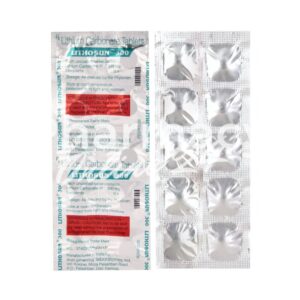
In practice, quetiapine comes in blister packs, strips, or bottles, and pharmacies commonly supply 30 or 60 tablets per box.
The packaging can vary by manufacturer, by whether the medicine is branded or generic, and by the national presentation used by that supplier.
A patient collecting quetiapine 100 mg tablet uses might notice that the tablet colour, shape, or carton design changes even though the active ingredient is the same.
That is normal, and it often reflects supply-chain differences rather than a change in treatment.
What people notice in real use
The first thing many patients mention is sedation, followed by sleepiness, appetite changes, or feeling a bit light-headed when standing up.
That is why timing and driving are such frequent questions at the counter.
Some people feel calmer and sleep better soon after starting, while others mainly notice daytime drowsiness if the dose is taken too late.
Brand names, strengths and packaging: choosing the right product
| Product type | Practical difference | What patients usually notice |
|---|---|---|
| Immediate-release | Usually taken in divided doses | Can feel more sedating soon after dosing |
| Prolonged-release / XL | Designed for once-daily dosing in many regimens | Smoother release over the day or night |
| Brand supply | Seroquel or Seroquel XL | Recognisable presentation and labelling |
| Generic supply | Same active ingredient | Appearance and packaging may change |
Immediate-release quetiapine is supplied as 25 mg, 100 mg, 150 mg, 200 mg and 300 mg tablets (generics also 50 mg).
Prolonged-release quetiapine (XL) is supplied as 50 mg, 150 mg, 200 mg, 300 mg and 400 mg tablets, which helps prescribers match dosing to the condition being treated.
Who quetiapine is prescribed for in UK practice
Is this medicine only for severe illness, or can it be used for different mental health problems?
In UK practice, the main licensed uses are schizophrenia and bipolar disorder.
That is why quetiapine uses are discussed so often in long-term medicines reviews and repeat dispensing.
For schizophrenia, treatment is often measured in years, with periodic re-assessment rather than short courses.
For bipolar disorder, acute treatment may run for weeks to months before the prescriber decides whether maintenance therapy is needed.
- Schizophrenia
- A long-term psychotic disorder where treatment may continue for years.
- Bipolar disorder
- A mood disorder where quetiapine may be used in mania and, in some regimens, depression.
- Adjunct in depression
- Used in some settings, depending on local guidance and prescriber judgement.
Pharmacists often see repeat prescriptions because maintenance therapy is common, particularly when a patient is stable and the dose has already been established.
That is also why schizophrenia medication counselling tends to focus on consistency, side effects, and not missing doses.
How quetiapine works and what that means in daily life
People usually want a plain-English explanation: what does it actually do?
Quetiapine is an atypical antipsychotic, meaning it works on dopamine and serotonin receptors in the brain rather than acting like a simple sedative.
That receptor action helps explain why it can reduce symptoms in psychiatric conditions, while also causing quetiapine side effects such as drowsiness or dizziness.
Visual guide:
Dopamine and serotonin signals are involved in mood, thinking, and perception.
Quetiapine changes those signals in a controlled way.
For some patients that means calmer thoughts and better sleep.
For others it means a heavy first-week tiredness, especially if the dose is started or increased quickly.
Because it is a second-generation antipsychotic, individual response can vary quite a bit.
Standard dosing
| Condition | Initial dose | Target dose range | Maximum daily dose |
|---|---|---|---|
| Schizophrenia in adults | 50 mg twice daily IR | 300–400 mg/day in divided doses | 750 mg/day IR |
| Bipolar disorder | 50 mg once or twice daily | Up to 400 mg/day for mania, 300 mg/day for depression | 800 mg/day for mania |
| Adjunct in depression | 50 mg daily (prolonged-release) | Up to 300 mg/day | 300 mg/day |
Doses are titrated over several days to reduce adverse effects, which is why a quetiapine dosage schedule often looks gradual rather than fixed from day one.
A patient starting quetiapine 50 mg may be told that the dose can rise later, depending on response and tolerability.
In schizophrenia, the usual target range is 300 to 400 mg daily, while higher doses may be used under specialist care up to the stated maximum.
In bipolar mania, higher daily doses are possible, and in depression the target tends to be lower.
Dose adjustments for age, liver function and special groups
Some patients need a slower, more cautious start than others.
Older adults are usually started on lower doses, such as 25 mg twice daily, because they are more vulnerable to falls, orthostatic hypotension and central nervous system effects.
Children and adolescents are a specialist area: quetiapine is not recommended for under-18s in the UK, and any use must be directed by a specialist.
For hepatic impairment, a lower initial dose is recommended and titration should be slow.
Renal impairment usually does not need a major adjustment, but clinical monitoring still matters.
Caution: if an older patient feels faint when getting out of bed, or if a family notices more confusion than expected, the dose needs review promptly.
How to take quetiapine safely at home
- Take it exactly as prescribed, at the same time each day where possible.
- Timing matters because quetiapine can be sedating, especially early on.
- If a dose is missed, take it when remembered unless it is close to the next dose.
- Never double up to make up for a missed dose.
- Be careful with alcohol, as it can add to drowsiness.
- Do not drive if you feel sleepy, dizzy, or less alert than usual.
That missed dose rule is the one patients forget most often, especially when routines change at weekends.
Driving on quetiapine is a common concern because sedation can affect reaction time even when the medicine is otherwise working well.
Common side effects
The common effects are usually the ones people notice first.
- Drowsiness or sedation — common, especially at the start.
- Dizziness or orthostatic hypotension — standing up too quickly can make this worse.
- Dry mouth — often manageable with fluids and sugar-free gum.
- Weight gain — something to monitor over time.
- Increased appetite — can appear early in treatment.
- Constipation — worth addressing before it becomes troublesome.
- Mild tachycardia — a faster pulse can occur.
- Headache — often mild, but worth mentioning if persistent.
Some sedation can be expected, particularly after initiation or dose increases, but heavy daytime sleepiness that affects work, parenting or driving should be reviewed.
Practical management often helps: drink enough fluids, stand up slowly, and keep an eye on appetite and weight from the beginning rather than waiting for a problem to build.
Patients on quetiapine tablets often do better when they link the dose to a consistent evening routine, especially if sleepiness is part of the treatment benefit.
Serious risks and red flags: when urgent advice is needed
Warning: quetiapine can be very useful, but some risks need prompt attention.
- Cardiovascular issues such as arrhythmias, QT prolongation and orthostatic hypotension.
- Metabolic effects including diabetes risk, weight gain and metabolic syndrome.
- Neurological safety issues such as seizures, severe sedation, confusion or falls.
- Dementia-related psychosis in older adults, where mortality risk is increased.
Patients with a history of cardiovascular disease, seizures, diabetes, hepatic impairment, or metabolic risk factors are usually monitored more closely.
If someone becomes unusually difficult to wake, faints, has palpitations, or shows marked confusion, urgent medical advice is needed.
In the elderly, any sudden decline in balance or alertness should be taken seriously because the consequences of a fall can be significant.
Contraindications and interactions
| Interaction area | What to check | Why it matters |
|---|---|---|
| Hypersensitivity | Previous allergy to quetiapine or excipients | Do not use if this is known |
| CYP3A4 inhibitors | Ketoconazole and other potent inhibitors | Can require dose adjustment |
| Sedatives and alcohol | Sleeping tablets, alcohol, other CNS depressants | Can increase drowsiness and impairment |
| Antihypertensives | Medicines that lower blood pressure | May add to dizziness or faintness |
| Antidepressants and other psychotropics | Full medication review | Helps avoid additive effects and duplication |
The most important interaction to remember is with potent CYP3A4 inhibitors such as ketoconazole.
Because quetiapine is metabolised through this pathway, the prescriber may need to adjust the dose if such medicines are used.
That is why a proper medication review matters: it is important to know what else the patient is taking.
Overdose, emergency advice and storage
An overdose can cause drowsiness, tachycardia, hypotension and coma.
There is no specific antidote; seek urgent medical help (NHS 111, or 999 in an emergency).
Management is supportive and may include airway protection and cardiac monitoring.
At home, store quetiapine at room temperature, between 15 and 30°C.
Keep it in the original packaging and protect it from moisture and light.
If a child or another person takes tablets accidentally, urgent help should be sought immediately, even if they seem well at first.
Legal status and availability in the UK
Quetiapine is a prescription-only medicine (POM) in the UK.
In our online pharmacy, quetiapine is available without a prescription, with discreet delivery to the United Kingdom in 9–21 days.
Comparing quetiapine with similar antipsychotics
| Medicine | Typical practical difference | Common patient consideration |
|---|---|---|
| Olanzapine | Similar antipsychotic use | Often compared for weight gain and sedation |
| Risperidone | Different side-effect balance | May suit a different symptom profile |
| Aripiprazole | Distinct tolerability profile | Sometimes chosen when less sedation is wanted |
| Ziprasidone | Another atypical antipsychotic option | Specialist choice in some patients |
| Clozapine | Specialist-led treatment | Usually used when other options are unsuitable |
Quetiapine vs olanzapine is a common comparison because both can be effective but may differ in sedation and metabolic burden.
Risperidone alternative discussions often centre on tolerability and the patient’s previous response to antipsychotic treatment.
When less daytime sedation is the goal, a prescriber may consider a different option such as aripiprazole, depending on the clinical picture.
Quetiapine may be preferred when night-time dosing, bipolar use, or flexible tablet strengths are important.
Delivery across the United Kingdom
| City | Region | Delivery time |
|---|---|---|
| London | Greater London | 9–21 days |
| Birmingham | West Midlands | 9–21 days |
| Manchester | North West England | 9–21 days |
| Glasgow | Scotland | 9–21 days |
| Edinburgh | Scotland | 9–21 days |
| Cardiff | Wales | 9–21 days |
| Belfast | Northern Ireland | 9–21 days |
| Liverpool | North West England | 9–21 days |
| Leeds | Yorkshire and the Humber | 9–21 days |
| Bristol | South West England | 9–21 days |
| Sheffield | Yorkshire and the Humber | 9–21 days |
| Nottingham | East Midlands | 9–21 days |
| Newcastle upon Tyne | North East England | 9–21 days |
| Leicester | East Midlands | 9–21 days |
| Aberdeen | Scotland | 9–21 days |
Final points to remember before starting or refilling
Quetiapine is a widely used prescription only medicine in the UK, most often seen as Seroquel, Seroquel XL or generic quetiapine.
Its strengths, packaging and supplier names can vary, but the core counselling points stay the same: take it as directed, watch for sedation, and keep an eye on weight, dizziness and appetite changes.
For many patients, the key to good use is simple: steady routine, honest reporting of side effects, and a medication review when anything changes.
If there is uncertainty about dose, interactions or suitability, the safest next step is to speak to a pharmacist or prescriber before continuing.