Mebendazole
In brief
- Mebendazole is a prescription medicine in the UK in most settings.
- Mebendazole is an anthelmintic used to treat worm infections such as pinworm, roundworm, whipworm and hookworm. It works by blocking the worms’ uptake of glucose, which depletes their energy stores and leads to their death.
- The usual dose depends on the infection: for pinworm, 100 mg once, with a repeat dose after 2–3 weeks if needed; for Ascaris, Trichuris or hookworm, 100 mg twice daily for 3 days; for some other helminth infections, 200 mg twice daily for 3 days. Children under 2 years should only use it if prescribed by a specialist.
- Mebendazole is taken by mouth as tablets, chewable tablets, or oral suspension. Common strengths include 100 mg tablets and oral suspensions such as 20 mg/mL or 100 mg/5 mL.
- It usually starts working within a few hours, although relief from symptoms may take longer and depends on the type and severity of the infection.
- The duration of action is generally short, with most treatment courses lasting 1–3 days; for pinworm, a repeat dose after 2–3 weeks may be needed to prevent reinfection.
- The most common side effects are abdominal pain, diarrhoea and nausea. Headache, rash, urticaria and raised liver enzymes can also occur.
- Would you like to try mebendazole without a prescription?
Mebendazole at a glance
- International nonproprietary name: mebendazole
- Common UK brand name: Vermox
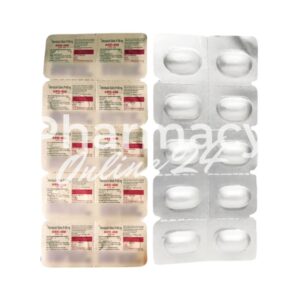
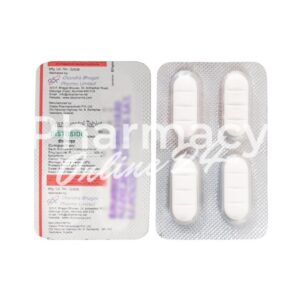
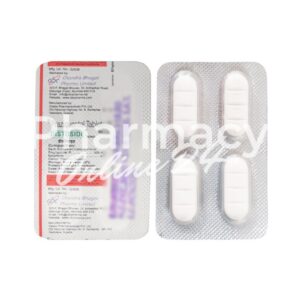
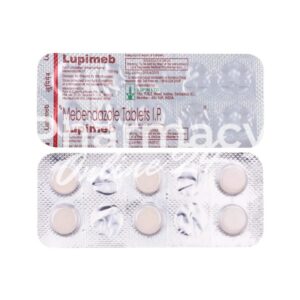
- Usual dosage forms: 100 mg tablets in blister packs, suspension
- Typical place in care: NHS prescription or private pharmacy supply after a pharmacy consultation
- Most common use: threadworm treatment, especially for families and children
Mebendazole is an anthelmintic tablet used for intestinal worms, most often threadworm (pinworm) in children and families. Vermox is the UK brand name.
In the UK it is a prescription medicine in most settings.
Basic mebendazole information
- INN (international nonproprietary name): Mebendazole
- Brand names available in the United Kingdom: Vermox
- ATC code: P02CA01
- Forms and dosages: Tablets 100 mg, chewable tablets 100 mg, oral suspension 20 mg/mL, 100 mg/5 mL, 30 mL
- Registration status in the United Kingdom: Prescription medicine in most settings
- OTC / Rx classification: Prescription-only medicine (POM) in most settings
What mebendazole is and how it works against worms
- Core definition
- mebendazole is a benzimidazole derivative and an antinematodal agent with the ATC code P02CA01.
- What that code means
- P covers antiparasitic products, P02 covers anthelmintics, P02C covers antinematodal agents, and P02CA identifies benzimidazole derivatives.
- How it acts in the body
- It disrupts worm energy uptake and survival, which makes it useful for intestinal helminths rather than all parasitic infections.
That mechanism matters because not every parasite behaves in the same way.
When someone asks for an anti-worm tablet, the pharmacist still needs to check which worm is suspected, because mebendazole is aimed at intestinal worms such as threadworm and roundworm.
It is a targeted treatment, not a catch-all cure for every infection people think of when they hear “worms”.
For that reason, mebendazole mechanism is discussed in pharmacy counselling alongside the likely diagnosis, symptom pattern, and the need for repeat treatment in family outbreaks.
Which worm infections mebendazole is used for in practice
| Infection | Typical use | Usual regimen |
|---|---|---|
| Pinworm / threadworm (Enterobius) | Most common use, frequent in children and households | 100 mg once; repeat after 2–3 weeks if needed |
| Roundworm (Ascaris) | Intestinal worms diagnosed or suspected by a clinician | 100 mg twice daily for 3 days |
| Whipworm (Trichuris) | Less common, but within the standard use profile | 100 mg twice daily for 3 days |
| Hookworm | Clinician-directed treatment where appropriate | 100 mg twice daily for 3 days |
| Strongyloides | Less common and usually more specialised | 200 mg twice daily for 3 days, sometimes longer |
| Taenia | Used when the clinician considers it suitable | 200 mg twice daily for 3 days, sometimes longer |
The key point is that threadworm treatment may need repeat dosing after a couple of weeks, especially when reinfection is likely at home or school.
In practice, that is why pharmacists ask about other household members, recent symptoms, and whether anyone has already treated the whole family.
For intestinal worms, the main aim is not just to clear one person, but to stop the cycle repeating.
Mebendazole forms and strengths
| Brand name | Dosage forms |
|---|---|
| Vermox | Tablets 100 mg (blister), chewable tablets 100 mg, suspension |
Mebendazole suspension is more often used for children or people who cannot swallow tablets.
How to take mebendazole: doses, timing, and practical use by age
| Condition | Adults & children over 2 years | Typical duration |
|---|---|---|
| Pinworm (Enterobius) | 100 mg once | Repeat after 2–3 weeks if needed |
| Ascaris, Trichuris, Hookworm | 100 mg twice daily | 3 days |
| Strongyloides, Taenia | 200 mg twice daily | 3 days, sometimes longer |
| Children under 2 years | Not generally recommended unless prescribed by a specialist | Specialist-only |
A common question is whether mebendazole dosage changes with age.
For most adults and children over 2 years, the standard worm treatment dose is straightforward, but children under 1 year are not recommended to receive it, and children aged 1 to 2 years need extra caution.
If reinfection is a risk, a repeat dose after 2–3 weeks helps prevent threadworm coming back.
That matters in family treatment plans, because one child’s infection can easily spread through a household.
In our online pharmacy, mebendazole is available without a prescription, with discreet delivery to the United Kingdom in 9–21 days.
Practical use is usually simple: take it exactly as directed, complete the course if multiple doses are needed, and follow hygiene measures to reduce reinfection.
Who should avoid mebendazole, and who needs extra caution
- Absolute contraindications
- Hypersensitivity to mebendazole or its components, and pregnancy, especially the first trimester because of potential embryotoxicity.
- Relative cautions
- Severe hepatic impairment, young children under 2 years, and use with drugs that induce or inhibit CYP450.
- Extra pharmacy checks
- Pharmacists ask about pregnancy, liver disease, and long-term medicines before recommending any mebendazole product.
That is not over-cautious paperwork.
It is the standard safety check for mebendazole contraindications, because the main concerns are pregnancy, liver function, and possible interaction risk.
People with serious liver disease may have higher levels in the body, so the medicine needs closer monitoring in that group.
Young children also need careful assessment, especially if parents are giving pinworm treatment to children under 2 years.
Side effects
| Type | Examples | What to do |
|---|---|---|
| Mild | Abdominal pain, diarrhoea, nausea | Monitor and seek advice if symptoms persist |
| Moderate | Rash, urticaria, raised hepatic enzymes, headache | Stop and seek pharmacy or medical advice |
| Rare but serious | Blood dyscrasias, neutropenia, seizures in high doses or overdose, hair loss with prolonged use | Urgent medical review |
Mebendazole side effects are usually mild, which is one reason it remains a common worming tablet choice.
The most frequent complaints are stomach-related, such as abdominal pain, diarrhoea, or nausea.
Less often, people report rash or headache after starting treatment.
Vermox side effects become more important when treatment is prolonged, doses are high, or someone has liver problems.
If a patient reports blood disorder symptoms, severe rash, or unusual neurological symptoms, the medicine should be reviewed urgently.
What to do if a dose is missed or too much is taken
Missed dose: take it as soon as remembered unless it is nearly time for the next dose.
Do not double up: taking extra mebendazole does not improve treatment and may increase side effects.
Overdose symptoms: nausea, vomiting, and abdominal pain.
What helps: supportive care if symptoms are significant.
This is the advice most patients need for a missed mebendazole dose.
If too much Vermox is taken, the most likely outcome is gastrointestinal upset rather than a dramatic emergency, but it still needs proper assessment if the person feels unwell.
For families, the practical message is simple: keep the next dose schedule clear, especially if multiple people in the house are being treated at the same time.
Can you take mebendazole with other medicines, alcohol, or food?
| Topic | Pharmacy advice |
|---|---|
| Other medicines | Use caution with drugs inducing or inhibiting CYP450 |
| Long-term treatment | Pharmacists ask about ongoing medicines because interactions matter more with repeated use |
| Food | Take as directed; routine adherence is more important than a complicated meal schedule |
| Family treatment plans | Keep everyone on the same timetable where advised |
Mebendazole interactions are mainly a concern with CYP450-related medicines, which is why a pharmacy medicines check is useful before treatment.
That does not mean every customer needs a long consultation, but it does mean the pharmacist should know about regular prescriptions.
Taking Vermox with food is usually practical rather than complicated, and the main goal is adherence.
For households managing threadworm treatment, it helps to treat the whole family as advised and keep to the repeat-dose plan if reinfection is likely.
Storage
Storage: keep below 25°C.
Protection: keep away from moisture and light.
Transport: ambient temperature is fine, but avoid excess heat and humidity.
Store mebendazole sensibly and it should remain suitable for normal home use.
Heat from a car dashboard or damp storage in a bathroom is not ideal, so a cool, dry cupboard is the better option.
Legal status in the UK
Mebendazole (Vermox) is registered in the UK and is a prescription medicine in most settings.
Mebendazole alternatives
| Ingredient | Brand example | ATC code |
|---|---|---|
| Albendazole | Zentel | P02CA03 |
| Pyrantel pamoate | Combantrin | P02CC01 |
| Praziquantel | Biltricide | P02BA01 |
Pharmacists may also compare pyrantel pamoate or praziquantel, depending on the suspected parasite, age, availability, and prescription status.
The best choice depends on the worm involved and the local product licence, not on brand familiarity.
For straightforward threadworm cases, mebendazole remains a familiar first choice.
Delivery across the United Kingdom
| City | Region | Delivery time |
|---|---|---|
| London | Greater London | 9–21 days |
| Birmingham | West Midlands | 9–21 days |
| Manchester | North West England | 9–21 days |
| Glasgow | Scotland | 9–21 days |
| Edinburgh | Scotland | 9–21 days |
| Leeds | West Yorkshire | 9–21 days |
| Liverpool | North West England | 9–21 days |
| Cardiff | Wales | 9–21 days |
| Belfast | Northern Ireland | 9–21 days |
| Newcastle upon Tyne | North East England | 9–21 days |
| Nottingham | East Midlands | 9–21 days |
| Sheffield | South Yorkshire | 9–21 days |
| Bristol | South West England | 9–21 days |
| Leicester | East Midlands | 9–21 days |
| Aberdeen | Scotland | 9–21 days |