Biltricide
In brief
- In our pharmacy, Biltricide can be purchased without a prescription, with delivery available in the UK. Biltricide is a prescription-only medicine (POM) in the UK.
- Biltricide is used to treat schistosomiasis and certain fluke infections such as clonorchiasis and opisthorchiasis. Its active ingredient is praziquantel, which works by damaging the parasites’ skin and causing paralysis, allowing the body to eliminate them.
- The usual dose depends on the infection: for schistosomiasis, 20 mg/kg per dose taken 3 times in one day; for clonorchiasis or opisthorchiasis, 25 mg/kg per dose taken 3 times in one day.
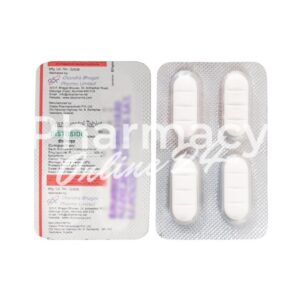
- The form of administration is an oral film-coated tablet, usually 600 mg. In some cases, tablets may be split or crushed, and oral suspension may be compounded for children if needed.
- Biltricide starts working within a few hours after it is taken, although relief of symptoms and parasite clearance may take longer.
- The duration of action is short, as it is usually given as a one-day course divided into 2–3 doses.
- Alcohol should be avoided, as it may worsen dizziness, drowsiness, and stomach upset.
- The most common side effects are nausea, abdominal pain, vomiting, diarrhoea, dizziness, headache, and drowsiness.
- Would you like to try Biltricide without a prescription?
Biltricide at a glance
Biltricide is a prescription-only tropical medicine that tends to be used after travel to endemic areas, an infectious disease referral, or follow-up from a tropical disease clinic. Biltricide is the brand name of praziquantel.
- Brand name
- Biltricide.
- INN
- Praziquantel.
- ATC code
- P02BA01.
- Form
- Film-coated 600 mg tablets.
- Route
- Oral.
Basic Biltricide information
- INN (international nonproprietary name): Praziquantel.
- Brand names available in the United Kingdom: Biltricide (imported), generic praziquantel.
- ATC code: P02BA01.
- Forms and dosages: 600 mg film-coated oral tablets; oral suspension is not widely available and is occasionally compounded for children.
- Manufacturers in the United Kingdom: Bayer AG/Bayer Healthcare (Biltricide).
- Registration status in the United Kingdom: Prescription-only medicine (POM); not licensed in the UK and usually supplied as an imported medicine.
- OTC / Rx classification: Prescription-only medicine (POM).
What Biltricide is: the active ingredient and brand names
Confusion usually starts with the name, because Biltricide is the brand, while praziquantel is the active ingredient.
The standard strength is 600 mg, and the oral tablet is the form most UK-linked patients encounter.
Biltricide is made by Bayer; generic praziquantel is also supplied.
Pack sizes are commonly 6 or 12 tablets, usually in blister packs.
| Product | Strength | Route | Common pack sizes |
|---|---|---|---|
| Biltricide | 600 mg | Oral | 6 or 12 tablets |
| Generic praziquantel | 600 mg | Oral | Varies by supplier |
| Oral suspension | Not widely available | Oral | Compounded only |
How Biltricide works in the body: why it remains the gold standard for certain parasites
What makes this medicine different from a standard “worming tablet” is its target.
Biltricide is an anthelmintic medicine used against schistosomes and flukes, not as a general dewormer for every parasite.
It works by disrupting parasite function, which leads to paralysis and death of the worms.
That is why a one-day regimen is so common: the whole treatment is designed to be completed quickly and taken exactly as prescribed.
Some patients feel briefly worse while the parasites die, with temporary symptoms that can overlap with the infection itself.
Efficacy depends on the species involved and on timing, so a test result and proper diagnosis still matter before starting treatment.
Simple mechanism flow:
Praziquantel enters the body → acts on the parasite → worm function is disrupted → paralysis occurs → parasites die and are cleared.
Who Biltricide is for: approved uses, likely scenarios and when UK patients are prescribed it
Approved uses are clear: schistosomiasis, clonorchiasis, and opisthorchiasis.
In UK practice, it is often specialist-led because the diagnosis may come from travel history, stool or blood tests, or advice from infectious disease or tropical medicine services.
Travellers returning from freshwater exposure, migrants with a confirmed parasitic infection, and patients referred from a tropical disease clinic are the most typical scenarios.
It is not equivalent to albendazole or mebendazole, which are used for different worms and do not treat schistosomes or flukes.
| Infection | Typical setting | Specialist referral common? |
|---|---|---|
| Schistosomiasis | Travel medicine, tropical disease clinic, confirmed diagnosis | Often yes |
| Clonorchiasis | Specialist infectious disease advice | Often yes |
| Opisthorchiasis | Specialist infectious disease advice | Often yes |
How to take Biltricide correctly: dosing by condition, timing and food
For schistosomiasis, the approved regimen is 20 mg/kg per dose, three doses in one day, with doses taken 4 to 6 hours apart and with food.
For clonorchiasis and opisthorchiasis, the approved regimen is 25 mg/kg per dose, three doses in one day, again spaced through the same day and taken with food.
It is usually a single-day course, so getting the first calculation right matters more than with longer treatments.
Because the tablets are 600 mg, some patients need splitting to match the calculated dose, and that is one reason exact weight-based dosing should be checked carefully.
| Condition | Dose | Schedule | Food advice |
|---|---|---|---|
| Schistosomiasis | 20 mg/kg per dose | 3 doses in one day, 4 to 6 hours apart | Take with food |
| Clonorchiasis | 25 mg/kg per dose | 3 doses in one day, 4 to 6 hours apart | Take with food |
| Opisthorchiasis | 25 mg/kg per dose | 3 doses in one day, 4 to 6 hours apart | Take with food |
- Check the diagnosis and the prescribed dose before opening the pack.
- Take the tablets with a meal or snack.
- Space each dose by 4 to 6 hours.
- Finish the full same-day regimen unless told otherwise by the prescriber.
Dosage adjustments and special groups: children, older adults, liver or kidney problems
The dose for a child is mainly weight-based rather than age-based.
Children aged 1 year and above use the same mg/kg regimen as adults, so a smaller child simply needs fewer tablets.
Small children may need tablets crushed, but that should usually be done under supervision.
There is no routine elderly dose change, although comorbidities and other medicines still matter.
Biltricide should be used with caution in hepatic impairment, because blood levels may rise if first-pass metabolism is reduced, and specialist advice may be needed.
- Children
- Same mg/kg dose as adults from 1 year of age; tablets may need crushing.
- Older adults
- No routine adjustment, but check comorbidities and concomitant medicines.
- Liver impairment
- Use with caution; specialist input may be needed.
- Kidney impairment
- Monitoring may be sensible in multimorbidity, especially if other risks are present.
Safety profile: common side effects, serious reactions and what patients notice first
The most common effects are nausea, abdominal pain, vomiting, and diarrhoea, with dizziness, headache, drowsiness, rash, and itching also reported.
These effects are usually short-lived, but they can be confusing because they may overlap with the symptoms of the infection itself.
Rare serious reactions include seizures, severe allergic reactions, and signs of liver problems.
If drowsiness or dizziness occurs, driving or using machinery is best avoided until the effect passes.
| Type | Examples | What to do |
|---|---|---|
| Common | Nausea, abdominal pain, vomiting, diarrhoea, dizziness, headache, drowsiness | Rest, take the medicine with food, and monitor |
| Uncommon | Rash, itching, malaise, mild weakness | Seek advice if symptoms are troublesome |
| Urgent | Seizures, severe allergy, marked liver symptoms | Get urgent medical help |
Contraindications and precautions: when Biltricide should not be used or needs extra care
Some checks are essential before supply because the wrong parasite, or the wrong clinical history, changes the risk.
Biltricide is contraindicated in hypersensitivity to praziquantel or any ingredient.
It should also be avoided in ocular cysticercosis, because killing parasites in the eye can worsen damage.
Extra caution is needed in severe hepatic impairment, epilepsy or a seizure history, and cardiac arrhythmias.
That is why questions are asked about eye symptoms, liver disease, and previous neurological problems before supply.
Red flags that need checking before use:
- Known allergy to praziquantel.
- Eye involvement or suspected ocular cysticercosis.
- Severe liver disease.
- History of seizures or epilepsy.
- Arrhythmias or significant cardiac history.
Missed doses, overdose and what to do in an emergency
With a one-day course, even one missed tablet can matter more than people expect.
If a dose is missed, take it as soon as remembered on the same day; if the next dose is nearly due, do not double up.
An overdose may cause gastrointestinal upset, confusion, or seizures.
There is no specific antidote, so urgent medical attention and symptomatic treatment are the standard response.
| Situation | Action |
|---|---|
| Missed dose | Take it the same day when remembered; do not double up |
| Too much taken | Seek urgent medical help |
| Severe symptoms | Call emergency services or urgent care |
Interactions, alcohol and lifestyle points
People often forget to mention the medicines they already take, which is why a proper medicines review matters.
Check for other drugs that affect the liver or nervous system, and mention any specialist-prescribed treatments.
Alcohol is best kept cautious during treatment if nausea or dizziness is expected.
If drowsiness occurs, avoid driving, especially on the day of treatment.
- Bring a full medicines list, including over-the-counter products.
- Tell the pharmacist about liver disease, epilepsy, or heart rhythm problems.
- Be cautious with alcohol if you already feel sick or dizzy.
- Do not drive if drowsiness or dizziness develops.
Legal status and availability in the UK
Biltricide (praziquantel) is a prescription-only medicine (POM) in the UK; it is not licensed in the UK and is usually supplied as an imported medicine. Prescriptions usually start with a GP, a travel clinic, an infectious disease specialist or a hospital outpatient clinic.
In our online pharmacy, Biltricide is available without a prescription, with discreet delivery to the United Kingdom in 9–21 days.
Storage, handling and travel use
Travellers often carry tablets for several weeks before treatment, so storage matters.
Keep Biltricide at 15 to 30°C, away from moisture and excessive heat.
Leave the tablets in the original packaging until they are needed, and read the patient leaflet before use.
That is especially sensible if the medicine is being taken to a warmer climate or packed in hand luggage for a trip home.
- Store at room temperature.
- Protect from moisture.
- Avoid excessive heat.
- Keep in the original pack.
Biltricide versus alternatives: when praziquantel is preferred and when other medicines are used
For schistosomiasis and many fluke infections, Biltricide remains the gold standard.
It is also on the WHO Essential Medicines List, which helps explain why tropical medicine clinicians reach for it first.
Albendazole and mebendazole do not treat the same parasites.
That is why praziquantel is usually chosen first-line when the diagnosis fits, even though another worming treatment may be used for different infections.
| Medicine | Typical role | Comment |
|---|---|---|
| Biltricide / praziquantel | First-line for schistosomiasis and many flukes | Gold standard |
| Albendazole / mebendazole | Other worm infections | Not effective for schistosomes or flukes |
Frequently asked questions about Biltricide and praziquantel
- Can I crush the tablets?
- Yes, crushing may be needed for small children, but it should usually be supervised.
- Is Biltricide the same as praziquantel?
- Yes. Biltricide is the brand name, and praziquantel is the active ingredient.
- Why do I need three doses in one day?
- The approved regimens are designed to be completed on the same day, with doses spaced 4 to 6 hours apart.
- Can I get it on the NHS?
- Yes, if a UK clinician prescribes it after assessment.
- What if I feel worse after taking it?
- Some temporary nausea, dizziness, or abdominal discomfort can happen as parasites die, but severe symptoms need medical review.
- Is a generic version acceptable?
- Yes, generic praziquantel is widely used where available.
Delivery across the United Kingdom
| City | Region | Delivery time |
|---|---|---|
| London | England | 9–21 days |
| Birmingham | England | 9–21 days |
| Manchester | England | 9–21 days |
| Leeds | England | 9–21 days |
| Liverpool | England | 9–21 days |
| Glasgow | Scotland | 9–21 days |
| Edinburgh | Scotland | 9–21 days |
| Cardiff | Wales | 9–21 days |
| Belfast | Northern Ireland | 9–21 days |
| Sheffield | England | 9–21 days |
| Bristol | England | 9–21 days |
| Newcastle upon Tyne | England | 9–21 days |
| Nottingham | England | 9–21 days |
| Southampton | England | 9–21 days |
Storage, access and final practical takeaways
For most UK patients, the key points are simple: Biltricide is praziquantel, it is a prescription-only medicine in the UK, and it is used for specific parasitic infections rather than as a general dewormer.
The standard tablet is 600 mg, the usual course is completed in one day, and food helps with tolerability.
If side effects or questions arise, a pharmacist can usually help with medicines checks, dosing clarification, and advice on when to seek medical review.
When the diagnosis is right, this medicine remains one of the most trusted options in tropical medicine and schistosomiasis treatment UK practice.