Rheumatrex
In brief
- Rheumatrex (methotrexate) is a prescription-only medicine (POM) in the UK and must be supplied with a valid prescription from a clinician.
- Rheumatrex is used to treat rheumatoid arthritis, juvenile idiopathic arthritis, severe psoriasis and certain cancers; it is an antimetabolite folic‑acid analogue that inhibits dihydrofolate reductase and other folate‑dependent enzymes, reducing cell proliferation and producing immunomodulatory effects.
- Usual doses vary by condition: for rheumatoid arthritis 7.5–15 mg once weekly (sometimes titrated); psoriasis typically 10–25 mg once weekly; juvenile idiopathic arthritis ≈10–15 mg/m² once weekly; oncology doses are protocol‑dependent and often much higher — dosing must be individualised and given weekly in low‑dose regimens.
- Available as oral tablets (2.5–10 mg), oral solution (e.g. 2 mg/ml), subcutaneous/intramuscular injections (pre‑filled syringes/auto‑injectors) and injectable vials for IV/IM use.
- For inflammatory conditions clinical improvement is usually seen within about 3–6 weeks, with full benefit up to around 12 weeks; onset in oncology depends on regimen and indication.
- Duration of action for low‑dose weekly regimens is sustained with weekly dosing (therapeutic effect persists between weekly doses); pharmacodynamic effects and protocol durations vary considerably in oncology settings.
- Do not consume alcohol or drink only minimal amounts while taking Rheumatrex — alcohol increases the risk of liver toxicity and combined use is contraindicated in patients with chronic liver disease or alcoholism.
- The most common side effect is nausea (often with mouth sores/stomatitis); other frequent adverse effects include mild cytopenias and elevated liver enzymes.
- Would you like to try Rheumatrex without a prescription? Please note methotrexate is prescription‑only and can cause serious harm if used without medical supervision.
Legal status and availability in the UK
Methotrexate (Rheumatrex) is a prescription-only medicine (POM) in the UK.
In our online pharmacy, Rheumatrex is available without a prescription, with discreet delivery to the United Kingdom in 9–21 days.
Basic Rheumatrex information
- INN (international nonproprietary name): Methotrexate
- Brand names available in the United Kingdom: Metoject; Nordimet; Jylamvo (oral solution); generic methotrexate tablets; Rheumatrex is a US brand name and is not marketed in the UK
- ATC code: L01BA01
- Forms and dosages: Tablets 2.5 mg and 10 mg; oral solution 2 mg/ml (Jylamvo); pre-filled syringes/auto-injectors 7.5–30 mg; vials for injection
- Registration status in the United Kingdom: Prescription-only medicine (POM)
- OTC / Rx classification: Prescription-only medicine (POM)
Weekly dosing safety
Methotrexate for rheumatology is taken once weekly, not daily.
Missing the once-weekly dose or confusing the frequency with daily medicines is a primary adherence risk and a known safety issue.
Oral and injectable methotrexate are not interchangeable mg for mg without prescriber approval.
Counselling emphasises clear once-weekly instructions, how to manage missed doses, contraception advice and the importance of folic acid.
Product overview: what Rheumatrex/methotrexate is
INN, class and therapeutic role
What is methotrexate in plain language?
Methotrexate (INN) is an antimetabolite, classified under ATC code L01BA01, used as an immunomodulator and antineoplastic agent.
It is a cornerstone conventional disease‑modifying antirheumatic drug (DMARD) in rheumatology and is also used in psoriasis and oncology protocols.
Rheumatrex is a US brand name of methotrexate; in the UK it is supplied as Metoject, Nordimet, Jylamvo (oral solution) and generic tablets.
In the UK, methotrexate is prescription‑only and should only be taken under prescriber direction with monitoring in place.
Key points at a glance
What should patients and carers know at a glance?
Methotrexate comes in tablets, an oral solution and injectable forms, and doses for rheumatology are usually given once weekly, not daily.
Oral and injectable routes are not interchangeable mg:mg without explicit prescriber approval and a documented plan.
The medicine is absolutely contraindicated in pregnancy and requires regular blood monitoring.
Carers should ensure folic acid is co‑prescribed and know the action for missed doses: do not double dose and contact the prescriber for advice.
Clear labelling and verbal counselling at dispense help reduce dosing errors and support adherence for long‑term therapy.
Available formulations, packaging and dosages
Tablet, oral solution and injectables — what to expect
Which formats will patients see at the pharmacy counter?
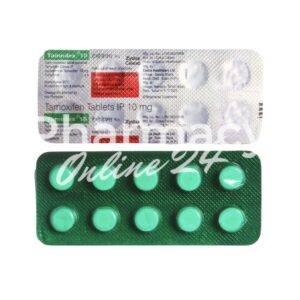
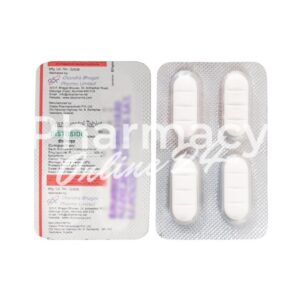
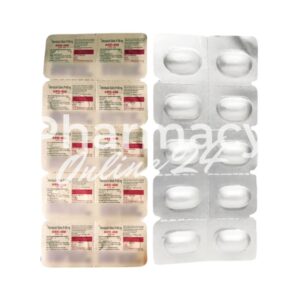
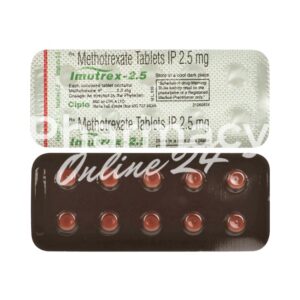
Tablets are available in 2.5 mg and 10 mg strengths for weekly dosing schedules.
Oral solution such as Jylamvo is supplied at 2 mg/ml and can aid titration and dosing for those with swallowing difficulties.
Pre‑filled syringes and auto‑injectors are made in multiple strengths from 7.5 mg up to 30 mg for subcutaneous administration.
Vials for parenteral use are available in concentrations such as 25 mg/ml and 50 mg/2 ml for specialist preparation.
Not every pharmacy will hold all formulations, so prescriptions should specify formulation and pack size to avoid substitution risks.
Packaging and dose packs
Typical UK pack sizes vary by manufacturer; tablets are usually dispensed in blister packs or bottles while injectables come in single‑use syringes or vials.
Some brands and markets provide weekly dose packs to reduce confusion, but labelling must be unambiguous to avoid daily dosing mistakes.
| Form | Dose strengths | Typical UK pack sizes |
|---|---|---|
| Tablets | 2.5 mg, 10 mg | Blister packs or bottles; pack size varies by supplier |
| Oral solution | 2 mg/ml (Jylamvo) | Bottles, variable ml sizes |
| Pre‑filled syringes/auto‑injectors | 7.5–30 mg | Single‑use syringes; cartons of 1–4 devices |
| Vials for injection | 25 mg/ml, 50 mg/2 ml, 500 mg/20 ml | Vials; hospital or pharmacy supply packs |
Indications and typical regimens
Rheumatoid arthritis and juvenile idiopathic arthritis (common DMARD schedules)
What are typical starting regimens for rheumatology use?
Adults with rheumatoid arthritis typically start on 7.5–15 mg once weekly, given orally or subcutaneously, with dose titration as required.
Improvement is often seen within 3–6 weeks with full benefit by about 12 weeks for many patients.
Juvenile idiopathic arthritis dosing is calculated by body surface area, commonly around 10–15 mg/m² once weekly.
Folic acid is normally supplied unless contra‑indicated by the prescriber.
Psoriasis and oncology notes
How does use differ in psoriasis and oncology?
For severe psoriasis, typical methotrexate doses range from 10–25 mg once weekly under dermatology supervision.
Oncology dosing is highly variable and protocol‑driven, ranging from low weekly doses to high‑dose regimens for malignant disease, so supply is coordinated with specialist teams.
Switching from oral to subcutaneous may increase bioavailability and tolerability, but route changes require prescriber approval.
Administration: oral vs subcutaneous vs intramuscular
Stepwise how-to for tablets and oral solution at home
How should patients take methotrexate safely at home?
Take methotrexate once weekly on the same day each week to build a routine and reduce the chance of errors.
Tablets may be taken with or without food depending on tolerance, and the oral solution must be measured and diluted only as per the manufacturer instructions.
If nausea is a problem, discuss folic acid timing with the prescriber and ask about antiemetic options rather than changing the dose without advice.
If a dose is missed and less than a day has passed, take it as soon as remembered; otherwise skip the missed dose and continue the usual schedule and do not double up.
Preparing and administering injections (auto‑injectors and syringes)
What steps should a patient follow for subcutaneous injections?
First injections should be taught by a nurse or pharmacist, ideally with supervision of the first self‑administration.
Rotate injection sites between the thigh, abdomen and outer upper arm to avoid local irritation, and follow manufacturer instructions for preparation and disposal.
Use a sharps bin and return full sharps bins to the pharmacy or local collection point for safe disposal.
Never convert between oral and injectable regimens mg:mg without prescriber approval and updated instructions documented in the patient record.
Contraindications, pregnancy and contraception
Absolute contraindications and high‑risk states
Who must not take methotrexate under any circumstances?
Methotrexate is absolutely contraindicated in pregnancy and breastfeeding due to teratogenicity and embryo‑fetal toxicity.
Severe hepatic or renal impairment, significant bone marrow suppression and hypersensitivity to methotrexate are also absolute contraindications.
Alcoholism and chronic liver disease are listed as prohibitive or high risk in the product data and require avoidance of methotrexate.
Family planning, pregnancy testing and male fertility advice
What must be checked before starting treatment in people of reproductive potential?
Confirm a negative pregnancy test before initiation for women of childbearing potential and document contraception counselling in the patient record.
Advise women to use effective contraception during treatment and until the prescriber advises cessation after stopping methotrexate.
Men should be offered fertility counselling if they have concerns because some guidance suggests discussing family planning with the specialist team.
If pregnancy is suspected while on treatment, advise immediate prescriber contact and urgent review rather than continuing therapy.
Side effects, severity scale and immediate actions
Common mild–moderate side effects and mitigation (folic acid)
What side effects are commonly reported and how can they be reduced?
Common adverse effects include nausea, mouth ulcers, diarrhoea, mild cytopenias, elevated liver enzymes, rash and fatigue.
Folic acid supplementation is standard practice to reduce gastrointestinal and haematologic adverse events and should be confirmed at dispensing.
Simple measures such as taking folic acid on non‑methotrexate days and antiemetic discussion with the prescriber help tolerability.
Patients should report worsening symptoms promptly.
Serious adverse events and emergency responses
Which symptoms require urgent medical attention?
Red flags include persistent fever, severe breathlessness, uncontrolled vomiting, jaundice, unexplained bruising or bleeding and signs of severe infection.
These signs may indicate bone marrow suppression, hepatotoxicity, pulmonary toxicity or severe infection and require immediate medical review or A&E attendance.
In cases of suspected overdose, seek immediate medical attention as leucovorin (folinic acid) rescue may be required under specialist guidance.
| Symptom | Suggested action |
|---|---|
| Fever or infection signs | Contact prescriber urgently or attend A&E |
| Severe breathlessness | Immediate medical review (possible pulmonary toxicity) |
| Unexplained bruising/bleeding | Stop drug and seek urgent blood tests and prescriber review |
Drug interactions and OTC cautions
High‑risk interacting prescription drugs (explain mechanism)
Which prescription medicines interact significantly with methotrexate?
Trimethoprim and sulfonamides can increase antifolate effects and raise the risk of bone marrow suppression when combined with methotrexate.
Certain NSAIDs and high‑dose salicylates may reduce renal elimination of methotrexate and increase toxicity risk in some cases.
Proton pump inhibitors and other agents have variable interactions, so pharmacy checks are required when starting or stopping these medicines.
Liaise with the prescriber when potentially interacting medicines are needed concurrently and confirm renal function where appropriate.
OTCs, supplements and alcohol guidance for patients
What should patients avoid or discuss at the pharmacy?
Warn patients against starting OTC NSAIDs or high‑dose salicylates without prescriber approval because these can affect methotrexate clearance.
Avoid excessive alcohol intake due to combined hepatic risk and discuss any regular supplement use, noting that folinic acid rescue is distinct from routine folic acid supplementation.
Advise patients to bring a list of OTCs, supplements and herbal remedies to consultations so pharmacy staff can check for interactions.
| Interacting agent | Effect | Advice |
|---|---|---|
| Trimethoprim | Increased marrow suppression risk | Contact prescriber before co‑prescribing |
| NSAIDs | Reduced renal clearance may increase toxicity | Avoid without prescriber approval; review renal function |
| Alcohol | Increased hepatotoxicity risk | Minimise intake and discuss with prescriber |
Monitoring and laboratory follow‑up
Routine blood tests and frequency (practical schedule)
How often should blood tests be done while on methotrexate?
Baseline tests include a full blood count, liver function tests and creatinine prior to initiation.
Ongoing monitoring commonly occurs every 1–3 months with FBC, LFTs and renal function in stable patients as per standard guidance.
Confirm hepatitis screening and pregnancy testing status where relevant during baseline assessment.
When to withhold dose and escalate to prescriber
When should the dose be held and the prescriber contacted?
Hold dosing and contact the prescriber if blood tests show significant neutropenia, thrombocytopenia or marked ALT/AST elevations above local thresholds.
If a patient develops fever, signs of infection or unexpected bleeding, advise immediate contact with the prescriber and urgent testing.
Storage, transport and handling
Home storage, temperature and child safety
How should patients store methotrexate at home?
Store tablets and solutions at 15–25°C and protect from moisture and light, keeping all medicines out of reach of children and pets.
Advise patients to keep the original packaging and patient leaflet to ensure dosing instructions are clear.
For injectables, follow the manufacturer storage instructions which may include refrigeration for some products; check the product label before supply.
Patient support, counselling points and FAQs
Key counselling points
What should be covered in a brief methotrexate counselling session?
Confirm the indication, verify the exact once‑weekly dosing day and show the formulation to be used at home.
Check pregnancy and contraception status for people of childbearing potential and document that counselling took place.
Confirm folic acid co‑prescription and explain common side effects and when to seek urgent care.
Note the next blood test due date and provide a printed one‑page dosage calendar when possible.
Common patient FAQs
When do I take it?
Take methotrexate once weekly on the same day; do not take it daily.
Can I drink alcohol?
Minimise alcohol and discuss drinking with your prescriber due to increased liver risk.
What if I miss a dose?
If under a day, take when remembered; otherwise skip and continue the next scheduled dose and do not double up.
Comparators, alternatives and step‑up therapy
Other conventional DMARDs and when to consider biologics
Where does methotrexate sit among treatment options?
Other conventional DMARDs include leflunomide, sulfasalazine and hydroxychloroquine, which may be used alone or in combination with methotrexate.
Biologic agents such as adalimumab and etanercept are considered when response to conventional therapy is inadequate or for rapid control of disease activity under specialist supervision.
Prescribing decisions depend on tolerability, monitoring needs, pregnancy plans and clinical response.
Switching considerations and cross‑coverage guidance
What practical points apply when therapy changes?
Switching routes from oral to subcutaneous can improve bioavailability and reduce gastrointestinal side effects but requires prescriber approval and updated monitoring documentation.
Do not substitute or stop methotrexate without a prescriber instruction and ensure patients understand any new monitoring or contraception advice after a change.
Clinical data snapshot
Key clinical efficacy points and onset of action
How quickly does methotrexate take effect in rheumatology?
Clinical improvement in rheumatoid arthritis is often seen within 3–6 weeks with maximal benefit by about 12 weeks for many patients on standard dosing.
Methotrexate is a cornerstone DMARD supported by extensive trial and real‑world data for rheumatology and dermatology indications.
Oncology uses are protocol‑driven with dosing and monitoring tailored to disease and regimen intensity.
Delivery across the United Kingdom
| City | Region | Delivery Time |
|---|---|---|
| London | Greater London | 9–21 days |
| Birmingham | West Midlands | 9–21 days |
| Manchester | Greater Manchester | 9–21 days |
| Glasgow | Scotland | 9–21 days |
| Leeds | West Yorkshire | 9–21 days |
| Edinburgh | Scotland | 9–21 days |
| Bristol | South West England | 9–21 days |
| Cardiff | Wales | 9–21 days |
| Newcastle | North East England | 9–21 days |
| Nottingham | East Midlands | 9–21 days |
| Southampton | South East England | 9–21 days |
| Plymouth | South West England | 9–21 days |
| Derby | East Midlands | 9–21 days |
| Aberdeen | Scotland | 9–21 days |