Ziprasidone
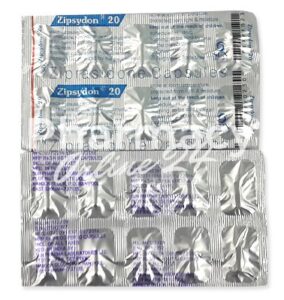
In stock
20mg · 40mg · 80mg
from 34,47 £
In brief
- Ziprasidone is a newer-type antipsychotic given for schizophrenia and for manic episodes; the supply described here is imported and has no UK licence.
- The 20 mg and 40 mg strengths come in 30, 60, 90, 120, 180 or 360 units, and the 80 mg strength in 30 to 180.
- Britain has no SmPC, patient leaflet or approved dosing schedule for ziprasidone, so the choice to use it sits entirely with the prescriber.
Ziprasidone: a second-generation antipsychotic outside the UK licensing system
Ziprasidone is one of the newer antipsychotics, the group that followed older drugs such as haloperidol and chlorpromazine. It acts mainly on dopamine D2 and serotonin 5-HT2A receptors, with some activity at other serotonin sites, and this combination helps to damp hallucinations, delusions and the pressured thinking of a manic episode. It is neither a sleeping aid nor a general tranquilliser, and dementia-related agitation is not an intended use. The product behind this page is imported.
What is listed
Three strengths appear: 20 mg, 40 mg and 80 mg. The first two are sold in 30, 60, 90, 120, 180 or 360, while 80 mg is limited to 30, 60, 90, 120 or 180. Nothing in the listing records whether the units are tablets or capsules, so this page speaks only of units. Pack size does not determine the interval between prescriptions; quantity and frequency are set by whoever prescribes.
Why no UK label can be quoted
Approved UK product information lives on the electronic medicines compendium, and ziprasidone does not appear there. It follows that no British SmPC, patient leaflet, licensed indication or recommended dose exists, and none is offered here. UK doctors are permitted to prescribe unlicensed medicines where a licensed one cannot meet an individual’s needs, but they then take on more responsibility for the decision. Risperidone, olanzapine, quetiapine and aripiprazole are examples of antipsychotics that do carry full UK labelling, which makes it reasonable to ask why they have not been chosen.
Heart rhythm and the ECG
The most frequently discussed concern with ziprasidone is lengthening of the QT interval, the stretch of the heart tracing that shows how the muscle recharges after each beat. If it becomes too long, a dangerous rhythm can follow. The medicine is therefore normally avoided where QT is already prolonged, after a recent heart attack, in decompensated heart failure, with certain rhythm disorders, and alongside other drugs that lengthen QT. A baseline ECG and potassium and magnesium results are usual. Fainting, palpitations or a sudden cardiac death in the family should be mentioned before starting.
Warnings shared by the class
Ziprasidone shares the cautions attached to other antipsychotics: neuroleptic malignant syndrome (fever, muscle rigidity, confusion), tardive dyskinesia, seizures, a fall in blood pressure on standing, higher blood sugar and venous thrombosis. Carbamazepine is known to lower ziprasidone concentrations. The medicine may work against levodopa and dopamine agonists, so Parkinson’s disease needs particular thought, and alcohol or sedatives add to drowsiness.
Side effects and reporting
In everyday use people mention sleepiness, restlessness, dizziness, headache, tremor and stiffness, together with blurred vision, nausea, constipation, indigestion, a dry mouth or extra saliva and weakness. Gaining weight appears to be a smaller worry than with several related drugs. Urgent help is needed for a faint, a heartbeat that races or stumbles, a fever with stiff muscles, or jerky movements that cannot be stopped. A person taking Ziprasidone ought to hand the prescriber a complete list of everything else they use. Suspected reactions to an imported medicine can be sent to the MHRA through the Yellow Card scheme.
Questions worth asking
Since no UK label exists, ask why this medicine was preferred to a licensed alternative, when heart tests will be repeated and what to do about a missed dose. Mention earlier rhythm problems, sudden deaths in the family, low potassium, bouts of vomiting or diarrhoea, pregnancy or plans for it, and all other medicines, herbal ones included. An antipsychotic should not be stopped suddenly without advice, because the original symptoms can return.