
Antifungals
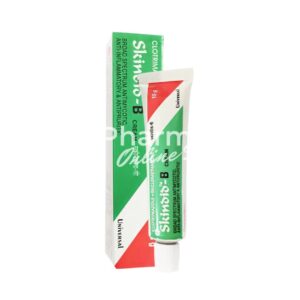
Lotriderm
from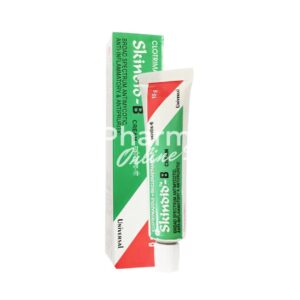
Betamethasone Clotrimazole
from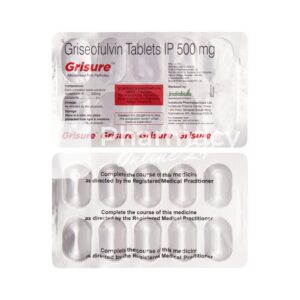
Griseofulvin
from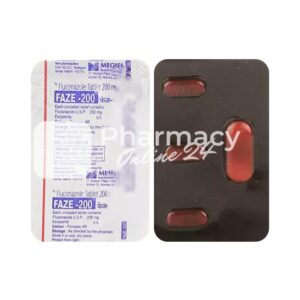
Fluconazole
fromWhat Are Antifungal Medications?
Antifungal medications are pharmaceutical treatments designed to combat fungal infections in the human body. These medicines work by either killing fungal cells directly or preventing their growth and reproduction. Fungal infections can affect various parts of the body, including the skin, nails, scalp, and internal organs. Unlike bacterial infections, fungal infections require specific treatment approaches because fungi have different cellular structures compared to bacteria. Antifungal drugs target these unique structures, making them effective against fungal pathogens whilst remaining safe for human use. The choice of antifungal medication depends on the type of fungus causing the infection, the location of the infection, and the severity of the condition. Some antifungals are available over the counter at UK pharmacies, whilst others require a prescription from your GP. Understanding how these medications work helps patients use them effectively and achieve better treatment outcomes.
Common Types of Fungal Infections
Skin and Nail Infections
Fungal infections of the skin and nails are amongst the most common types encountered in the UK. Athlete’s foot, also known as tinea pedis, typically affects the spaces between the toes and causes itching, burning, and flaking. Ringworm, despite its misleading name, is actually a fungal infection that can appear on various skin areas as circular, inflamed patches. Nail fungus, or onychomycosis, causes nails to become thick, discoloured, and brittle. These infections are contagious and can spread through contaminated surfaces or direct contact. Over-the-counter antifungal creams and powders are often effective for mild to moderate skin infections.
Yeast Infections
Candida albicans is the fungus responsible for most yeast infections in the UK population. Women commonly experience vaginal yeast infections, characterised by itching, burning sensations, and unusual discharge. Men can develop similar infections affecting the genital area. Oral thrush, caused by the same fungus, appears as white patches inside the mouth and throat. Nappy rash in infants is frequently due to Candida overgrowth. Antifungal creams, tablets, and lozenges are available to treat these infections effectively. Many antifungal treatments for yeast infections can be purchased without prescription from UK pharmacies.
Scalp and Hair Infections
Scalp infections caused by fungi are relatively common, particularly in children. Symptoms include itching, scaling, hair loss, and inflammation of the scalp. These infections can spread through contact with contaminated combs, hats, or pillows. Antifungal shampoos and medicated treatments are the primary approach to managing scalp infections. Some severe cases require oral antifungal medications prescribed by healthcare professionals.
Popular Antifungal Medications Available in the UK
Topical Antifungals
Miconazole is one of the most widely available antifungal creams in UK pharmacies, used for various skin and nail infections. Clotrimazole is another popular option, available in cream form for treating athlete’s foot, ringworm, and yeast infections. Terbinafine cream is particularly effective for fungal skin infections and is available over the counter. Econazole nitrate provides relief from various fungal conditions and is commonly recommended by pharmacists. These topical treatments are generally applied directly to affected areas two to three times daily. They are often considered first-line treatments for uncomplicated fungal infections.
Oral Antifungals
Fluconazole is a prescription antifungal tablet commonly prescribed in the UK for various fungal infections, including yeast infections and more serious systemic infections. Terbinafine tablets are used for persistent nail infections and severe skin fungal infections. Itraconazole is prescribed for certain fungal infections that don’t respond to other treatments. Griseofulvin, though older, is still occasionally prescribed for stubborn scalp and nail infections. These oral medications require medical supervision due to potential side effects and drug interactions.
Antifungal Powders and Sprays
Antifungal powders are particularly useful for prevention and treatment of areas prone to moisture, such as between toes and skin folds. These products help keep affected areas dry whilst providing antifungal protection. Sprays offer convenient application for hard-to-reach areas and are especially popular for treating athlete’s foot.
How to Use Antifungals Effectively
Application Guidelines
For topical antifungals, it’s crucial to apply the medication to clean, dry skin. The affected area should be washed gently, dried thoroughly, and the antifungal applied as directed on the package or by your GP. Typically, treatment continues for one to four weeks, depending on the product and infection type. It’s important to apply the medication to the entire affected area and slightly beyond its borders to prevent recurrence. Continuing treatment even after symptoms disappear helps ensure complete eradication of the fungus.
Oral Antifungal Use
Oral antifungals should be taken exactly as prescribed, usually with or without food as specified. The full course of treatment should be completed even if symptoms improve earlier. Skipping doses or stopping treatment prematurely may allow the infection to return. Some oral antifungals interact with other medications, so inform your GP about all medicines you’re taking before starting treatment.
Duration and Expectations
Most fungal skin infections improve within two to three weeks of treatment, though nail infections may take several months. Patience is essential, as fungal infections often resolve more slowly than bacterial infections. If symptoms persist beyond the expected timeframe, consult your GP for assessment and alternative treatment options.
Prevention and Self-Care Tips
Hygiene Practices
Maintaining good personal hygiene is fundamental in preventing fungal infections. Keeping skin clean and dry, especially in warm, moist areas, significantly reduces infection risk. Wearing breathable clothing and changing out of damp clothes promptly helps prevent fungal growth. Regular nail trimming and keeping nails dry prevents nail fungal infections. Washing feet daily and drying thoroughly, particularly between toes, is essential for preventing athlete’s foot.
Environmental Measures
Avoiding walking barefoot in communal areas like swimming pools, gyms, and changing rooms reduces fungal infection risk. Using shower shoes in public facilities provides excellent protection. Not sharing personal items such as towels, razors, combs, and nail clippers helps prevent fungal transmission. Key prevention measures include:
- Regularly disinfecting personal items and household surfaces where fungi might thrive
- Using separate towels if someone in your household has a fungal infection
- Keeping communal bathroom areas clean and dry
- Avoiding contact with infected individuals’ personal belongings
- Changing bed linen regularly if experiencing fungal infections
Lifestyle Adjustments
Maintaining a strong immune system through proper nutrition, exercise, and adequate sleep helps your body fight fungal infections naturally. Managing stress and controlling blood sugar levels, particularly for diabetic individuals, supports immune function. Wearing appropriate footwear in appropriate settings and avoiding tight, non-breathable clothing reduces fungal infection risk.
When to Seek Medical Advice
Consult your GP if fungal infections don’t improve after two weeks of over-the-counter treatment. Severe, widespread infections require professional assessment and prescription-strength antifungals. If you experience signs of allergic reaction to antifungal medications, such as rash, swelling, or difficulty breathing, seek immediate medical attention. Recurrent or persistent infections may indicate underlying health conditions requiring investigation. Pregnant women, individuals with compromised immunity, or those taking multiple medications should always consult their GP before using antifungal treatments. Your pharmacist can provide valuable advice regarding suitable over-the-counter options and when professional medical consultation is necessary for your specific situation.