
Cholesterol
Understanding Cholesterol and Why It Matters
Cholesterol is a waxy substance found in your blood that your body needs to build healthy cells. However, high levels of cholesterol can increase your risk of heart disease and stroke. Your body produces cholesterol naturally, but you also get it from foods like meat, dairy products, and eggs. There are two main types of cholesterol: low-density lipoprotein (LDL), often called “bad” cholesterol, and high-density lipoprotein (HDL), known as “good” cholesterol.
LDL cholesterol can build up in your arteries, forming plaques that narrow blood vessels and restrict blood flow. HDL cholesterol helps remove LDL from your arteries, protecting your heart health. Managing your cholesterol levels is crucial for preventing cardiovascular diseases and maintaining overall wellness. Many people in the UK have high cholesterol without realising it, as there are typically no symptoms. Regular blood tests are the only way to know your cholesterol levels. If your levels are too high, lifestyle changes and medications can help bring them down and reduce your risk of serious health problems.
Common Cholesterol Medications Available in the UK
Statins
Statins are the most commonly prescribed cholesterol-lowering medications in the United Kingdom. These drugs work by blocking an enzyme your liver needs to make cholesterol, thereby reducing the amount of cholesterol in your blood. Popular statin medications include atorvastatin, simvastatin, pravastatin, and rosuvastatin. Atorvastatin is one of the most frequently prescribed statins and comes in various strengths ranging from 10mg to 80mg. Simvastatin is another widely used option, typically available in 10mg, 20mg, and 40mg doses.
These medications are usually taken once daily in the evening and are generally well-tolerated by most patients. Statins have been proven to reduce the risk of heart attacks and strokes significantly. They are often recommended for people with existing heart disease or those with high risk factors.
Other Cholesterol Medications
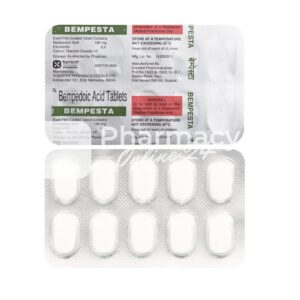
Beyond statins, several other medications are available in the UK to help manage cholesterol. Ezetimibe works by blocking the absorption of cholesterol in your intestines and is often prescribed alongside statins for enhanced effect. PCSK9 inhibitors like evolocumab and alirocumab are newer medications used for people who cannot reach their cholesterol goals with statins alone. Bile acid sequestrants such as colestyramine help lower cholesterol by binding to bile acids in your digestive system. Bempedoic acid is another option that helps reduce uric acid levels whilst lowering cholesterol. Your GP will recommend the most appropriate medication based on your individual health needs and cholesterol levels.
Benefits and Uses of Cholesterol Management
Heart Disease Prevention
Managing cholesterol levels is one of the most effective ways to prevent heart disease. High cholesterol contributes to atherosclerosis, a condition where plaque builds up in your arteries, narrowing them and reducing blood flow to your heart. By lowering your cholesterol, particularly LDL cholesterol, you significantly reduce your risk of heart attack. People who maintain healthy cholesterol levels have better cardiovascular outcomes and enjoy longer, healthier lives. Regular monitoring and medication adherence are essential for maximising heart protection. Studies show that for every 1mmol/L reduction in LDL cholesterol, the risk of cardiovascular events decreases by approximately 22 percent.
Stroke Prevention
High cholesterol is a major risk factor for stroke, which occurs when blood flow to the brain is blocked. Cholesterol-lowering medications help prevent the formation of blood clots and reduce arterial narrowing in the brain’s blood vessels. People with high cholesterol are at significantly greater risk of experiencing both ischaemic and haemorrhagic strokes. Taking prescribed cholesterol medications as directed can substantially lower your stroke risk. Combined with other lifestyle modifications, cholesterol management forms a crucial part of stroke prevention strategy.
Overall Cardiovascular Health
Beyond preventing specific events, managing cholesterol improves your overall cardiovascular system health. Healthy cholesterol levels support better blood pressure control, improved blood vessel function, and reduced inflammation in your arteries. Your heart works more efficiently when cholesterol levels are within the recommended range. Many people find that once they begin cholesterol treatment, they experience improved energy levels and general wellness. Long-term cholesterol management contributes to better quality of life and increased longevity.
Lifestyle Changes to Support Cholesterol Management
Diet Modifications
Your diet plays a significant role in cholesterol levels. Reducing saturated fats found in red meat, full-fat dairy, and processed foods helps lower LDL cholesterol. Increasing soluble fibre from oats, beans, and fruits helps reduce cholesterol absorption. Choosing lean proteins, fish rich in omega-3 fatty acids, and plenty of vegetables supports healthy cholesterol levels. Limiting trans fats, found in many baked goods and fried foods, is particularly important. The Mediterranean diet is frequently recommended by healthcare professionals for cholesterol management. Drinking moderate amounts of alcohol and avoiding sugary drinks also contributes to better cholesterol control.
Exercise and Weight Management
Regular physical activity helps raise HDL cholesterol and lower LDL cholesterol. Aim for at least 150 minutes of moderate-intensity exercise weekly, such as brisk walking, cycling, or swimming. Weight loss, even modest amounts, can significantly improve cholesterol levels. Exercise also helps reduce other cardiovascular risk factors like high blood pressure and diabetes. Combining regular movement with medication provides optimal cholesterol control. Many people find that exercise also improves their mood and overall wellbeing alongside physical benefits.
Stress Reduction and Sleep
Chronic stress can negatively impact cholesterol levels and cardiovascular health. Practising relaxation techniques like meditation, yoga, or deep breathing helps manage stress effectively. Adequate sleep, typically seven to nine hours nightly, supports healthy cholesterol metabolism. Poor sleep quality has been linked to higher cholesterol levels and increased heart disease risk. Creating a consistent sleep routine and managing stress through various techniques contributes to better overall health outcomes.
How to Use Cholesterol Medications Safely
Following Your Prescription
Take your cholesterol medication exactly as prescribed by your GP or healthcare provider. Most statins are taken once daily, usually in the evening, with or without food. Set reminders on your phone or use a pill organiser to help remember daily doses. Never stop taking your medication without consulting your healthcare provider, even if you feel well. Regular medication adherence is essential for maintaining healthy cholesterol levels and reducing disease risk. Missing doses can allow cholesterol levels to rise again, increasing your health risks.
Monitoring and Side Effects
Whilst most people tolerate cholesterol medications well, some experience side effects like muscle aches or digestive issues. Report any concerning symptoms to your GP promptly. Regular blood tests monitor your cholesterol levels and ensure your medication is working effectively. Your GP may adjust your dose or switch medications if you experience side effects. Some medications interact with other drugs, so inform your healthcare provider about all supplements and medications you take. Maintaining open communication with your healthcare team ensures safe and effective treatment.
Getting Cholesterol Support in the UK
NHS Services
The NHS provides comprehensive cholesterol screening and management services throughout the UK. Your GP can arrange blood tests to check your cholesterol levels, typically available on the NHS. Healthcare professionals can assess your individual risk and recommend appropriate treatment options. NHS services include regular monitoring and medication prescriptions at controlled costs. Many GP surgeries offer lifestyle advice and support programmes to help manage cholesterol naturally. Pharmacy teams can also provide valuable guidance about your medications and potential interactions.
Pharmacy Support
Your local pharmacy is an excellent resource for cholesterol management support. Pharmacists can answer questions about your medications, potential side effects, and interactions with other drugs. Many pharmacies offer additional services like blood pressure checks and general health consultations. Pharmacy staff can help you understand your prescription and ensure you’re taking medications correctly. When managing your cholesterol effectively, consider these key support services available:
- Regular blood pressure monitoring at your pharmacy
- Medication reviews and advice on potential interactions
- Lifestyle guidance and dietary recommendations
- Support with medication adherence and reminders
- General health consultations and wellness checks
Regular conversations with your pharmacist help optimise your treatment plan and address any concerns promptly. Whether you’re starting cholesterol treatment or managing it long-term, your pharmacy team is ready to support your journey towards better cardiovascular health.