
Men's Health
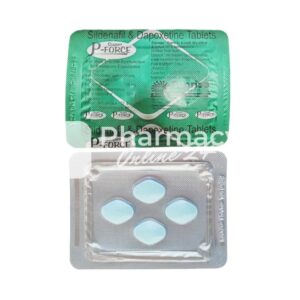
Viagra With Dapoxetine
from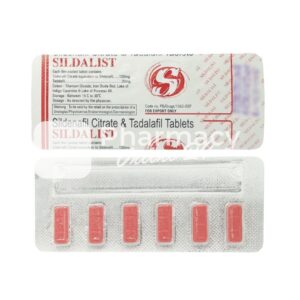
Sildalis
from
Cialis
from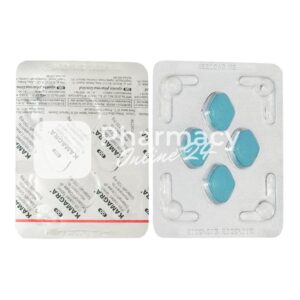
Kamagra
from
Eriacta
from
Kamagra Oral Jelly Vol-1
from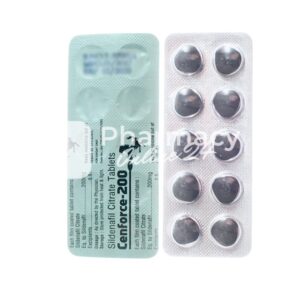
Viagra Black
from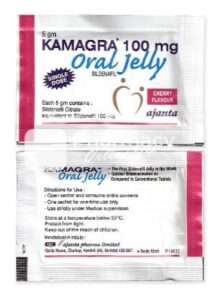
Kamagra Oral Jelly
from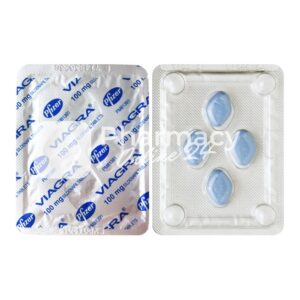
Brand Viagra
from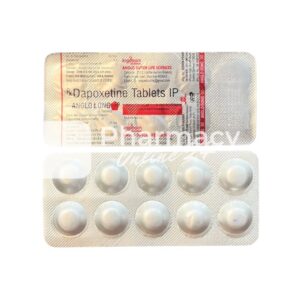
Priligy
from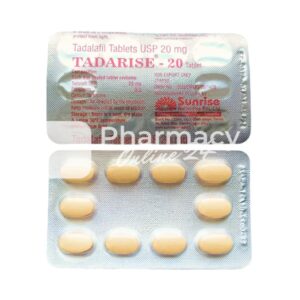
Tadarise
from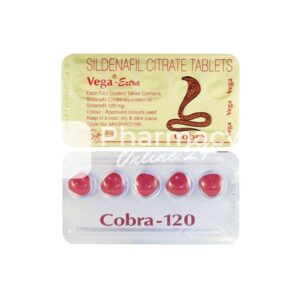
Cobra-120
from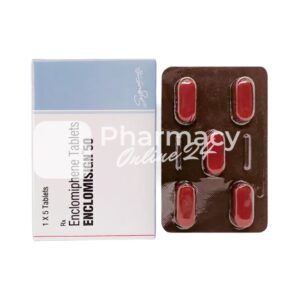
Androxal
from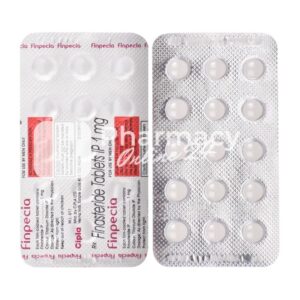
Propecia
from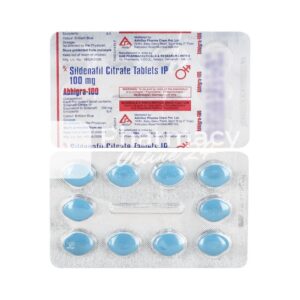
Abhigra
from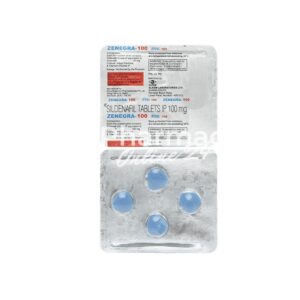
Zenegra
fromSexual Health & Erectile Dysfunction
Sexual health is a crucial aspect of overall wellbeing for men. Erectile dysfunction (ED) affects millions of men across the United Kingdom and can significantly impact quality of life and relationships. ED occurs when a man has difficulty achieving or maintaining an erection sufficient for satisfactory sexual performance.
Various factors can contribute to erectile dysfunction, including age, stress, anxiety, hormonal imbalances, cardiovascular problems, and certain medications. The condition is more common than many realise, affecting approximately 50% of men over 40 to some degree.
Available Treatments
Several effective medications are available on the UK market to treat erectile dysfunction. Sildenafil, commonly known as Viagra, remains one of the most popular options. This medication works by improving blood flow to the penis and typically takes effect within 30-60 minutes.
Tadalafil, marketed as Cialis, offers a longer duration of action, lasting up to 36 hours. This longer window makes it a popular choice for men seeking spontaneity. Vardenafil and avanafil are additional options available through prescription.
Beyond medications, treatment options include lifestyle modifications such as regular exercise, stress reduction, improved diet, and relationship counselling. Men experiencing ED should consult with a healthcare professional to determine the most appropriate treatment approach for their individual circumstances.
Prostate Health & BPH
Prostate health becomes increasingly important as men age. The prostate is a small gland that produces seminal fluid and plays a vital role in reproductive function. Benign Prostatic Hyperplasia (BPH), commonly known as an enlarged prostate, is extremely common in older men.
BPH symptoms include frequent urination, particularly at night, weak urinary stream, difficulty starting urination, and the sensation of incomplete bladder emptying. Whilst BPH is not life-threatening, it can significantly affect daily life and sleep patterns.
Prevention and Management
Maintaining prostate health involves regular screening, particularly for men over 50 or those with family history of prostate issues. The PSA test remains a standard screening tool, though it should be discussed with your GP.
Available Medications
Finasteride and dutasteride are commonly prescribed medications that reduce prostate size by blocking hormones that contribute to prostate enlargement. These medications typically take several months to show full effectiveness.
Alpha-blockers such as tamsulosin help relax muscles in the prostate, improving urinary flow. Other supportive treatments include herbal supplements like saw palmetto and beta-sitosterol, which are widely available without prescription and may provide symptomatic relief.
Regular GP check-ups, staying physically active, and maintaining a healthy diet rich in vegetables and low in processed foods can help support prostate health throughout life.
Hair Loss & Male Pattern Baldness
Male pattern baldness is a common condition affecting millions of men in the United Kingdom. Hair loss typically begins with a receding hairline or thinning at the crown and can progress to complete baldness if left untreated.
The condition is primarily caused by genetics and the sensitivity of hair follicles to the hormone DHT (dihydrotestosterone). Whilst not dangerous to physical health, hair loss can significantly impact self-confidence and psychological wellbeing.
Treatment Options
Minoxidil, available under various brand names including Regaine, is a topical solution applied directly to the scalp. It works by stimulating hair growth and can slow hair loss when used consistently. Results typically become visible after 3-6 months of regular application.
Finasteride, available as Propecia, is an oral medication that reduces DHT levels in the body, helping to prevent further hair loss and potentially promoting regrowth. This prescription medication requires ongoing use to maintain results.
Combination therapy using both minoxidil and finasteride often provides superior results compared to either treatment alone. Many men in the UK opt for this approach under professional medical guidance. Hair transplant surgery is another option for more advanced hair loss, though it requires consultation with a specialist. Maintaining scalp health through proper hygiene and avoiding harsh treatments can also support overall hair health.
Testosterone & Hormonal Health
Testosterone is the primary male sex hormone responsible for sexual function, muscle development, bone density, and overall vitality. Testosterone levels naturally decline with age, approximately 1% per year after age 30.
Low testosterone, or hypogonadism, can result in reduced libido, erectile dysfunction, fatigue, mood changes, decreased muscle mass, and increased body fat. Whilst some decline is normal, significant deficiency warrants medical attention.
Diagnosis and Testing
Blood tests measuring testosterone levels are essential for diagnosis. Healthcare professionals consider both total testosterone and free testosterone when evaluating hormone status. Symptoms must be correlated with blood results for proper diagnosis.
Available Treatments
Testosterone replacement therapy (TRT) is available through various delivery methods. These include:
- Intramuscular injections
- Transdermal gels and creams
- Patches
- Oral medications
Each method has distinct advantages regarding convenience, consistency of hormone levels, and individual preferences. Common testosterone preparations available in the UK include testosterone enanthate and testosterone undecanoate. Treatment requires regular monitoring through blood tests and clinical assessment to ensure optimal dosing and safety.
Lifestyle factors significantly influence testosterone levels. Regular exercise, particularly resistance training, adequate sleep, stress management, and maintaining healthy body weight can naturally support testosterone production without medication.
Urinary Health & Incontinence
Urinary health is often overlooked but essential for overall wellbeing. Urinary incontinence in men, whilst less common than in women, affects a significant number of men across the United Kingdom, particularly older men.
Stress incontinence occurs during physical activity or when coughing. Urge incontinence involves a sudden strong need to urinate. Various causes include prostate problems, urinary tract infections, neurological conditions, and medication side effects.
Management Strategies
Pelvic floor exercises, commonly known as Kegel exercises, can significantly improve urinary control. These exercises strengthen muscles supporting bladder function and can be performed discreetly anywhere.
Lifestyle modifications including limiting caffeine and alcohol, maintaining healthy hydration, and scheduled voiding patterns often help manage symptoms effectively. Medications such as anticholinergics can reduce overactive bladder symptoms. For men with urinary issues related to prostate problems, medications previously mentioned for BPH treatment often provide relief.
If incontinence significantly impacts daily activities, healthcare professionals may recommend additional investigations or specialist referral. Medical devices and absorbent products specifically designed for men are available for symptom management during treatment.
Cardiovascular Health & Men’s Wellness
Cardiovascular health is fundamental to men’s overall wellbeing. Heart disease remains a leading cause of mortality in men across the United Kingdom, often affecting men at younger ages than women.
Risk factors include high blood pressure, high cholesterol, smoking, obesity, diabetes, stress, and sedentary lifestyle. Many men experience cardiovascular issues without recognising early warning signs.
Prevention and Screening
Regular health checks assessing blood pressure, cholesterol levels, and blood glucose are essential preventive measures. Men should begin cardiovascular screening in their 40s or earlier if family history warrants.
Available Medications
Statins such as simvastatin and atorvastatin effectively reduce cholesterol levels and cardiovascular risk. ACE inhibitors and beta-blockers help manage blood pressure. Antiplatelet medications including aspirin prevent clot formation in at-risk individuals.
Lifestyle Modifications
Regular physical activity, maintaining healthy body weight, consuming a balanced diet rich in fruits and vegetables, limiting salt and saturated fat intake, managing stress, and avoiding smoking significantly reduce cardiovascular disease risk. Quality sleep, social connections, and regular health monitoring contribute to comprehensive cardiovascular wellness. Men should discuss personalised prevention strategies with their GP based on individual risk factors and medical history.