
Motion Sickness
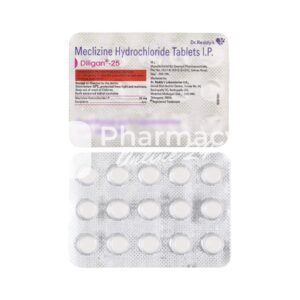
Understanding Motion Sickness
Motion sickness is a common condition that occurs when there is a conflict between the motion your inner ear senses and what your eyes perceive. This sensory disconnect can cause dizziness, nausea, and vomiting, particularly during travel. The condition affects approximately one in three people and can significantly impact your quality of life when travelling by car, boat, plane, or train.
The symptoms typically include dizziness, sweating, headaches, and a general feeling of unease. Some people experience severe nausea that can lead to vomiting. Motion sickness can develop within minutes of starting your journey and may persist throughout the duration of travel. Understanding what triggers your motion sickness is the first step towards finding effective relief and enjoying your journeys without discomfort.
Common Causes and Risk Factors
Several factors can increase your susceptibility to motion sickness. Repetitive motions, such as those experienced on boats or during long car journeys, are primary triggers. Children between the ages of four and twelve tend to be more prone to motion sickness, though adults can experience it at any age. Anxiety about travelling can also worsen symptoms, creating a vicious cycle of anticipation and discomfort.
Certain medications and medical conditions can increase your risk of experiencing motion sickness. Poor ventilation, strong odours, and reading whilst travelling are common environmental factors that can trigger or exacerbate symptoms. Additionally, some people have a naturally higher sensitivity to motion due to their inner ear structure. Identifying your personal triggers can help you take preventative measures before they become problematic during your journey.
Over-the-Counter Medications Available in the UK
Several effective over-the-counter treatments are readily available from UK pharmacies. Avomine and Stugeron are popular antihistamine-based options that work by reducing the sensitivity of your vestibular system in the inner ear. These medications are typically taken thirty minutes to an hour before travel and can provide relief for several hours.
Kwells and Joy-Rides are another popular choice, containing hyoscine hydrobromide, which works by drying secretions and reducing motion sensitivity. These are particularly effective for travel-related nausea and should be taken around thirty minutes before your journey begins. Dramamine and Gravol tablets are also widely available and offer reliable protection against motion sickness symptoms.
For those preferring natural alternatives, ginger supplements have shown promising results in clinical studies. Ginger can help settle the stomach and reduce nausea without causing drowsiness. Additionally, peppermint products and vitamin B6 supplements are popular choices amongst travellers seeking gentler remedies with minimal side effects.
Prescription Options and Professional Advice
When over-the-counter remedies prove insufficient, your GP or pharmacist can prescribe stronger medications. Metoclopramide is a prescription antiemetic that works by blocking dopamine receptors in the brain’s vomiting centre. This medication is particularly useful for more severe cases of motion sickness affecting your daily life.
Prochlorperazine, available as tablets or suppositories, is another prescription option that can provide more substantial relief. Your healthcare professional may recommend this for frequent travellers or those working in environments with constant motion. It’s important to discuss your symptoms and travel plans with your GP to determine which prescription medication is most suitable for your specific circumstances.
Professional advice from your pharmacist can also help you understand potential interactions with other medications you may be taking. They can recommend the timing of doses to ensure maximum effectiveness and advise on lifestyle modifications that complement pharmaceutical treatments for optimal results.
Non-Medicinal Prevention Strategies
Beyond medication, numerous practical strategies can significantly reduce motion sickness symptoms. Focusing on a fixed point ahead rather than watching the landscape pass by can help reduce the sensory conflict that triggers nausea. Sitting in the front seat of a car or in the middle of a boat, where motion is least pronounced, provides natural relief.
Fresh air and proper ventilation play a crucial role in symptom management. Avoid strong smells, smoking, and stuffy environments during travel. Eating light meals before journeys and staying hydrated helps maintain your body’s equilibrium. Many travellers find that avoiding heavy, greasy, or spicy foods several hours before travel significantly reduces their symptoms.
Acupressure bands, which apply pressure to specific points on your wrist, have been shown to help some people manage motion sickness without medication. Similarly, relaxation techniques, deep breathing exercises, and meditation can reduce anxiety-related triggers. Some people benefit from gradual exposure to motion, allowing their bodies to acclimate over time, whilst others find that proper neck support and comfortable seating arrangements make a substantial difference.
Key Prevention Tips:
- Focus on a fixed point ahead rather than watching passing scenery
- Choose seating positions where motion is least pronounced
- Ensure adequate fresh air and ventilation in your vehicle
- Eat light meals before travel and avoid heavy or greasy foods
- Stay hydrated throughout your journey
- Avoid reading, screens, or other activities that strain your eyes
- Use acupressure bands on your wrists for natural relief
- Practice deep breathing and relaxation techniques
- Maintain proper posture with adequate neck support
Choosing the Right Treatment for Your Needs
Selecting appropriate motion sickness treatment depends on your individual circumstances, the duration of your journey, and any existing medical conditions. For short car trips, natural remedies like ginger or acupressure bands may suffice. For longer journeys, such as ferry crossings or flights, a combination of medication and preventative strategies often provides the most comprehensive relief.
Consider the timing of your travel and choose medications accordingly. Some treatments work best when taken well in advance, whilst others provide quick relief. Be aware of potential side effects, such as drowsiness, which might affect your ability to drive or work. If you have underlying health conditions or take regular medications, always consult your pharmacist or GP before starting any new treatment.
Trial and error may be necessary to find your optimal solution. What works for one person may not work for another due to individual differences in metabolism and sensitivity. Keep records of which treatments prove most effective for you, allowing for better preparation on future journeys. Remember that combining multiple approaches, such as medication plus preventative strategies, often yields superior results compared to relying on a single method alone.