Acamprosate
In brief
- Acamprosate is a prescription-only medicine (POM) in the UK.
- Acamprosate is used to help maintain abstinence in alcohol dependence after detoxification. It works by helping to restore the balance of brain chemicals affected by long-term alcohol use, reducing cravings and the urge to drink.
- The usual dose for adults is 666 mg three times daily, or an equivalent dose adjusted for body weight and kidney function. Follow the directions on the pack or from a healthcare professional.
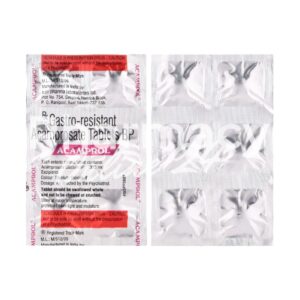
- The form of administration is an oral gastro-resistant tablet (333 mg).
- Acamprosate does not work like a painkiller or sedative, so it does not have a rapid “kick-in” effect. It is usually started after detox and may take several days to weeks to help reduce cravings.
- The duration of action is around 8 hours per dose, so it is typically taken three times a day to maintain its effect.
- Alcohol should be avoided when using acamprosate, as it is intended to support abstinence and drinking may reduce its benefit. If you relapse, seek medical advice.
- The most common side effects are diarrhoea, abdominal pain, nausea, and headache.
- Would you like to try acamprosate without a prescription?
Basic acamprosate information
- INN (international nonproprietary name): Acamprosate (as acamprosate calcium)
- Brand names available in the United Kingdom: Campral EC and generic acamprosate
- ATC code: N07BB03
- Forms and dosages: gastro-resistant tablets 333 mg
- Manufacturers in the United Kingdom: Merck Serono (Campral EC) and generic manufacturers
- Registration status in the United Kingdom: Licensed by the MHRA; prescription-only medicine
- OTC / Rx classification: Prescription-only medicine (POM), not available over the counter
Legal status and availability in the UK
Acamprosate is a prescription-only medicine (POM) in the UK.
Our online pharmacy is able to arrange discreet delivery to the United Kingdom in 9–21 days when the medicine is supplied through the appropriate access route.
Acamprosate: what it is and who it is for
What acamprosate is used for
People usually come across acamprosate when they are trying to stay off alcohol after a difficult period of heavy drinking.
It is a prescription only medicine used as a maintenance treatment to help maintain abstinence from alcohol and reduce relapse risk.
In practical terms, it sits alongside counselling, structured support, and other NHS alcohol treatment services.
It is not an over-the-counter option, and it is not a quick fix for withdrawal on its own.
- Acamprosate
- A prescription only medicine used for relapse prevention after stopping alcohol.
- Alcohol dependence
- A condition where alcohol use becomes difficult to control and affects health, work, or relationships.
- Relapse prevention
- Longer-term support designed to help a person stay abstinent after withdrawal.
Where it sits in alcohol dependence treatment
In the UK, acamprosate is usually considered after withdrawal has been completed and abstinence is the goal.
That is why it is often described as a medication for maintaining abstinence from alcohol rather than a detox medicine.
It fits into alcohol dependence treatment as one part of a wider plan, not a stand-alone solution.
How acamprosate is prescribed in the UK
On the NHS, access usually starts with a GP review or specialist alcohol service assessment.
Whichever route is used, the medicine needs proper clinical screening.
Available forms and strengths
In the UK acamprosate is supplied as 333 mg gastro-resistant tablets. Check the tablet strength, pack size and directions on the label and in the patient information leaflet.
How acamprosate works in plain English
Effect on alcohol-related brain chemistry
After long periods of drinking, the brain can become over-stimulated and unsettled when alcohol stops.
Acamprosate is thought to help restore balance in that system, which is why it supports alcohol recovery during abstinence.
Why it supports abstinence rather than detox
It is a relapse prevention medicine, so its role is maintenance treatment after withdrawal rather than emergency detox treatment.
What it does not do
It does not provide instant protection from drinking.
It does not replace counselling, coping strategies, or medical follow-up.
It is best understood as part of abstinence support rather than a stand-alone cure.
- Alcohol is stopped and withdrawal is managed.
- Abstinence is the aim.
- Acamprosate is started to help maintain that abstinence.
- Support is continued through follow-up and review.
Who can be prescribed acamprosate in the UK
Typical adult eligibility
Adults who have completed withdrawal and want support staying abstinent are the usual candidates for this medicine.
In the UK, that decision is often made after an NHS assessment or specialist alcohol service review.
When it may be offered after withdrawal
It is generally used once the immediate withdrawal phase has passed and the treatment plan is focused on relapse prevention.
That timing matters because the medicine is designed for post-withdrawal treatment, not acute detox.
Who it is not suitable for
It is not suitable for everyone, so the prescriber needs to review medical history carefully.
- Suitable
- Adult patient after withdrawal who needs support maintaining abstinence.
- Not suitable
- Anyone for whom the prescriber judges the medicine unsafe or inappropriate.
- Needs review
- People with significant medical problems, complex medicines, or uncertain alcohol treatment history.
Dosage and how to take it correctly
Usual adult dose
The usual adult dose is 666 mg (two 333 mg tablets) three times daily, for patients weighing 60 kg or more; the pharmacy label should always be followed.
For patient counselling, the main point is that the dose is taken regularly and exactly as directed by the prescriber.
How timing matters with meals
| Topic | Practical advice | Tip |
|---|---|---|
| Dose | Follow the prescription exactly | Check the label before each dose |
| Timing | Take at the times agreed with the prescriber | Link doses to routine meals if advised |
| Missed dose | Take as soon as remembered, skip if next dose is due | Never double dose |
| Duration | Often long-term treatment | Keep follow-up appointments |
How long treatment usually continues
It is usually continued as maintenance treatment while relapse prevention is still needed.
That may be months rather than days, depending on progress and follow-up review.
Dose adjustments and special populations
Kidney function and why it matters
Kidney function matters because pharmacists and prescribers check whether the medicine is suitable and at what dose.
Renal history is often reviewed before supply, particularly when the patient is older or has other long-term conditions.
Older adults
Older patients may need closer review because kidney function can change over time.
A pharmacist or prescriber check is therefore useful.
Liver disease and alcohol-related comorbidity
People with liver disease or other alcohol-related health problems need careful assessment before treatment is started.
- Lower caution: stable patient with clear treatment history and no major complications.
- Moderate caution: older adult or someone with several medicines.
- Higher caution: history of kidney, liver, or complex alcohol-related disease.
Contraindications, cautions, and drug interactions
Absolute reasons not to use it
Some medicines or conditions mean acamprosate should not be used without specialist review.
| Do not use | Check with prescriber |
|---|---|
| Known allergy to the medicine or ingredients | Other prescribed medicines for alcohol dependence treatment |
| Situation judged unsafe by the prescriber | Kidney, liver, or heart problems needing closer monitoring |
| Active medical instability | Major surgery, dehydration, or missed monitoring |
Important interactions and alcohol-related considerations
Alcohol dependence treatment often involves several medicines and supportive measures at the same time.
That is why a pharmacist check is important before supply, especially if the patient is already taking other prescriptions or is due for surgery.
Side effects: what patients commonly notice and when to seek help
Common mild effects
Most side effects are mild and often settle with time.
| Common | Less common | Urgent |
|---|---|---|
| Headache | Rash | Severe allergic reaction |
| Nausea | Reduced or increased sex drive | Any serious unexpected reaction |
| Diarrhoea | Itching | Symptoms that need urgent medical help |
| Abdominal pain | Dry skin | Marked worsening of wellbeing |
| Dry mouth |
How to reduce stomach upset
Taking the medicine exactly as directed and discussing side effects early can help prevent people from stopping treatment too soon.
If symptoms are persistent or severe, the prescriber or pharmacist should review the plan.
Monitoring, follow-up, and adherence support
Why regular review matters
Alcohol dependence treatment works best when the medicine is reviewed alongside recovery progress.
Regular follow-up helps make sure the plan still fits the patient’s goals and health needs.
What pharmacists and GPs may monitor
- How well the patient is taking the medicine.
- Whether side effects are affecting adherence.
- Whether support services are being used.
- Whether the treatment goal is still abstinence.
How adherence affects outcomes
Missing doses repeatedly can reduce the benefit of relapse prevention treatment.
That is why community pharmacy support and NHS follow-up matter just as much as the prescription itself.
Storage and travel
How to store tablets at home
Tablets should be stored at room temperature, protected from moisture and excessive heat.
A bathroom cabinet is usually a poor choice because damp conditions can damage medicines.
Travelling with prescription medicine
Keep the medicine in its original packaging when travelling.
That helps with identification and makes security checks simpler.
Alternatives and what to ask your prescriber
How it compares with other alcohol-dependence medicines
| Option | Typical role | When it may be preferred |
|---|---|---|
| Acamprosate | Relapse prevention after abstinence | When the goal is to stay off alcohol |
| Other alcohol dependence medicines | Different treatment pathways | When the prescriber chooses a different approach |
| Counselling and support | Core part of recovery | Almost always needed alongside medicine |
Why counselling and support still matter
Medicine alone rarely solves alcohol dependence.
NHS alcohol services, structured support, and regular treatment review usually make the difference between short-term improvement and lasting change.
Questions to ask at the pharmacy or GP
- Is this the right relapse prevention option for my situation?
- How long should treatment continue?
- What side effects should be reported quickly?
- What follow-up should be arranged with the GP or alcohol service?
Delivery across the United Kingdom
| City | Region | Delivery time |
|---|---|---|
| London | Greater London | 9–21 days |
| Birmingham | West Midlands | 9–21 days |
| Manchester | North West England | 9–21 days |
| Glasgow | Scotland | 9–21 days |
| Edinburgh | Scotland | 9–21 days |
| Liverpool | North West England | 9–21 days |
| Leeds | Yorkshire and the Humber | 9–21 days |
| Sheffield | Yorkshire and the Humber | 9–21 days |
| Bristol | South West England | 9–21 days |
| Leicester | East Midlands | 9–21 days |
| Cardiff | Wales | 9–21 days |
| Belfast | Northern Ireland | 9–21 days |
| Newcastle upon Tyne | North East England | 9–21 days |
| Nottingham | East Midlands | 9–21 days |