Allopurinol
In brief
- Allopurinol is a prescription-only medicine in most countries (including the UK); it is available from pharmacies and online suppliers only with a valid prescription and should be dispensed under medical supervision.
- Allopurinol is used to treat chronic gout and hyperuricaemia, to prevent uric acid kidney stones and for tumour lysis syndrome prophylaxis; it is a xanthine oxidase inhibitor that reduces uric acid production.
- Typical adult dosing starts at 100 mg once daily and is titrated according to serum uric acid — usual maintenance 200–300 mg/day (mild) or 400–600 mg/day (severe); maximum doses up to 800 mg/day in specialist care; dose reductions are required in renal impairment (e.g. CrCl <20 mL/min often limited to ~100 mg/day). Children (when indicated) 10–20 mg/kg/day, max ~400 mg/day.
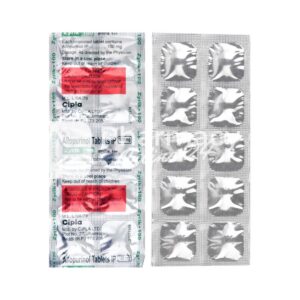
- Administered orally as tablets (commonly 100 mg and 300 mg); some regions may have 200 mg/400 mg or oral suspension preparations — no routine injectable forms.
- Serum uric acid reduction is often detectable within a few days (2–3 days), but clinical benefit (fewer flares, tophi reduction) usually takes weeks to months; do not expect immediate relief of an acute gout attack.
- Because the active metabolite (oxypurinol) is long‑acting, once‑daily dosing provides 24‑hour urate lowering; full therapeutic effect is maintained with regular daily dosing.
- Avoid excessive alcohol: alcohol raises uric acid and can precipitate gout flares and may worsen liver effects — minimise alcohol intake while using allopurinol.
- The most common side effect is a skin rash (which may signal a serious hypersensitivity reaction — stop the drug and seek urgent medical advice); other common effects include gastrointestinal upset and mild liver enzyme elevations.
- Would you like to try allopurinol without a prescription?
Market Realities & Availability In The UK
Basic Allopurinol Information
- INN (International Nonproprietary Name): Allopurinol (also referenced as Allopurinolum or Allopurinolum Ph. Eur. in some pharmacopeias).
- Brand Names Available In United Kingdom: Allopurinol (manufacturers include Teva, Sandoz, Mylan, Accord, Zentiva) and the originator Zyloric are listed as representative brands; tablets are commonly supplied in blister packs in 100 mg and 300 mg strengths.
- ATC Code: M04AA01 (Musculo-skeletal system; Antigout preparations; Preparations inhibiting uric acid production; Allopurinol).
- Forms & Dosages: Tablets are the standard form, 100 mg and 300 mg being most common globally; some regions list 200 mg, 400 mg, suspension or compounded forms, but oral tablets are the norm.
- Manufacturers In United Kingdom: Major global suppliers used in the UK market include Teva, Sandoz, Mylan, Accord and Zentiva; originator product Zyloric (Sanofi) may still appear in some formularies.
- Registration Status In United Kingdom: Widely registered and available under national regulatory oversight (MHRA) and through EMA/national competent authorities internationally; allopurinol is included on the WHO Essential Medicines List.
- OTC / Rx Classification: Prescription-only (Rx) in the UK and other territories due to the risk of serious side effects.
Where Patients Actually Buy Allopurinol
Most patients in the UK obtain allopurinol on prescription through the NHS via their GP or hospital specialist.
High-street chains such as Boots, LloydsPharmacy and Superdrug commonly dispense generics on NHS and private prescriptions.
Online pharmacies that accept electronic prescriptions are increasingly used for repeat supplies and convenience.
Some customers choose private prescriptions for branded options such as Zyloric, but generics from Teva, Sandoz and Mylan dominate supply and pricing.
Supply, Brand Mix And Packaging Notes
Tablets in 100 mg and 300 mg strengths are the standard pack formats across the UK and Europe.
Blister packs are the usual packaging, with some manufacturers offering different pack sizes to suit titration and maintenance therapy.
Local shortages are intermittent and can mean a patient receives a different manufacturer on repeat prescriptions.
Patients commonly ask about “generic vs Zyloric” and the price differences; pharmacists should explain equivalent INN formulations and any minor excipient differences.
Patient Experiences, Adherence And Expectations
Common Patient Concerns
“Will this stop my gout attacks straight away?” is a frequent question because patients expect immediate relief.
Explain that allopurinol prevents future flares and reduces tophi and stones, but it does not treat acute pain.
Patients worry about skin rashes and the small risk of severe reactions, which is a common reason for non‑adherence.
Other concerns include gastrointestinal upset and the perception of no immediate benefit, which can lead to stopping treatment early.
Practical Counselling Points For Pharmacists
Start by telling the patient what to expect during initiation: the drug is preventive and benefits build over weeks to months.
Emphasise the importance of slow titration and monitoring of serum urate to reach targets and reduce long‑term complications.
- Key counselling points: take as prescribed, expect prevention rather than immediate pain relief, stay hydrated to reduce stone risk.
- Red flags to report: any new widespread rash, mucosal lesions, fever, or unexplained liver/renal symptoms—stop and seek urgent review.
- Practical advice: plan for prophylactic colchicine or NSAID cover when starting therapy if recommended by the prescriber to reduce early flares.
Use local drug charts to show typical starting doses (commonly 100 mg/day) and usual maintenance doses (200–300 mg/day), and explain that some specialist regimens may go higher with close supervision.
Product Identity And Mechanism
INN, Classification And Pharmacology
The International Nonproprietary Name is Allopurinol, referenced in pharmacopeias as Allopurinolum or Allopurinolum Ph. Eur.
Allopurinol is classified under ATC code M04AA01 as a preparation inhibiting uric acid production.
It belongs to the xanthine oxidase inhibitors and works by blocking the enzyme xanthine oxidase, reducing the synthesis of uric acid.
Practical Meaning For Patients
Blocking uric acid synthesis lowers serum urate and over time reduces gouty arthritis, tophi and the risk of uric acid kidney stones.
This mechanism explains why the effect is preventive and why serum urate testing is required to guide dose titration.
Allopurinol is registered with regulatory authorities including the MHRA and is included on the WHO Essential Medicines List, which can reassure patients about its established role.
Definition list to keep on a product page: INN (Allopurinol), ATC code (M04AA01), common brand names (Zyloric and listed generics), and main manufacturers (Teva, Sandoz, Mylan, etc.).
Licensed Indications And Everyday Uses
Primary Clinical Uses In Pharmacy Practice
Allopurinol is authorised for chronic gout due to hyperuricaemia, prevention of uric acid nephrolithiasis and prophylaxis of tumour lysis syndrome in high‑risk chemotherapy patients.
It is not indicated for treating an acute gout attack and should not be started during a flare.
For chronic gout the usual approach is long‑term therapy with dose titration to a target serum urate level.
Off‑Label And Specialist Uses
Paediatric use is limited and generally confined to tumour lysis prophylaxis or rare inherited disorders, using weight‑based dosing (typically 10–20 mg/kg/day, max ~400 mg/day).
Specialist oncology teams commonly use short high‑dose regimens for tumour lysis syndrome prevention, often in the 600–800 mg/day range divided over the day.
Each indication should be accompanied by notes about time to benefit, monitoring frequency and commonly co‑prescribed agents such as colchicine for flare prophylaxis.
Available Formulations, Packaging And Dosing Options
Tablet Strengths And Common Pack Formats
Oral tablets are the standard formulation, with 100 mg and 300 mg the most common strengths worldwide.
Packs are typically blistered, which helps with adherence and protecting tablets from moisture and light.
Some markets list 200 mg or 400 mg tablets or compounded suspensions, but injectable or topical forms are not routine for clinical practice.
Regional Variations And Pharmacy Stock Tips
Pharmacies should routinely stock 100 mg tablets for initial titration and 300 mg for maintenance where possible.
Advise patients about splitting 300 mg tablets if prescribers recommend two doses of 150 mg equivalent—show how this compares to taking multiple 100 mg tablets for convenience.
Keep images of blister packs on product pages and a compact table listing strength, pack sizes and typical suppliers to improve patient confidence and conversion.
Dosing Strategy And Dose Adjustment
Starting Doses And Titration
Initiate at a low dose and titrate according to serum uric acid levels with a common starting dose of 100 mg once daily.
Most adults require maintenance in the region of 200–300 mg daily, with severe hyperuricaemia sometimes needing 400–600 mg daily.
Specialist cases may go up to 800 mg/day with specialist oversight and repeat monitoring.
Renal, Hepatic And Special‑Population Adjustments
Renal impairment requires dose reductions; in severe renal dysfunction (CrCl <20 mL/min) doses are often limited to 100 mg/day and alternative therapies may be considered.
Elderly patients should start at the lowest effective dose and undergo renal monitoring.
Hepatic impairment requires caution and follow‑up liver function testing during therapy.
Initiation Protocols And Concomitant Therapy
Preventing Initial Gout Flares
Starting allopurinol can paradoxically precipitate gout flares during the early weeks and months of therapy.
Many clinicians recommend prophylaxis with low‑dose colchicine or an NSAID for 3–6 months when initiating urate‑lowering therapy, unless contraindicated.
Tumour lysis prophylaxis follows different protocols with higher short‑term dosing and should be coordinated with oncology teams.
Practical Checklist For Pharmacy Counselling
- Initiation checklist: confirm current serum urate and recent renal function, check for azathioprine/6‑MP therapy, enquire about prior severe cutaneous reactions, and document HLA‑B*5801 risk in at‑risk ethnicities.
- When to contact the prescriber: rising creatinine, new rash, signs of systemic hypersensitivity, or if urate remains above target despite dose increases.
Recommend review at 2–4 weeks after starting, then every 3 months until stable, and tailor prophylaxis and titration to the individual patient.
Contraindications, Genetic Risks And Red Flags
Absolute And Relative Contraindications
Absolute contraindications include known hypersensitivity to allopurinol or excipients and prior severe cutaneous adverse reactions such as Stevens‑Johnson Syndrome or Toxic Epidermal Necrolysis.
Do not initiate during an acute gout attack.
Relative cautions include significant renal or hepatic impairment and pregnancy or breastfeeding where use is only if essential.
HLA‑B*5801 And Population Risk Profiling
HLA‑B*5801 positivity is associated with a higher risk of severe cutaneous adverse reactions, particularly in some Asian populations.
Consider genetic testing in patients from high‑risk ethnic groups prior to initiation where local pathways recommend it.
Provide a clear red‑flag box for patients: stop the medicine and seek urgent care for widespread rash, mucosal lesions, high fever, yellowing of the skin or reduced urine output.
Side‑Effect Profile And Management
Common Mild Adverse Reactions
Common milder effects are skin rash, nausea, diarrhoea, headache and transient liver enzyme elevations.
An acute gout flare is a recognised short‑term effect of initiation and patients should be reassured and supported to continue therapy under cover if advised by the prescriber.
Recognising And Responding To Severe Reactions
Severe but rare reactions include severe cutaneous adverse reactions (SJS/TEN) and allopurinol hypersensitivity syndrome with systemic involvement.
If a severe rash or systemic signs occur, stop allopurinol immediately and seek urgent hospital assessment.
Report suspected adverse reactions to the MHRA Yellow Card Scheme.
| Symptom | Pharmacy Action |
|---|---|
| Localised mild rash | Advise prescriber review; stop if spreading or systemic symptoms appear |
| Widespread rash, mucosal lesions, fever | Stop medicine immediately and seek urgent medical assessment |
| GI upset or headache | Advise supportive measures; consider dose timing changes or check interactions |
Drug Interactions And Pharmacy Safety Checks
Major Interactions With Clinical Implications
Azathioprine and mercaptopurine are critical interactions; coadministration with allopurinol increases active metabolites and toxicity risk, requiring dose adjustments or avoidance.
Febuxostat switching and combined nephrotoxins need specialist oversight and renal monitoring.
Monitor warfarin and other narrow therapeutic index drugs where interactions may alter INR or drug levels.
Practical Dispensing And Counselling Points
| Drug | Risk | Action |
|---|---|---|
| Azathioprine / 6‑MP | Marked increase in toxicity | Do not co‑prescribe without specialist dose adjustment; contact prescriber |
| Warfarin | Possible INR changes | Monitor INR after initiation or dose change |
| Nephrotoxic agents | Increased renal injury risk | Ensure renal function monitoring; avoid combinations where possible |
Before dispensing, check for immunosuppressants, recent chemotherapy, and up‑to‑date renal function for higher doses.
Storage, Missed Dose And Overdose Guidance
Storage And Transport Best Practice
Store allopurinol below 25°C in its original packaging to protect from light and moisture.
Do not freeze; use temperature‑controlled transport for prolonged delivery times when possible.
Advise patients to keep medicine in original blister packs until taken to support adherence.
Patient Instructions For Missed Doses And Overdose
If a dose is missed, take it as soon as remembered unless the next dose is due; do not double up.
In case of suspected overdose, seek immediate medical attention; supportive care is the mainstay of management.
Advise safe disposal of unused medicines via pharmacy return schemes and local take‑back services.
Alternatives, Switches And Specialist Options
When To Consider Alternatives
Consider alternatives when a patient has true intolerance or prior severe hypersensitivity to allopurinol.
Febuxostat is an alternative xanthine oxidase inhibitor used when allopurinol is unsuitable, but it carries cardiovascular considerations and normally requires specialist assessment.
Uricosurics such as probenecid require adequate renal function and are less used in older patients.
Comparing Allopurinol Versus Febuxostat And Others
| Drug | Mechanism | Indication | Notes |
|---|---|---|---|
| Allopurinol | Xanthine oxidase inhibitor | Chronic gout, TLS prophylaxis | First‑line; renal dose adjustments required |
| Febuxostat | Xanthine oxidase inhibitor | Allopurinol intolerance | Specialist switch; cardiovascular cautions |
| Rasburicase | Urate oxidase enzyme | TLS (rapid reduction) | Used in oncology settings; IV only |
Encourage referral to secondary care for complex switching, high‑dose regimens or when alternative mechanisms are required.
Purchasing, Pricing And NHS Context For UK Customers
NHS Prescription Versus Private Purchase
Allopurinol is prescription‑only in the UK and commonly obtained on an NHS prescription from a GP or specialist.
Generics dominate the market and generally provide cost savings compared with branded Zyloric where it is available.
Patients in Scotland, Wales and Northern Ireland obtain prescriptions under different cost arrangements than England, and UK exemptions may apply.
Online Pharmacy And Reimbursement Notes
Many online pharmacies accept electronic prescriptions and provide repeat dispensing services and pharmacist consultations.
In our online pharmacy, allopurinol is available without a prescription, with discreet delivery to United Kingdom in 5-14 days.
Provide an estimated price range for common pack sizes on product pages and include NHS codes or links to prescription services where relevant to help customers understand cost and access.
Recommended Product‑Page Elements For A Pharmacy Store
Mandatory Legal And Safety Content
Every product page should include the INN and common brand names, a clear Rx‑only statement, dosing tables by indication and a red‑flag contraindication box.
Include clear information on interactions, storage instructions, and a visible MHRA Yellow Card reporting link for adverse events.
UX Elements That Improve Conversion And Safety
- Helpful elements: downloadable patient leaflet, printable dosing chart, an interactive dosing calculator that factors renal function, and a simple FAQ addressing initiation flares and monitoring.
- Visual aids: blister‑pack photos, a schematic dosing flowchart and a “stop and call” side‑effect box improve comprehension and reduce unsafe use.
Include a comparison table of generics versus branded options and a clear explanation of prescription routes to reduce customer queries and increase conversion.
Delivery Across United Kingdom
| City | Region | Delivery time |
|---|---|---|
| London | Greater London | 5-7 days |
| Birmingham | West Midlands | 5-7 days |
| Manchester | Greater Manchester | 5-7 days |
| Glasgow | Scotland | 5-7 days |
| Leeds | West Yorkshire | 5-7 days |
| Liverpool | Merseyside | 5-7 days |
| Bristol | South West England | 5-9 days |
| Edinburgh | Scotland | 5-7 days |
| Cardiff | Wales | 5-9 days |
| Belfast | Northern Ireland | 5-9 days |
| Nottingham | East Midlands | 5-9 days |
| Sheffield | South Yorkshire | 5-9 days |
| Newcastle Upon Tyne | North East England | 5-9 days |
| Southampton | South East England | 5-9 days |
| Plymouth | Devon | 5-9 days |