
Arthritis
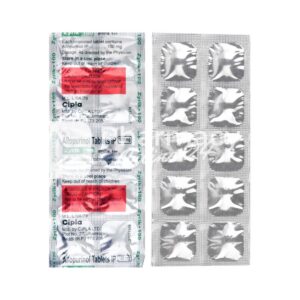
Allopurinol
from
Colchicine
from
Etoricoxib
from
Feldene
from
Indocid
from
Indomethacin
from
Naprosyn
fromUnderstanding Arthritis: Types and Causes
Arthritis is a chronic condition affecting millions of people across the United Kingdom. It encompasses over 100 different types of joint disease, with osteoarthritis and rheumatoid arthritis being the most common. The condition involves inflammation of one or more joints, leading to pain, stiffness, and reduced mobility that can significantly impact daily life.
Osteoarthritis develops when the protective cartilage in joints gradually wears down over time, typically affecting older individuals. Rheumatoid arthritis is an autoimmune condition where the body’s immune system attacks the joints, causing inflammation. Other types include gout, lupus, and psoriatic arthritis. Risk factors include age, family history, previous joint injuries, and certain lifestyle habits. Understanding your specific type of arthritis is essential for effective treatment and management.
Symptoms and When to Seek Medical Help
Common arthritis symptoms include joint pain, swelling, stiffness—particularly in the morning—and reduced range of motion. Some people experience warmth around affected joints, along with general fatigue and muscle weakness. Symptoms may develop gradually or appear suddenly, depending on the arthritis type.
You should consult your GP if joint pain persists for more than two weeks, if multiple joints are affected, or if symptoms impact your daily activities. Early diagnosis is crucial for preventing further joint damage and maintaining quality of life. Your healthcare provider may recommend blood tests, X-rays, or other imaging to confirm diagnosis. Don’t ignore warning signs, as prompt treatment can significantly slow disease progression and improve outcomes.
Over-the-Counter Pain Relief and Anti-Inflammatory Medications
Several over-the-counter medications are available in UK pharmacies to help manage arthritis symptoms. Paracetamol is widely used for pain relief and is generally safe for most people. However, non-steroidal anti-inflammatory drugs (NSAIDs) are often more effective for arthritis, particularly osteoarthritis.
Common NSAID options include ibuprofen, available under brands like Nurofen, and naproxen. These medications reduce inflammation and provide pain relief, though they should be taken with food to protect your stomach. Aspirin is another NSAID option available without prescription. Topical treatments such as ibuprofen gels and creams can be applied directly to affected joints for localised pain relief without systemic side effects.
When choosing over-the-counter pain relief, consider the following options:
- Paracetamol – suitable for general pain management
- Ibuprofen – reduces inflammation and pain effectively
- Naproxen – longer-acting NSAID requiring fewer doses
- Topical gels and creams – ideal for localised joint pain
- Aspirin – alternative NSAID with anti-inflammatory benefits
Always read the packet information carefully and follow recommended dosages. If you’re taking other medications, speak to your pharmacist about potential interactions before starting any new pain relief product.
Prescription Medications and Specialist Treatments
For moderate to severe arthritis, your GP may prescribe stronger medications. Disease-modifying antirheumatic drugs (DMARDs) are particularly important for rheumatoid arthritis, as they slow disease progression. Common options include methotrexate and sulfasalazine, which help reduce joint inflammation and damage over time.
Biological therapies are newer treatments that target specific parts of the immune system causing inflammation. These include TNF inhibitors and interleukin inhibitors, which have proven highly effective for many patients. Corticosteroids like prednisolone may be prescribed for short-term inflammation control. Stronger NSAIDs such as prescription-strength diclofenac or meloxicam are available for patients requiring additional pain relief.
Some patients benefit from joint injections containing corticosteroids or hyaluronic acid to provide targeted relief. Your rheumatologist will determine the most suitable medication based on your specific diagnosis and medical history. It’s important to attend all follow-up appointments and have regular blood tests if prescribed DMARDs or biological therapies, as these require monitoring to ensure they’re working effectively and safely.
Complementary Therapies and Lifestyle Management
Alongside medication, numerous lifestyle approaches can significantly improve arthritis management. Regular gentle exercise strengthens muscles supporting affected joints and maintains flexibility. Activities like swimming, walking, and yoga are particularly beneficial as they’re low-impact and suitable for most fitness levels.
Maintaining a healthy weight reduces stress on joints, particularly in the knees, hips, and lower back. Heat and cold therapy can provide comfort—warm baths or heat packs ease stiffness, whilst cold therapy reduces acute inflammation. These simple approaches are often overlooked but can make a real difference to daily comfort and mobility.
Dietary changes may help some people; anti-inflammatory foods including oily fish rich in omega-3 fatty acids, berries, and leafy greens support joint health. Supplements like glucosamine and chondroitin are popular among arthritis sufferers, though evidence for effectiveness varies. Speak to your pharmacist about which supplements might be appropriate for you.
Stress management through meditation and relaxation techniques helps, as stress can worsen inflammation. Occupational therapy can teach you joint protection techniques and recommend aids to maintain independence in daily activities. Assistive devices such as jar openers, grab rails, and ergonomic kitchen tools can make tasks easier and reduce joint strain.
Support Services and Resources Available in the UK
The UK offers extensive support for arthritis sufferers. Your GP is your first point of contact for diagnosis and ongoing management. Rheumatology specialists provide expert care for complex cases and can discuss the full range of treatment options available.
NHS physiotherapists offer exercise programmes specifically designed for arthritis management, helping you build strength and maintain mobility safely. Arthritis Action and the National Rheumatoid Arthritis Society provide information, support groups, and practical advice for living with arthritis. These organisations have extensive online resources and local meetings.
Local arthritis support groups connect you with others facing similar challenges, offering emotional support and shared experiences. The NHS Choices website provides comprehensive information about arthritis types and management options. Your pharmacy team can offer medication advice, lifestyle recommendations, and help with compliance with your treatment regimen.
Disability support services can help with workplace adjustments and benefit entitlements you may be entitled to. Charitable organisations often provide grants for mobility aids and home adaptations to make daily life easier. Don’t hesitate to ask your healthcare provider about available resources—managing arthritis effectively requires a comprehensive approach combining medical treatment, lifestyle adjustments, and emotional support. With the right combination of treatments and support, most people with arthritis can maintain an active and fulfilling life.