Etoricoxib
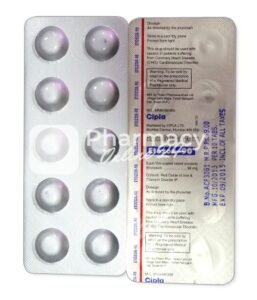
In brief
- In some pharmacies you can buy etoricoxib without a prescription, with delivery in 5–14 days throughout the United Kingdom and discreet packaging; however, etoricoxib is officially prescription-only (POM in the UK, S4 in Australia and Rx in many countries).
- Etoricoxib is used to treat pain and inflammation in osteoarthritis, rheumatoid arthritis, ankylosing spondylitis, chronic low back pain, acute gout and acute dental pain; it is a highly selective COX‑2 inhibitor that reduces prostaglandin synthesis.
- The usual dose is 30–120 mg once daily depending on indication — osteoarthritis 30–60 mg, rheumatoid arthritis 60–90 mg, ankylosing spondylitis 90 mg, acute gout 120 mg (maximum 8 days), acute dental pain 90 mg (up to 3 days).
- Form of administration: oral tablets (commonly 60 mg, 90 mg and 120 mg; 30 mg tablets are rare); no injectable or topical formulations are currently registered.
- Onset time: analgesic effect usually begins within about 30–60 minutes after an oral dose.
- Duration of action: approximately 24 hours, allowing once‑daily dosing.
- Alcohol warning: avoid or limit alcohol as it can increase the risk of gastrointestinal bleeding, liver injury and may worsen dizziness or hypertension when taking etoricoxib.
- The most common side effect is headache.
- Would you like to try etoricoxib without a prescription?
Market Realities & Patient Experiences
Basic Etoricoxib Information
- INN (International Nonproprietary Name): Etoricoxib.
- Brand Names Available In United Kingdom: Arcoxia; Etoricoxib Accord.
- ATC Code: M01AH05.
- Forms & Dosages: Oral tablets 30 mg (rare), 60 mg, 90 mg and 120 mg.
- Manufacturers In United Kingdom: Merck Sharp & Dohme (MSD), Accord, Milpharm.
- Registration Status In United Kingdom: Approved by MHRA; Prescription Only Medicine (POM).
- OTC / Rx Classification: Prescription Only Medicine (POM).
Real-World Access And Usage
Who asks for etoricoxib at the counter and why?
Patients with long-standing osteoarthritis or a sudden gout flare often request an effective once-daily NSAID alternative.
Etoricoxib is prescribed widely across Europe, Canada and Australia but is not FDA-approved in the United States.
Community pharmacy experience shows many people report fast pain relief with the 60 mg to 90 mg doses for arthritic pain and gout.
Common patient concerns include a rise in blood pressure, leg swelling and interactions with blood pressure medicines.
Short testimonials help other customers decide quickly.
- “60 mg helped my hip pain within a day.” — Arcoxia user.
- “90 mg eased my gout attack quickly; had mild swelling.” — Patient report.
- “Doctor switched me from naproxen because of stomach issues.” — OA patient.
Patients typically rate analgesic effect, side effects and ease of once-daily dosing in quick visual blocks at pharmacy counters.
Top patient concerns: blood pressure rise, fluid retention, stomach safety, interactions with blood thinners and repeat prescribing access.
Buying Etoricoxib In The UK — NHS, Private And Online Pharmacies
Prescription Routes, NHS Vs Private Cost
How do people in the UK get etoricoxib and what does it cost?
Etoricoxib is a Prescription Only Medicine and is supplied either on an NHS prescription where local formularies apply or on a private prescription filled by community or online pharmacies.
NHS prescribing is determined by GP or consultant decision and some local commissioning groups restrict coxibs to second-line use.
Private prescriptions are commonly dispensed at major chains and independent pharmacies, and by registered online pharmacies with variable pricing and dispensing fees.
Electronic prescribing and pharmacy repeats make access easier for stable long-term patients.
| Nation | NHS Prescription Cost | Typical Private Price Band |
|---|---|---|
| England | Prescription charge applies unless exempt | £10–£30 per pack depending on strength and supplier |
| Scotland | Free prescriptions | £10–£30 per pack |
| Wales | Free prescriptions | £10–£30 per pack |
| Northern Ireland | Free prescriptions | £10–£30 per pack |
Major pharmacy chains that routinely fill private prescriptions include Boots, LloydsPharmacy, Superdrug and numerous independent chemists.
Registered online pharmacies may offer home delivery and prescription upload services for private supply.
In our online pharmacy, etoricoxib is available without a prescription, with discreet delivery to United Kingdom in 5-14 days.
Product Overview, Formulations And Packaging
Available Strengths & Brand Options
Which pack and brand should the product page show?
Etoricoxib tablets are usually supplied as 60 mg, 90 mg and 120 mg oral tablets, with 30 mg available only rarely.
Branded Arcoxia from MSD and generics from Zentiva, Teva, Sandoz, Ratiopharm, Accord and others supply the UK and EU market.
Typical pack formats are blisters of 28 or 30 tablets; some markets use bottles of 30.
| SKU / Brand | Strength | Pack Size | Typical Form |
|---|---|---|---|
| Arcoxia (MSD) | 60 mg, 90 mg, 120 mg | Blister x28 | Film-coated tablet |
| Etoricoxib Accord | 60 mg, 90 mg, 120 mg | Blister x28 | Film-coated tablet |
| Etoricoxib Teva / Sandoz (generics) | 60 mg, 90 mg, 120 mg | Blister x30 | Film-coated tablet |
Product pages aimed at shoppers should show pack size, strength, manufacturer, batch and expiry and country of origin where available.
Useful downloads on a product page are the Summary Of Product Characteristics and the Patient Information Leaflet as PDFs.
Indications And Typical Dosing Regimens
Condition-Specific Doses And Duration
Which dose for which condition?
- Osteoarthritis → 30–60 mg once daily → Long-term with periodic review.
- Rheumatoid Arthritis → 60–90 mg once daily → Extended use as clinically required.
- Ankylosing Spondylitis → 90 mg once daily → Extended or as needed.
- Acute Gout → 120 mg once daily → Up to 8 days maximum.
- Acute Dental Pain → 90 mg once daily → Up to 3 days only.
Etoricoxib is a Prescription Only Medicine and clinicians should review long-term need, efficacy and safety at regular intervals.
Mechanism Of Action & Clinical Implications
COX‑2 Selectivity And Expected Benefits
How does etoricoxib relieve pain and what are the trade-offs?
Etoricoxib selectively inhibits the cyclo‑oxygenase‑2 enzyme, reducing prostaglandin production that drives pain and inflammation.
Greater COX‑2 selectivity compared with non‑selective NSAIDs tends to reduce upper gastrointestinal irritation linked to COX‑1 inhibition.
The clinical advantage is effective once‑daily analgesia with a potentially lower risk of stomach ulceration compared with some non‑selective NSAIDs.
Selective COX‑2 inhibition, however, can be associated with pro‑thrombotic cardiovascular risk in susceptible patients, so benefits must be balanced against cardiovascular history.
- Pros: Once-daily dosing, targeted anti-inflammatory effect, lower upper GI irritation than some non-selective NSAIDs.
- Cons: Increased cardiovascular risk in high-risk patients, potential for fluid retention and elevated blood pressure.
Contraindications And Patient Selection
Absolute And Relative Contraindications
Who must not take etoricoxib and who needs close monitoring?
- Absolute Contraindications: Hypersensitivity to etoricoxib or other coxibs.
- Absolute Contraindications: Active peptic ulcer or gastrointestinal bleeding.
- Absolute Contraindications: Severe hepatic impairment.
- Absolute Contraindications: Severe renal impairment (eGFR <30 mL/min).
- Absolute Contraindications: Heart failure, uncontrolled hypertension, established ischaemic heart disease, peripheral arterial disease or cerebrovascular disease.
- Relative Cautions: Known cardiovascular risk factors, elderly patients, diabetes, moderate hepatic or renal impairment.
Pharmacy staff should use red‑flag callouts for those with cardiac disease or active gastrointestinal bleeding when screening prescriptions.
Side Effects, Monitoring And What Patients Should Be Told
Common Adverse Effects & Red Flags
What should patients expect and what needs monitoring?
| Common Side Effects | Serious Events | Monitoring Frequency |
|---|---|---|
| Headache, dizziness, peripheral oedema, hypertension, dyspepsia, nausea, transient LFT rises. | GI bleeding / ulceration, cardiovascular events (MI, stroke), severe hepatic injury. | Baseline blood pressure and renal function; LFTs and renal tests periodically for long‑term use (e.g., every 3–6 months depending on risk). |
Tell patients to report chest pain, sudden shortness of breath, marked leg swelling, severe abdominal pain or black stools straight away.
Advise that mild symptoms such as headache or nausea are common but should be reviewed if persistent.
Drug Interactions And Co‑Prescribing Rules
High‑Risk Combinations And Pharmacist Actions
Which drug combinations require action at the pharmacy?
| Concomitant Drug | Interaction | Pharmacist Action |
|---|---|---|
| ACE Inhibitors / ARBs / Diuretics | Risk of reduced renal function and diminished antihypertensive effect. | Check renal function, advise monitoring and liaise with prescriber if AKI risk. |
| Anticoagulants / SSRIs | Increased risk of bleeding. | Advise bleeding precautions, confirm indication and monitor INR where relevant. |
| Aspirin / Other NSAIDs | Additive GI and cardiovascular risk; reduced safety. | Avoid combination unless specifically advised; seek prescriber clarification. |
| Lithium / Methotrexate | Reduced clearance and risk of toxicity. | Recommend monitoring serum levels and renal function; notify prescriber. |
Pharmacists should verify the indication, check cardiovascular history, record repeat prescriptions and counsel patients on warning symptoms.
Renal, Hepatic And Elderly Dosing Considerations
Adjustment Guidance And Contraindications
How should dosing change for organ impairment and older patients?
- Renal: Avoid in severe renal impairment (eGFR <30 mL/min).
- Hepatic: Mild impairment → limit to 60 mg/day.
- Hepatic: Moderate impairment → 60 mg every other day.
- Hepatic: Severe impairment → contraindicated.
- Elderly: No automatic dose reduction for age alone but monitor renal function, blood pressure and concomitant medicines closely.
- Paediatrics: Not indicated for children.
When in doubt, consult the SPC for detailed dose-adjustment rules and liaise with the prescriber for frail or multi‑morbid patients.
Overdose, Missed Doses And Storage/Disposal
Patient Instructions And Pharmacy Responsibilities
What to do in the event of a missed dose or accidental overdose?
- Missed Dose: Take as soon as remembered unless the next dose is due; do not double up to make up the dose.
- Overdose: Seek emergency care immediately; there is no specific antidote and management is supportive with monitoring of renal, hepatic and cardiovascular status.
- Storage: Store below 30°C, away from moisture and light; do not refrigerate and keep in original packaging during transport.
- Disposal: Return unused tablets to a pharmacy medicine take‑back service for safe disposal.
Pharmacists must provide clear emergency steps and document counselling for patients receiving higher doses such as 120 mg for gout.
Clinical Evidence Highlights
Efficacy Vs Safety Trade‑Offs
What does the trial evidence say about benefit and harm?
Randomised trials and pooled analyses show etoricoxib provides effective analgesia for osteoarthritis, rheumatoid arthritis, ankylosing spondylitis and acute gout with rapid onset at recommended doses.
Comparative studies indicate fewer upper gastrointestinal events compared with some non‑selective NSAIDs, supporting its use where GI protection is a priority.
However, cardiovascular event rates were higher in particular high‑risk cohorts in several comparative analyses, emphasising risk stratification before long‑term use.
| Condition | Primary Benefit | Safety Note |
|---|---|---|
| Osteoarthritis | Improved pain and function vs placebo | Lower upper GI risk vs some NSAIDs; monitor CV risk |
| Acute Gout | Rapid symptom control at 120 mg | Short course recommended; limit to 8 days |
Citations and full regulatory documents such as the SPC and EMA summaries should be linked on product pages for clinical credibility.
Alternatives And Positioning
When To Choose Etoricoxib Vs Others
Which patients are best suited to etoricoxib and what alternatives exist?
| Comparator | Pros | Cons | Typical Dose |
|---|---|---|---|
| Celecoxib | COX‑2 selectivity, once or twice daily options | Similar CV caution in high‑risk patients | 100–200 mg once or twice daily |
| Naproxen / Ibuprofen | Widely available, lower CV signal for naproxen | More upper GI irritation; multiple daily dosing | Naproxen 250–500 mg twice daily; Ibuprofen 200–400 mg up to TDS |
| Topical NSAIDs | Lower systemic exposure, good for local OA | Less suitable for systemic inflammatory disease | Apply per product instructions |
Etoricoxib is positioned where once‑daily COX‑2 therapy is preferred and gastrointestinal risk reduction is important, provided cardiovascular risk is low.
Consider gastroprotection with a PPI where GI risk remains a concern and review any low‑dose aspirin use due to antiplatelet interactions.
Packaging, Labelling, Patient Leaflets And Product‑Page UX
Mandatory Info And Conversion For Online Sales
What must be visible on a product page for a Prescription Only Medicine?
- Legal status: clearly labelled as Prescription Only Medicine (POM).
- Active ingredient, strength, manufacturer, batch and expiry details prominently displayed.
- Downloadable SPC and PIL PDF links for patient and clinician reference.
- Clear contraindication callout and a “Speak To Your GP/Pharmacist” banner for safety.
- Controlled purchase flow requiring prescription upload or pharmacist review before dispatch.
Good UX includes tablet photography, pack images, a dosing chart and a quick‑read contraindication box and a pharmacist Q&A or video to increase trust and conversion.
Price, Supply Chain, Manufacturers And Formulary Notes
Sourcing, Generics And NHS Formulary Considerations
Who supplies etoricoxib and what should buyers watch for?
| Manufacturer | Common Pack | Supply Notes |
|---|---|---|
| MSD (Arcoxia) | Blister x28 | Branded supply; may command higher price; widely registered across EU, Canada, Australia |
| Zentiva / Teva / Sandoz / Ratiopharm / Accord | Blister x28 / x30 | Multiple generics with variable country origin; suitable for substitution when available |
| Milpharm | Blister x28 | UK-specific suppliers often used by wholesalers |
Pharmacy buyers should note batch variability and occasional shortages that prompt substitution between branded and generic products.
Local formulary restrictions may limit NHS prescribing of COX‑2 inhibitors, so include prescriber guidance on alternative options when supply is constrained.
SEO, Content Strategy And Trust Signals For The Product Page
Keywords, Schema, FAQ And Pharmacist Trust
How to make a product page rank and convert while remaining compliant?
- Target clear search terms such as etoricoxib tablets and Arcoxia 90 mg in headings and meta fields.
- Include structured data: Product schema, MedicalTherapy or Medication markup where appropriate and FAQ schema for common queries.
- Display regulatory trust signals like MHRA approval, SPC link and pharmacist credentials near the purchase CTA.
- Offer a pharmacist consultation booking CTA and a transparent prescription upload process.
Useful FAQs should answer dosing, interactions, contraindications and how to obtain a prescription, and should appear as an accordion to aid UX and SEO.
Delivery Across United Kingdom
| City | Region | Delivery Time |
|---|---|---|
| London | England | 5–7 days |
| Birmingham | England | 5–7 days |
| Manchester | England | 5–7 days |
| Glasgow | Scotland | 5–7 days |
| Leeds | England | 5–7 days |
| Liverpool | England | 5–7 days |
| Bristol | England | 5–7 days |
| Edinburgh | Scotland | 5–7 days |
| Cardiff | Wales | 5–9 days |
| Belfast | Northern Ireland | 5–9 days |
| Newcastle | England | 5–9 days |
| Sheffield | England | 5–9 days |
| Nottingham | England | 5–9 days |
| Southampton | England | 5–9 days |
| Portsmouth | England | 5–9 days |
Practical Pharmacy Checklist And Closing Notes
What To Do At Dispensing
Use this short checklist when dispensing etoricoxib.
- Verify prescription and indication against typical dosing regimens.
- Check cardiovascular history, blood pressure and renal function records.
- Screen for interacting medicines such as anticoagulants, lithium or methotrexate.
- Provide the PIL and advise on red‑flag symptoms and storage/disposal.
- Record batch and expiry and keep a counselling note for repeat supply.
Keep product pages up to date with SPC and PIL downloads and ensure the prescription upload flow is secure and prominent.
Patients should be encouraged to contact the pharmacist or prescriber if they experience worrying side effects or if they are starting new medicines that might interact.