
Antibacterial
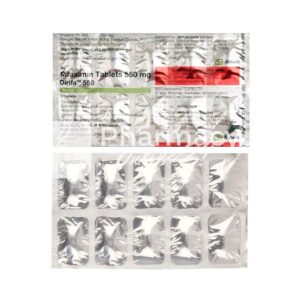
Xifaxanta
from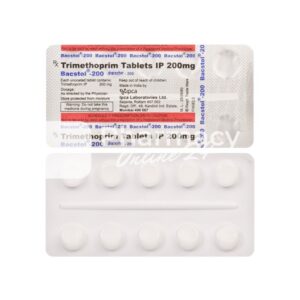
Bactrim
from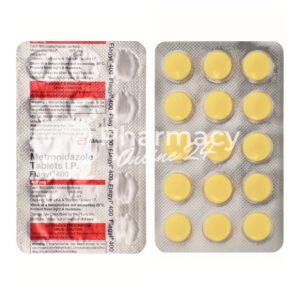
Flagyl
from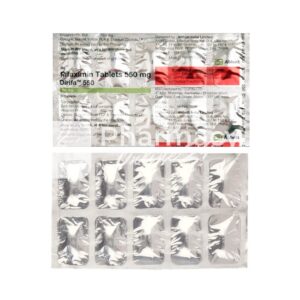
Rifaximin
from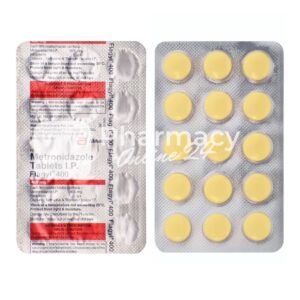
Metronidazole
from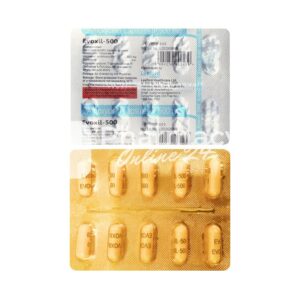
Levofloxacin
from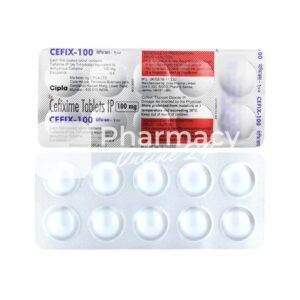
Suprax
from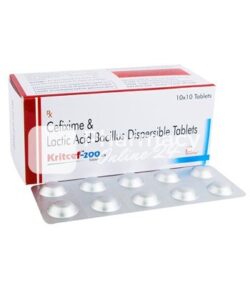
Cefixime
from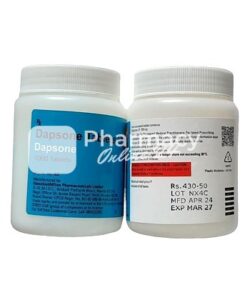
Dapsone
fromWhat Are Antibacterial Products?
Antibacterial products are specially formulated preparations designed to kill or inhibit the growth of bacteria on the skin and surfaces. These products contain active ingredients that disrupt bacterial cell walls or interfere with their metabolic processes. Antibacterial items range from hand washes and soaps to topical creams and wound care solutions. In the United Kingdom, antibacterial products are widely available both over-the-counter and on prescription, depending on their strength and intended use. They play a crucial role in preventing infections, particularly in healthcare settings, households, and personal hygiene routines.
Understanding the difference between antibacterial and antiseptic products is important, as antibacterials specifically target bacteria, whilst antiseptics work against a broader range of microorganisms. The UK’s regulatory bodies, including the Medicines and Healthcare products Regulatory Agency (MHRA), ensure that all antibacterial products meet strict safety and efficacy standards before reaching consumers. This rigorous oversight guarantees that products available in UK pharmacies maintain high quality and effectiveness for consumer protection.
Types of Antibacterial Medications Available in the UK
Topical Antibacterial Creams and Ointments
Topical antibacterial preparations are among the most commonly used antibacterial products in UK pharmacies. These include mupirocin cream, which is effective against skin infections caused by Staphylococcus aureus and Streptococcus pyogenes. Fusidic acid is another popular choice, particularly for treating infected eczema and minor skin wounds. Neomycin-containing products are also widely available and useful for preventing infection in minor cuts and grazes. Bacitracin is frequently found in combination products available over-the-counter in the UK market.
Oral Antibacterial Medications
Oral antibacterial tablets and capsules are prescribed by doctors for systemic infections. Common options include amoxicillin, which remains one of the most frequently prescribed antibiotics in the United Kingdom. Penicillin V is another traditional choice for various bacterial infections. Erythromycin, a macrolide antibiotic, is prescribed when patients have penicillin allergies. Trimethoprim and co-amoxiclav (amoxicillin with clavulanic acid) are also regularly dispensed by UK pharmacists. These medications require careful use and should only be taken as prescribed, as misuse contributes to antibiotic resistance.
Antibacterial Hand Washes and Soaps
Hand hygiene products containing antibacterial agents are staple items in UK pharmacies and supermarkets. Triclosan and triclocarban have been popular antibacterial agents in hand washes, though their use has become more restricted in recent years. Chlorhexidine-based hand washes offer strong antibacterial protection and are particularly popular in healthcare settings. Povidone-iodine hand washes provide broad-spectrum antibacterial coverage. Alcohol-based hand sanitisers, particularly those containing at least 60% alcohol, have become increasingly popular, especially following recent global health concerns.
Common Uses and Applications
Wound Care and Minor Infections
Antibacterial products are essential for treating minor cuts, grazes, and small wounds to prevent bacterial infection. They help reduce the risk of complications and promote faster healing. People often use antibacterial creams immediately after an injury to create a protective barrier against harmful bacteria. In the UK, pharmacists frequently recommend antibacterial preparations for minor wound care before they develop into more serious infections requiring systemic antibiotics.
Skin Conditions and Infections
Various skin conditions benefit from antibacterial treatment. Acne, particularly when bacterial involvement is present, responds well to topical antibacterial products. Impetigo, a highly contagious bacterial skin infection common in children, is typically treated with topical antibacterial creams as a first-line approach. Infected eczema and dermatitis often require antibacterial intervention to prevent secondary bacterial colonisation. Folliculitis and boils may also be managed with antibacterial products, depending on severity.
Prevention in Healthcare Settings
UK hospitals and healthcare facilities extensively use antibacterial products to prevent healthcare-associated infections. Medical staff use antibacterial hand washes and sanitisers regularly throughout their shifts. Antibacterial solutions are used to clean medical equipment and prepare skin before surgical procedures. These preventative measures significantly reduce infection rates in vulnerable patient populations and are fundamental to maintaining safe healthcare environments.
Personal Hygiene and Prevention
Many people use antibacterial hand washes and soaps as part of their daily hygiene routine to reduce the risk of catching and spreading bacterial infections. This is particularly important when handling food, caring for young children, or after using public facilities. Antibacterial products help maintain good personal hygiene standards and contribute to overall health protection. Regular use in these contexts provides an additional layer of defence against common bacterial pathogens.
How Antibacterial Products Work
Antibacterial agents function through several different mechanisms to eliminate or inhibit bacteria. Some work by damaging the bacterial cell membrane, causing the cell to leak and eventually die. Others interfere with bacterial protein synthesis, preventing the bacteria from reproducing and growing. Certain antibacterial compounds inhibit cell wall formation, making bacteria unable to maintain their structural integrity. The mode of action depends on the specific active ingredient used in the product.
Understanding how these products work helps users appreciate why proper application and use are important for maximum effectiveness. Different bacteria may respond differently to various antibacterial agents, which is why healthcare professionals sometimes need to select specific products for particular infections. The effectiveness of antibacterial products can be reduced if bacteria develop resistance, which is why it’s crucial not to overuse these products unnecessarily. This scientific understanding underpins recommendations from the UK health authorities regarding responsible use.
When to Use Antibacterial Products
Appropriate Times for Use
Antibacterial products should be used when there is genuine risk of bacterial infection or when a bacterial infection is already present. Using them appropriately helps prevent unnecessary antibiotic resistance. Minor cuts and grazes benefit from antibacterial treatment, particularly if they are dirty or deep. After handling raw meat or using the toilet, antibacterial hand washing is recommended. When caring for vulnerable people, such as infants or elderly relatives, using antibacterial products during personal care routines is sensible.
Consulting Healthcare Professionals
It’s important to consult your GP or pharmacist before using antibacterial products if you have sensitive skin, allergies, or existing skin conditions. Healthcare professionals can recommend the most suitable products for your individual needs. If an infection doesn’t improve within a few days of using over-the-counter antibacterial products, seeking professional advice is essential. Prescription-strength antibacterial medications should only be used under medical supervision and exactly as prescribed. Self-diagnosing infections and self-treating with antibacterial products can sometimes delay appropriate treatment.
Important Considerations and Safety Information
Antibiotic Resistance
Overuse of antibacterial products contributes to the development of antibiotic-resistant bacteria, a growing concern in the UK and worldwide. Using antibacterial products only when genuinely necessary helps preserve their effectiveness for future use. Following prescribed courses of antibiotics completely, even if symptoms improve earlier, prevents resistance development. Public health campaigns in the UK emphasise the importance of using antibacterial products responsibly. The NHS and Public Health England actively promote awareness about this critical issue to protect public health.
Potential Side Effects and Allergies
Some people may experience allergic reactions to certain antibacterial ingredients. Common reactions include skin rashes, irritation, or itching at the application site. If you develop an allergic reaction, discontinue use and consult a healthcare professional. Certain antibacterial products may interact with other medications, so it’s important to inform your pharmacist about all medications you’re taking. Pregnant women and nursing mothers should check with their healthcare provider before using antibacterial products, particularly oral medications.
Storage and Disposal
Proper storage and disposal of antibacterial products are essential for maintaining safety and environmental responsibility:
- Store antibacterial products according to instructions on the packaging, typically in a cool, dry place away from direct sunlight
- Keep all medications out of reach of children and pets
- Never share antibacterial medications prescribed for one person with another person, even if symptoms appear similar
- Return expired antibacterial products to a pharmacy for proper disposal rather than throwing them away in household waste
- Check packaging labels for specific storage temperature requirements
Following these guidelines ensures that antibacterial products remain effective and safe whilst minimising environmental impact. UK pharmacies provide guidance on disposal and are happy to accept returned medications.