
Mental Disorders
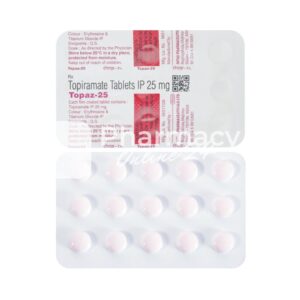
Topiramate
from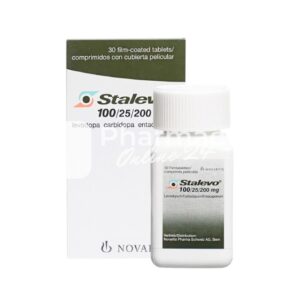
Stalevo
from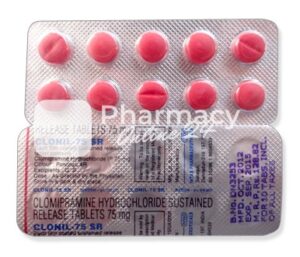
Clomipramine
from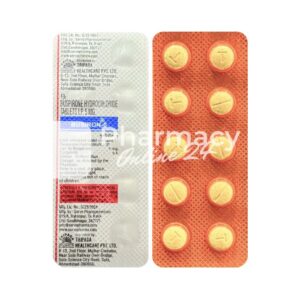
Buspirone
from
Olanzapine
from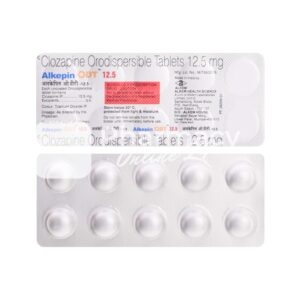
Clozaril
from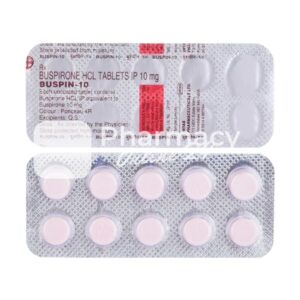
Buspar
from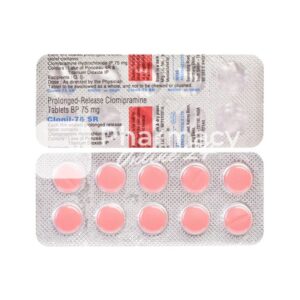
Anafranil
from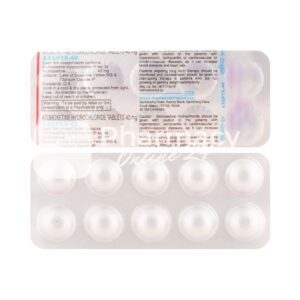
Strattera
from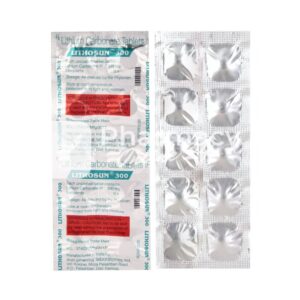
Lithium
fromDepression
Depression is one of the most common mental health conditions affecting millions of people across the United Kingdom. It goes beyond temporary sadness and involves persistent low mood, loss of interest in activities, and significant changes in daily functioning. This condition can impact work, relationships, and overall quality of life, requiring proper medical attention and support.
What Depression Treatment Is Used For
Depression treatment focuses on restoring emotional balance and helping individuals regain interest in daily activities. Treatment aims to improve mood, increase energy levels, and restore the ability to enjoy life. Early intervention is crucial for better outcomes, as prompt treatment can prevent symptoms from worsening and reduce the impact on personal and professional relationships.
Available Medications in the UK
Several antidepressants are commonly prescribed in the United Kingdom. Treatment options include:
- SSRIs (Selective Serotonin Reuptake Inhibitors) such as Sertraline, Fluoxetine, and Paroxetine, which are first-line treatments
- SNRIs including Venlafaxine and Duloxetine, widely available across NHS services
- Tricyclic antidepressants like Amitriptyline, remaining options for certain patients
- Newer medications including Escitalopram and Citalopram, frequently prescribed across the NHS
Additional Information
Depression often requires combined treatment approaches including therapy, lifestyle changes, and medication. The NHS provides access to talking therapies, cognitive behavioural therapy, and counselling alongside medication management. Recovery times vary, and finding the right medication may involve some adjustment period.
Anxiety Disorders
Anxiety disorders encompass a range of conditions characterised by excessive worry, fear, and nervousness that interfere with daily life. These conditions are highly treatable, and many people in the UK successfully manage their anxiety symptoms through appropriate medical and psychological support.
What Anxiety Disorder Treatment Is Used For
Anxiety treatment addresses overwhelming worry, panic attacks, social fears, and phobias. Medications help reduce physical symptoms like rapid heartbeat and excessive sweating whilst therapy addresses underlying thought patterns and behaviours that maintain anxiety. Effective treatment restores confidence and enables individuals to engage fully in daily activities.
Available Medications in the UK
Treatment options for anxiety disorders in the UK include:
- SSRIs such as Sertraline and Paroxetine, which are first-line treatments for generalised anxiety disorder
- Benzodiazepines like Diazepam and Lorazepam, providing short-term relief but prescribed cautiously due to dependency risks
- Buspirone, offering an alternative for chronic anxiety management
- Beta-blockers such as Propranolol, helping manage physical anxiety symptoms, particularly in social situations
Additional Information
NHS services offer cognitive behavioural therapy and exposure therapy alongside medication. Regular exercise, relaxation techniques, and breathing exercises complement pharmaceutical treatments. Most anxiety disorders respond well to treatment when people seek help early and engage consistently with their care plan.
Bipolar Disorder
Bipolar disorder is characterised by extreme mood swings ranging from high energy manic episodes to depressive lows. This serious mental health condition requires specialist psychiatric care and long-term medication management to maintain stability and prevent episodes that could significantly disrupt daily functioning.
What Bipolar Disorder Treatment Is Used For
Treatment stabilises mood fluctuations, prevents manic and depressive episodes, and maintains functioning during symptom-free periods. Medications manage acute episodes and provide long-term prevention, helping individuals maintain employment, relationships, and quality of life over many years.
Available Medications in the UK
Bipolar disorder treatment in the United Kingdom utilises several medication classes:
- Lithium, which remains the gold standard mood stabiliser in UK psychiatric practice, requiring regular blood monitoring
- Valproate (Depakote) and Lamotrigine, effective alternatives for mood stabilisation
- Atypical antipsychotics including Quetiapine, Olanzapine, and Aripiprazole, commonly prescribed for bipolar management
- Combination therapy often involving mood stabilisers with antipsychotics or antidepressants for optimal control
Additional Information
Bipolar disorder requires specialist psychiatric management and regular monitoring through NHS community mental health teams. These services support medication management and psychological interventions tailored to individual needs. Lifestyle factors, stress management, and medication adherence are essential for long-term stability and preventing relapse.
Schizophrenia and Psychotic Disorders
Schizophrenia and related psychotic disorders involve distorted thinking, hallucinations, and delusions that severely impact perception of reality. These complex conditions require specialist psychiatric treatment and sustained medication management available through NHS mental health services across the UK.
What These Conditions Are Treated For
Treatment addresses hallucinations, delusional thinking, disorganised speech, and negative symptoms affecting motivation and emotion. Medications help restore contact with reality, reduce distressing symptoms, and enable individuals to engage with recovery and rehabilitation programmes that support social reintegration.
Available Medications in the UK
Antipsychotic medications available in the United Kingdom include:
- First-generation antipsychotics like Haloperidol, remaining available but used cautiously due to side effects
- Second-generation antipsychotics including Risperidone, Olanzapine, Quetiapine, and Aripiprazole, preferred due to better tolerability
- Clozapine, reserved for treatment-resistant cases when other medications prove ineffective
- Long-acting depot injections, providing extended medication coverage for adherence support
Additional Information
Early intervention services across the UK provide specialist care for first-episode psychosis, improving long-term outcomes. Community mental health teams deliver medication management, supported employment, and family support programmes. Recovery-focused approaches emphasise rehabilitation and social integration alongside pharmacological treatment.
Obsessive-Compulsive Disorder (OCD)
OCD involves intrusive unwanted thoughts and repetitive compulsive behaviours that significantly interfere with daily functioning. This anxiety-related disorder is treatable, with many people achieving substantial symptom reduction through appropriate medication and psychological therapy available within the NHS.
What OCD Treatment Is Used For
Treatment reduces the intensity of obsessive thoughts and compulsive urges, allowing individuals to regain control of their behaviour and reduce associated anxiety. Medications help decrease the intrusive nature of thoughts whilst therapy addresses underlying anxiety patterns and breaking the cycle of obsessions and compulsions.
Available Medications in the UK
OCD medications prescribed throughout the United Kingdom include:
- SSRIs including Fluoxetine, Sertraline, Paroxetine, and Citalopram, which are first-line treatments often requiring higher doses than depression treatment
- Clomipramine, a tricyclic antidepressant, remaining effective for OCD management
- Augmentation strategies with antipsychotics like Risperidone, considered when SSRIs alone prove insufficient
Additional Information
Cognitive behavioural therapy with exposure and response prevention is highly effective for OCD. The NHS provides specialised OCD services in many areas, with trained therapists experienced in this specific condition. Combined medication and therapy provides optimal outcomes for most individuals with OCD.
ADHD (Attention-Deficit/Hyperactivity Disorder)
ADHD affects attention, impulse control, and activity levels, impacting academic performance, work productivity, and social relationships. Though often identified in childhood, many adults receive diagnosis and benefit from treatment available through NHS psychiatry services and private specialists across the United Kingdom.
What ADHD Treatment Is Used For
ADHD medications improve concentration, reduce impulsivity, and increase sustained attention. Treatment helps individuals organise tasks, manage time effectively, and improve academic or work performance. Proper management significantly enhances quality of life and functioning in educational, occupational, and social contexts.
Available Medications in the UK
ADHD medications available in the UK include:
- Methylphenidate (Ritalin, Concerta) and Amphetamine-based stimulants (Adzenys), which are primary treatments
- Atomoxetine, a non-stimulant offering an alternative for those unable to tolerate stimulants
- Guanfacine, increasingly available for ADHD management
- Extended-release formulations, providing all-day coverage and improving compliance and effectiveness
Additional Information
ADHD assessment requires specialist evaluation including psychological testing and clinical history. The NHS provides diagnosis and ongoing medication management through designated ADHD services. Psychological support, behavioural strategies, educational adjustments, and workplace accommodations complement medication. Regular monitoring ensures optimal dosing and addresses any side effects effectively throughout treatment.