
Antibiotics
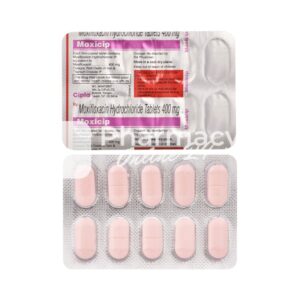
Avelox
from
Rifampin
from
Exocin
from
Cefalexin
from
Ciprofloxacin
from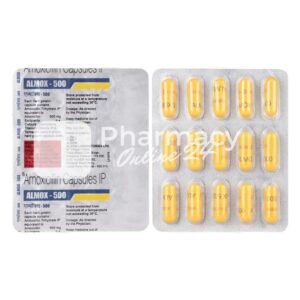
Amoxicillin
from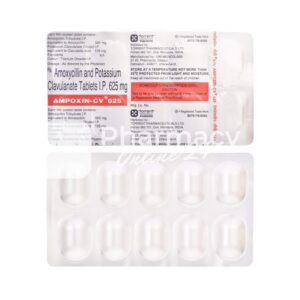
Augmentin
from
Ciproxin
from
Erythromycin
from
Amoxil
from
Doxycycline
from
Suprax
from
Bactrim
from
Metronidazole
from
Flagyl
from
Zithromax
fromUnderstanding Antibiotics: What They Are and How They Work
Antibiotics are powerful medicines designed to fight bacterial infections in the human body. These medications work by either killing bacteria directly or stopping their growth and reproduction. Understanding how antibiotics function is essential for using them safely and effectively.
There are several types of antibiotics available, each targeting different kinds of bacteria. Some antibiotics work by breaking down the bacterial cell wall, whilst others interfere with protein production within the bacteria. This diversity allows healthcare professionals to select the most appropriate antibiotic for specific infections.
Antibiotics have revolutionised modern medicine since their discovery in the 1920s. They have saved millions of lives and made previously life-threatening infections manageable. However, it’s crucial to use antibiotics only when prescribed by a healthcare provider, as misuse can lead to antibiotic resistance.
Common Types of Antibiotics Available in the UK
Penicillins
Penicillins remain among the most widely prescribed antibiotics in the United Kingdom. These include amoxicillin, ampicillin, and flucloxacillin. Penicillins are effective against many common bacterial infections and are often a first-line treatment choice. They work by disrupting bacterial cell wall formation.
Cephalosporins
Cephalosporins are closely related to penicillins and include medications like cephalexin and ceftriaxone. These antibiotics are suitable for patients who can tolerate penicillin-type medicines and are effective against various bacterial strains. They’re commonly prescribed for respiratory and urinary tract infections.
Macrolides
Macrolides such as azithromycin and erythromycin are frequently used in the UK for patients with penicillin allergies. These antibiotics are particularly effective against respiratory infections and atypical bacteria. They work differently than penicillins, making them valuable alternatives.
Fluoroquinolones
Fluoroquinolones like ciprofloxacin and levofloxacin are powerful broad-spectrum antibiotics used for more serious infections. These are typically reserved for cases where other antibiotics haven’t worked or for specific infection types. They’re effective against many bacterial species.
Tetracyclines
Tetracyclines including doxycycline and tetracycline are used for various infections, from acne to Lyme disease. Doxycycline is particularly popular in the UK for treating respiratory infections and certain sexually transmitted infections. These antibiotics inhibit bacterial protein synthesis.
Conditions Treated with Antibiotics
Antibiotics treat numerous bacterial infections affecting different parts of the body. The following conditions commonly require antibiotic treatment:
- Respiratory infections like bronchitis, pneumonia, and sinusitis, commonly treated with antibiotics prescribed by NHS GPs, including conditions such as strep throat
- Urinary tract infections (UTIs) affecting millions of people in the UK annually, with options like trimethoprim and nitrofurantoin being commonly prescribed
- Skin and soft tissue infections including impetigo, cellulitis, and infected wounds that can worsen rapidly without proper treatment
- Ear infections in both adults and children, though some cases may resolve naturally
- Sexually transmitted infections caused by bacteria, such as chlamydia and gonorrhoea, requiring specific antibiotic treatments
- Gastrointestinal infections caused by bacterial pathogens like Campylobacter and Salmonella species, particularly in severe cases
Early treatment of these conditions is important for preventing complications and reducing transmission risks. Healthcare providers assess each situation to determine whether antibiotics are necessary and which type would be most effective.
Proper Usage and Important Safety Information
Taking Antibiotics Correctly
Taking antibiotics correctly is essential for effectiveness and safety. Always complete the full course as prescribed, even if symptoms improve earlier. Stopping prematurely can allow bacteria to survive and develop resistance.
Timing and Dosage
Timing and dosage matter significantly. Take antibiotics at evenly spaced intervals throughout the day as directed. Some antibiotics work better on an empty stomach, whilst others should be taken with food to reduce stomach upset.
Storage Requirements
Storage requirements vary by antibiotic type. Most should be stored in cool, dry places away from direct sunlight. Some liquid antibiotics require refrigeration, so always check packaging instructions.
Side Effects
Side effects can occur with any antibiotic. Common mild effects include nausea, diarrhoea, and rashes. Serious allergic reactions, though rare, require immediate medical attention. Report any concerning symptoms to your healthcare provider.
Allergies and Contraindications
Allergies and contraindications are crucial considerations. Inform your doctor about previous antibiotic reactions, allergies to related drugs, and any existing medical conditions. Pregnancy, breastfeeding, and other medications may affect antibiotic suitability.
Drug Interactions
Drug interactions can reduce antibiotic effectiveness or increase side effects. Inform your pharmacist about all medications, supplements, and herbal products you take. Some antibiotics interact with birth control pills, reducing contraceptive effectiveness.
Antibiotic Resistance and Responsible Use
Antibiotic resistance occurs when bacteria develop the ability to survive antibiotic exposure. This growing problem threatens modern medicine’s effectiveness and makes infections harder to treat. UK health authorities actively promote responsible antibiotic use to combat this issue.
Using antibiotics only when necessary is crucial. Many infections are caused by viruses, against which antibiotics are ineffective. Common colds, most coughs, and flu won’t benefit from antibiotic treatment, despite being uncomfortable.
Never share antibiotics with friends, family, or pets, even if symptoms seem similar. Different infections require different antibiotics. What works for one person may be ineffective or harmful for another.
Proper disposal of unused antibiotics prevents environmental contamination and misuse. Return unused medications to your local pharmacy rather than flushing them down toilets or throwing them in bins.
Completing prescribed courses prevents resistance development. Stopping early allows remaining bacteria to multiply and potentially develop resistance, making future infections harder to treat. The public health impact extends beyond individual use. Antibiotic resistance in one person affects community health and global disease patterns. Responsible use protects antibiotics’ effectiveness for everyone.
When to Seek Medical Advice
Consulting your doctor is necessary before starting antibiotics. Self-diagnosis can lead to incorrect treatment and worsened infections. Healthcare professionals can properly diagnose conditions and prescribe appropriate antibiotics.
Persistent symptoms despite antibiotic treatment warrant medical review. Infections may be viral rather than bacterial, or you might need a different antibiotic. Some conditions require additional diagnostic testing.
Severe allergic reactions including swelling, severe rashes, or difficulty breathing demand immediate medical attention. Contact emergency services or visit A&E if experiencing these symptoms after antibiotic use.
Pregnancy planning or confirmed pregnancy requires discussing antibiotic safety with your healthcare provider. Certain antibiotics may not be suitable, requiring alternative options.
Recurring infections suggest underlying health issues needing investigation. Healthcare providers can identify predisposing factors and recommend preventative measures. Age considerations matter significantly, particularly for very young children and elderly patients. Dosages and antibiotic choices differ based on age and health status. Always follow age-specific guidance provided by healthcare professionals.