
Antiparasitic
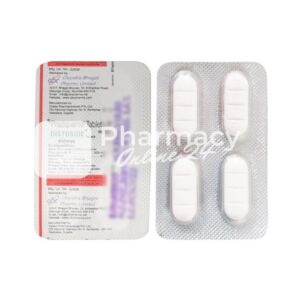
Praziquantel
from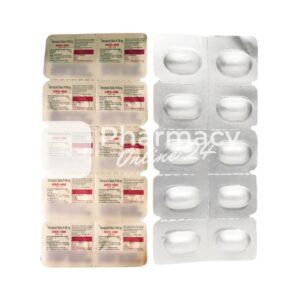
Albendazole
from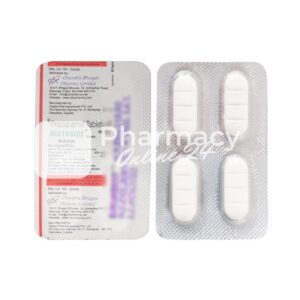
Biltricide
from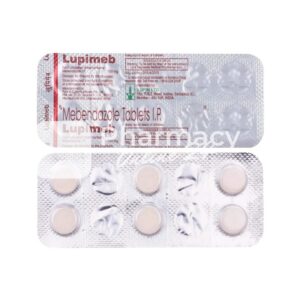
Mebendazole
from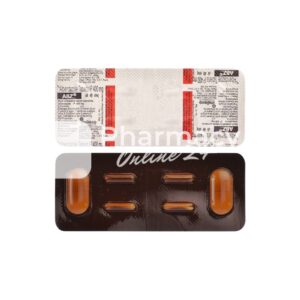
Zentel
fromUnderstanding Parasitic Infections
Parasitic infections affect millions of people worldwide and can occur in anyone, regardless of age or social status. These infections are caused by parasites – organisms that live on or inside a host organism and benefit at the host’s expense. Common parasites include roundworms, tapeworms, hookworms, and protozoa. Symptoms of parasitic infections vary widely depending on the type of parasite and the severity of the infection.
Many people experience digestive issues, fatigue, anaemia, and weight loss when infected with parasites. Some infections may cause more serious complications if left untreated, affecting nutrient absorption and overall health. Parasitic infections can be contracted through contaminated food and water, poor hygiene practices, or contact with infected individuals. In the United Kingdom, whilst parasitic infections are relatively less common than in tropical regions, they still occur and require prompt treatment.
Regular health check-ups and maintaining good hygiene practices are essential for prevention. Understanding the signs and symptoms of parasitic infections enables early detection and effective treatment, preventing serious health complications.
Roundworm and Hookworm Treatments
Roundworms and hookworms are among the most common parasitic infections. These nematode infections primarily affect the intestinal system and can lead to serious health complications if not treated promptly. Roundworm infections, particularly from Ascaris lumbricoides, can cause blockages in the intestines and malnutrition. Hookworms attach to the intestinal wall and feed on blood, potentially causing anaemia and protein deficiency.
In the United Kingdom, several effective medications are available for treating these infections:
- Mebendazole is one of the most commonly prescribed treatments, available as tablets or suspension. It works by preventing parasites from absorbing glucose, effectively starving them. The standard dose for adults is typically 100mg twice daily for three days.
- Albendazole is another popular choice, particularly effective against multiple types of worms. It’s usually taken as a single dose of 400mg, though some infections may require longer treatment periods.
- Pyrantel pamoate is another option available as an oral suspension, particularly suitable for children.
Both mebendazole and albendazole are available over-the-counter or on prescription at pharmacies across the UK. For hookworm infections specifically, mebendazole remains the first-line treatment, though albendazole is equally effective. Most treatments are well-tolerated with minimal side effects, though some people may experience mild gastrointestinal discomfort.
Tapeworm Treatments
Tapeworm infections, caused by Taenia species, occur when consuming undercooked meat containing tapeworm larvae. These parasites can grow extremely long within the intestines, sometimes reaching several metres in length. Symptoms include abdominal discomfort, digestive irregularities, and potential vitamin B12 deficiency. Some people may notice tapeworm segments in their stools.
Niclosamide is the primary treatment for tapeworm infections in the United Kingdom. This medication works directly on the tapeworm, causing it to dissolve within the intestines. The standard adult dose is 2g taken as a single dose on an empty stomach, followed by a laxative several hours later. Niclosamide is available as tablets and is generally very effective, with cure rates exceeding 95% in most cases.
Praziquantel is an alternative treatment that can be prescribed by doctors, particularly for certain types of tapeworm infections. It’s taken as a single dose of 5-10mg per kilogram of body weight. Both medications are effective but must be used correctly for optimal results. Following treatment, healthcare providers typically recommend stool tests to confirm complete elimination of the parasite. Dietary modifications and improved food hygiene are essential preventative measures.
Protozoan Infection Treatments
Protozoan parasites include organisms like Giardia lamblia and Entamoeba histolytica, which cause conditions such as giardiasis and amoebic dysentery. These single-celled parasites typically infect the intestinal system and can cause severe diarrhoea, abdominal cramping, and dehydration. Giardiasis is particularly common in areas with contaminated water supplies and can spread between individuals in close contact.
Metronidazole is the standard first-line treatment for giardiasis in the UK. This antibiotic medication is highly effective against Giardia parasites and is typically prescribed at 400mg three times daily for five to ten days. It’s available as tablets or liquid suspension, making it suitable for both adults and children. Metronidazole works by damaging the DNA of the parasite, effectively killing it.
Tinidazole is an alternative option, often preferred because it requires shorter treatment periods – typically a single 2g dose. For amoebic infections, metronidazole remains the primary choice, though paromomycin, an aminoglycoside antibiotic, may be used in certain cases. These medications are generally well-tolerated, though some people report a metallic taste in their mouth or mild nausea. Ensuring adequate hydration during treatment is important, particularly for individuals with severe diarrhoea.
Antimalarial and Antiprotozoal Agents
Beyond treating common intestinal parasites, antimalarial medications also serve as important antiprotozoal agents. Whilst malaria is not endemic in the United Kingdom, antimalarial medications are prescribed for travellers visiting tropical and subtropical regions. Chloroquine has been used historically for malaria prevention and treatment, though resistance has increased in many regions. Atovaquone-proguanil (Malarone) is now commonly recommended for UK travellers, offering excellent protection against most malaria parasites with minimal side effects.
Doxycycline is another popular choice for malaria prophylaxis, particularly effective in areas with chloroquine-resistant parasites. It must be started one or two days before travel and continued for four weeks after departure. Primaquine is occasionally used for certain malaria types and hypnozoite eradication. These medications are available on prescription and must be obtained before travelling. Mefloquine was previously commonly used but is now reserved for specific situations due to potential neuropsychiatric side effects. Travellers should consult with their healthcare provider or travel clinic at least four to six weeks before departure to determine the most appropriate antimalarial for their destination. Proper dosing and timing are crucial for effective protection.
Prevention and General Care Guidance
Preventing parasitic infections is significantly more effective than treating them after infection occurs. Good hygiene practices form the foundation of prevention, including thorough handwashing with soap and clean water, particularly before eating and after using the toilet. When travelling to areas with poor sanitation, drinking only bottled or boiled water and avoiding ice made from tap water is essential. Food should be thoroughly cooked, and raw vegetables should be avoided unless they can be peeled.
In the United Kingdom, maintaining clean living conditions and practising good food hygiene prevents most parasitic infections. Pets should receive regular antiparasitic treatments, as they can transmit parasites to humans. Ensuring children wash their hands regularly and keep their fingernails short reduces transmission risks. If parasitic infection is suspected, seeking medical advice promptly ensures appropriate diagnosis and treatment.
Blood tests, stool samples, or imaging studies may be required for diagnosis. Most parasitic infections in the UK respond well to appropriate treatment, with full recovery typically occurring within weeks. After completing treatment, follow-up testing confirms complete elimination of the parasite. Maintaining good nutrition supports the body’s recovery from parasitic infections, particularly for those who’ve experienced anaemia or malnutrition. Regular health check-ups help identify infections early, preventing complications and reducing transmission risks to others.