
Antiviral
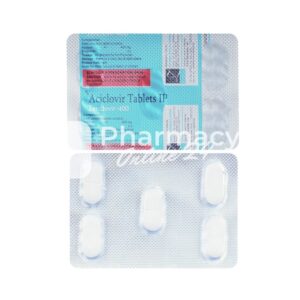
Aciclovir
from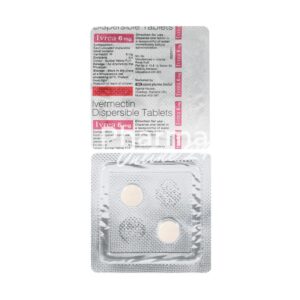
Ivermectin
from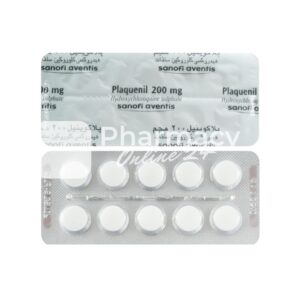
Plaquenil
from
Hydroxychloroquine
fromWhat Are Antivirals and How Do They Work?
Antiviral medications are prescription and over-the-counter drugs designed to treat viral infections by inhibiting the development and reproduction of viruses in your body. Unlike antibiotics that target bacteria, antivirals specifically target viral pathogens and work through various mechanisms including preventing viral entry into cells, blocking viral replication, and strengthening your immune system’s response. These medications can be taken orally as tablets or capsules, applied topically as creams, or administered intravenously in hospital settings. Understanding how antivirals function helps patients appreciate why early treatment is crucial for better outcomes. Most antivirals work best when taken at the first sign of symptoms, as they prevent viruses from multiplying rapidly throughout your system.
Common Viral Infections Treated with Antivirals
Influenza and Colds
Seasonal influenza remains one of the most common viral infections affecting millions of people across the United Kingdom annually. Antiviral medications like oseltamivir, commonly known as Tamiflu, can reduce symptom duration by one or two days if taken within 48 hours of symptom onset. These medications are particularly beneficial for elderly patients and those with weakened immune systems. Zanamivir is another popular option available as an inhalation powder, offering an alternative for patients who prefer not to take tablets.
Herpes Simplex Virus
Herpes simplex virus infections, including cold sores and genital herpes, respond well to antiviral treatment. Aciclovir remains the most widely prescribed medication for HSV infections in the UK and is available in multiple forms including tablets, cream, and injection. Valaciclovir is a newer option that offers improved bioavailability and requires less frequent dosing, making it more convenient for patients.
Respiratory Syncytial Virus and Other Conditions
Various other viral infections including respiratory syncytial virus, chickenpox, and shingles can be effectively managed with appropriate antiviral medications prescribed by healthcare professionals.
Available Antiviral Medications in the United Kingdom
Oral Antivirals
The most commonly prescribed oral antivirals in UK pharmacies include aciclovir tablets for herpes infections, oseltamivir for influenza, and valaciclovir for various herpesvirus infections. These medications are available through NHS prescriptions and private pharmacies. Famciclovir represents another option for herpes zoster and genital herpes treatment, offering convenient twice-daily dosing schedules. Ribavirin, though less commonly used, remains available for severe viral respiratory infections in hospital settings.
Topical Antiviral Treatments
Aciclovir cream is widely available over-the-counter at UK pharmacies for treating cold sores and minor herpes simplex lesions. Penciclovir cream provides similar benefits with potentially faster healing times. These topical preparations are accessible without prescription and offer convenient self-treatment options for minor viral skin infections.
Injectable Antivirals
Hospital and specialist clinics stock injectable antiviral medications for severe infections or immunocompromised patients. These include intravenous aciclovir and foscarnet for serious viral infections requiring intensive treatment.
Antiviral Use for Different Patient Groups
Adults and Working-Age Patients
Adults experiencing influenza or herpes outbreaks can benefit significantly from antiviral therapy. Oseltamivir treatment in adults can reduce hospital admission risk, particularly important for those in high-risk professions or with underlying health conditions. Many working adults prefer convenient treatment options, making oral medications and topical creams particularly popular choices.
Elderly and Vulnerable Populations
Older adults and immunocompromised individuals face greater risks from viral infections and typically receive priority for antiviral treatment. Healthcare providers often prescribe these medications more readily for vulnerable populations, as the benefits substantially outweigh potential risks. Early intervention in elderly patients can prevent serious complications and hospitalisation.
Pregnant Women and Children
Treatment approaches differ significantly for pregnant women and children. Healthcare professionals carefully evaluate the risks and benefits of antiviral therapy in these groups. Some medications like aciclovir have strong safety records in pregnancy, whilst others require careful consideration before prescribing.
When to Seek Antiviral Treatment and Prevention
Recognising Symptoms
Early recognition of viral infection symptoms is crucial for effective antiviral treatment. Influenza typically presents with sudden onset of fever, muscle aches, fatigue, and respiratory symptoms. Herpes infections usually cause characteristic blisters and localised pain. Chickenpox presents with widespread blistering rash and fever. Contacting your GP or pharmacist at the first sign of these symptoms enables timely treatment initiation.
Prevention Strategies
Whilst antivirals treat existing infections, prevention remains paramount. Consider implementing these key preventative measures:
- Annual influenza vaccinations provide significant protection against seasonal flu strains
- Regular handwashing and maintaining good hygiene reduce transmission risk
- Avoiding close contact with infected individuals minimises exposure
- Prophylactic antiviral therapy for patients with recurrent herpes infections
Post-Exposure Treatment
In certain circumstances, healthcare providers may recommend antiviral medication following exposure to serious viral infections. This preventative approach can be particularly valuable for healthcare workers, family members of infected individuals, and immunocompromised patients.
Obtaining Antivirals and Pharmacy Support
Getting Prescriptions in the UK
Most antiviral medications require prescription from your GP, nurse practitioner, or sexual health clinic. The NHS provides these medications free on prescription, though private prescriptions are also available through private healthcare providers. Some topical antivirals like aciclovir cream are available over-the-counter without prescription at UK pharmacies.
Pharmacy Services
Your local pharmacy provides essential support for antiviral therapy. Pharmacists can advise on medication use, potential side effects, and drug interactions with other medicines. Many pharmacies now offer minor illness services where trained pharmacists can recommend appropriate treatments for viral infections without requiring GP appointments. Community pharmacies stock most common antivirals and can discuss storage requirements, dosage schedules, and when to seek medical attention if symptoms worsen.
Cost Considerations
NHS prescriptions charged at the standard rate apply to most antiviral medications. Patients eligible for free prescriptions receive antivirals without charge. Private options exist for those preferring private prescriptions, though costs vary considerably between providers and medication types.