
Diabetes
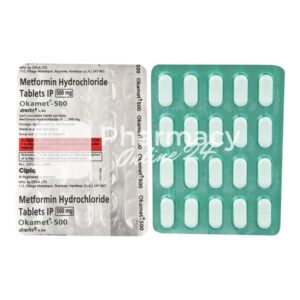
Metformin
from
Glucovance
from
Glucobay
from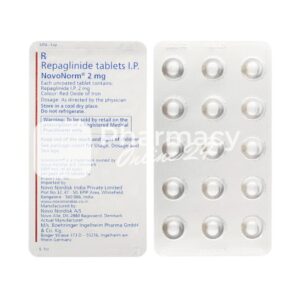
Novonorm
from
Glucophage Sr
fromUnderstanding Diabetes: Types and Symptoms
Diabetes is a long-term condition affecting how your body regulates blood sugar levels. There are several types of diabetes, each with different causes and management approaches.
Type 1 Diabetes
Type 1 Diabetes occurs when your pancreas cannot produce insulin, the hormone needed to control blood sugar. This type usually develops in children and young adults, though it can appear at any age. Symptoms include excessive thirst, frequent urination, fatigue, and unexplained weight loss. Early diagnosis and immediate treatment are essential to manage this condition effectively.
Type 2 Diabetes
Type 2 Diabetes is the most common form, accounting for around 90% of cases. It develops when your body cannot use insulin effectively. Risk factors include obesity, sedentary lifestyle, and family history. Many people with Type 2 Diabetes experience no symptoms initially, which is why regular health checks are so important.
Gestational Diabetes
Gestational Diabetes affects pregnant women and usually resolves after childbirth, though it increases the risk of developing Type 2 Diabetes later in life. Screening during pregnancy helps identify and manage this condition.
Common Symptoms
Common symptoms across diabetes types include blurred vision, slow-healing cuts, tingling in feet, and increased hunger. Early detection through regular health checks is crucial for managing the condition effectively and preventing complications. If you experience any of these symptoms, contact your GP for assessment.
Oral Medications for Type 2 Diabetes
Oral medications form the first line of treatment for most people with Type 2 Diabetes. These medications work in various ways to help control blood sugar levels, and your pharmacist can explain how each works.
Metformin
Metformin is typically the first medication prescribed. It reduces the amount of glucose your liver produces and helps your body use insulin more effectively. Available as immediate-release and extended-release tablets, metformin is usually well tolerated with minimal side effects. Most people take this medication long-term as part of their diabetes management plan.
Other Oral Medications
Several other medication classes are available depending on your individual needs:
- Sulfonylureas such as gliclazide and glipizide stimulate your pancreas to release more insulin. These medications work quickly but carry a small risk of low blood sugar episodes.
- DPP-4 Inhibitors like sitagliptin help your body produce more insulin when blood sugar is high. They have a good safety profile and rarely cause low blood sugar when used alone.
- SGLT2 Inhibitors including empagliflozin work by helping your kidneys remove excess glucose through urine. These medications also offer cardiovascular and weight-loss benefits.
- GLP-1 Agonists such as dulaglutide slow digestion and help regulate blood sugar. They often result in modest weight loss and are increasingly used as second-line treatments.
Your pharmacist can explain how each medication works and help you understand potential side effects specific to your situation. Always take medications exactly as prescribed for best results.
Insulin Therapy and Injectable Treatments
When oral medications cannot adequately control blood sugar, insulin therapy becomes necessary. Insulin comes in several forms, each with different onset times and durations of action.
Types of Insulin
Rapid-acting insulins like insulin aspart begin working within minutes and are used at mealtimes to provide quick coverage for food intake. Long-acting insulins such as insulin glargine provide steady background insulin coverage throughout the day and night, typically injected once daily. Intermediate-acting insulins offer a middle ground, working over several hours, though they’re less commonly used now due to better alternatives.
Administration Methods
Insulin pens and pumps make administration convenient. Pens are portable and easy to use, whilst pumps deliver continuous insulin throughout the day for those requiring more intensive management. Your healthcare team will determine the right insulin regimen based on your blood sugar patterns and lifestyle.
Injectable GLP-1 Treatments
GLP-1 receptor agonists like semaglutide are injectable medications that help control blood sugar and support weight management. These are increasingly prescribed alongside or instead of insulin. Regular monitoring helps ensure your treatment remains effective and adjustments can be made if needed.
Blood Sugar Monitoring and Testing Supplies
Proper blood sugar monitoring is essential for managing diabetes effectively. Various testing methods and supplies are available to help you track your levels and understand your condition better.
Monitoring Equipment
Blood glucose meters allow you to check your blood sugar at home using a small blood sample from your fingertip. Modern metres provide results in seconds and require minimal blood. Test strips compatible with your metre are essential consumables. Different brands offer varying strip costs, so discussing options with your pharmacist helps find affordable solutions.
Continuous glucose monitors (CGMs) offer real-time blood sugar readings throughout the day. Sensors worn on your skin transmit data to a reader or smartphone, making it easier to identify patterns and adjust your management accordingly.
Testing Supplies
Several supplies support regular monitoring:
- Lancets are small needles used to prick your finger for blood samples. They come in different gauges to minimise discomfort.
- Ketone testing supplies help people with Type 1 Diabetes detect dangerous ketone levels, which are important for preventing diabetic ketoacidosis.
- Test strip carriers and sharps bins help you manage supplies safely.
- Alcohol wipes and cotton wool support hygiene during testing.
Regular testing allows you to understand how food, activity, and stress affect your blood sugar. Your pharmacist can recommend products suited to your needs and budget, ensuring you have everything required for effective management.
Managing Diabetes Complications and Prevention
Diabetes can affect various body systems if blood sugar remains poorly controlled. Understanding potential complications helps motivate proper management and encourages adherence to treatment plans.
Potential Complications
Heart disease and stroke are leading complications, as high blood sugar damages blood vessels. Managing blood pressure and cholesterol is crucial alongside glucose control. Kidney disease develops gradually through diabetes-related damage, requiring regular kidney function tests and medications like ACE inhibitors for protection.
Eye problems including cataracts and retinopathy require annual eye examinations, as early detection often prevents vision loss. Nerve damage (neuropathy) causes pain, numbness, or tingling, particularly in feet. Proper footcare and glucose management help prevent progression.
Foot complications can become serious if neglected. Daily foot inspection, proper footwear, and prompt treatment of cuts or blisters are essential prevention strategies.
Prevention Strategies
Maintaining healthy weight, regular physical activity, balanced nutrition, stress management, and consistent medication use form the foundation of complication prevention. Your pharmacist can provide guidance on lifestyle modifications and connect you with support services in your local area.
Lifestyle Management and Professional Support
Successful diabetes management combines medication with lifestyle changes. Your pharmacist plays a vital role in supporting your overall health and wellbeing.
Key Lifestyle Areas
Nutrition forms a cornerstone of diabetes management. Working with a dietitian helps you understand carbohydrate counting, portion sizes, and food choices that keep blood sugar stable. Your pharmacist can recommend reputable nutrition resources and local services.
Physical activity improves insulin sensitivity and helps maintain healthy weight. Aim for at least 150 minutes of moderate activity weekly, adjusted to your fitness level and capabilities. Even short walks provide benefits.
Weight management significantly improves Type 2 Diabetes control. Even modest weight loss reduces medication requirements and complications risk, making it worth pursuing alongside other strategies.
Stress reduction matters because stress hormones increase blood sugar. Techniques like meditation, yoga, or counselling support emotional wellbeing and overall health.
Professional Support
Regular health checks including HbA1c tests, blood pressure monitoring, and cholesterol checks help track your progress and identify emerging problems early. Support networks including healthcare professionals, support groups, and family involvement improve outcomes significantly.
Your community pharmacy offers accessible advice and encouragement. Your pharmacist is your local healthcare expert, available to discuss medication concerns, review your treatment plan, and recommend lifestyle strategies. Building a strong relationship with your pharmacy team provides ongoing support for managing diabetes successfully. Regular visits to discuss your condition, medications, and any concerns ensure you receive personalised care tailored to your needs.